A new Miami hospital CEO will make $1.32 million. How does that compare to others?

David Zambrana is one step closer to his first official day as CEO of Miami-Dade’s public hospital system.
The Public Health Trust, the governing body of Jackson Health System, last month unanimously approved a three-year, $1.32 million CEO contract for the 55-year-old Zambrana as he prepares to lead one of the largest public health systems in the nation.
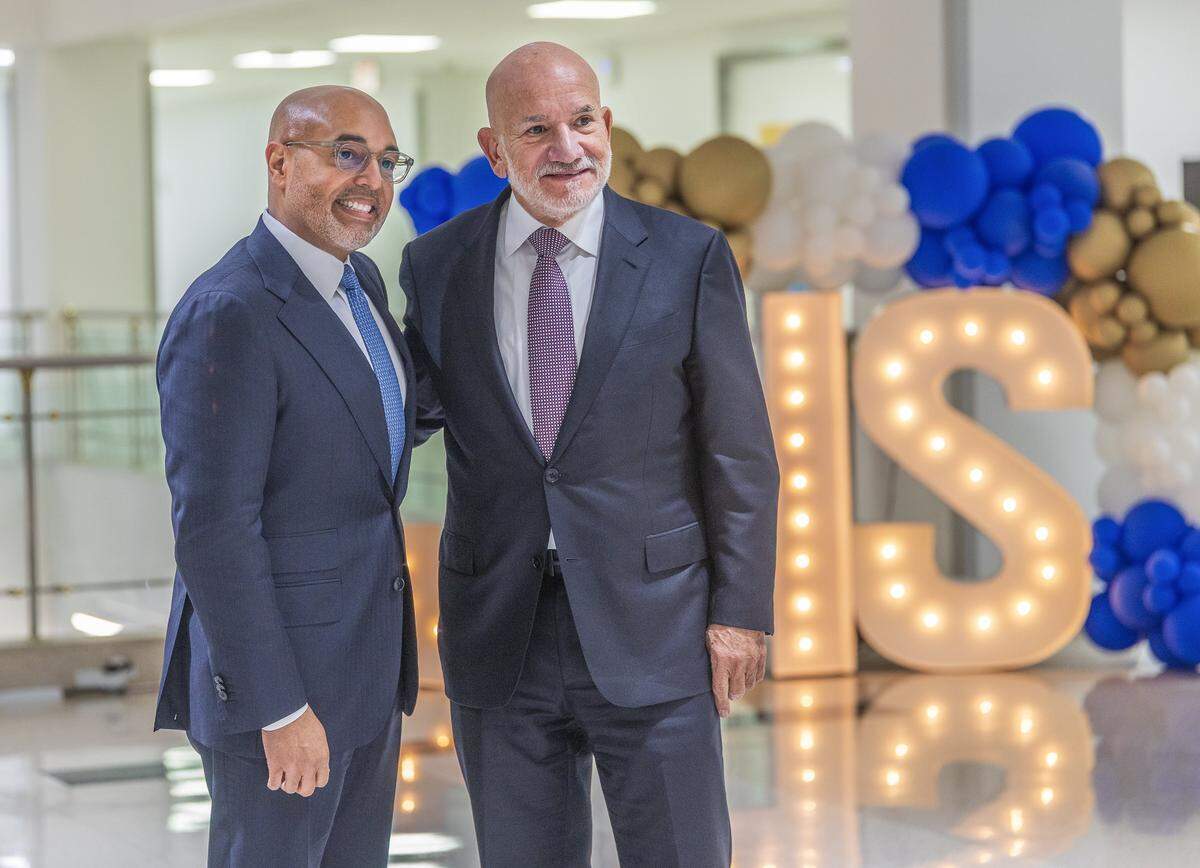
Zambrana, who is currently Jackson’s president and chief operating officer, will take over the reins June 1 from mentor Carlos Migoya, who is retiring as CEO after nearly 15 years of leading the taxpayer-funded hospital system. The 75-year-old Migoya will remain in an advisory role for Zambrana, whom he’s described as the “most prepared leader” in Jackson’s history.
The CEO role comes with a 15% base salary increase, a big pay raise for Zambrana, who currently makes a base salary of $1.14 million, not counting bonuses and other benefits. As CEO, Zambrana will have a base salary of $1.32 million but can expect to earn about $1.42 million in his first year, including benefits but excluding any performance bonuses tied to the health system’s goals and financial performance, according to the contract obtained by the Miami Herald through a public record request.
It’s less than what Migoya and other South Florida health executives make, but still more than mayors, city managers, police chiefs and school superintendents. Migoya currently makes a base salary of $1.44 million a year, with a total compensation of at least $1.78 million.
The pay raise follows the recommendations made to the Public Health Trust by Gallagher, an independent firm Jackson hired to compare CEO pay levels across health systems similar in size and complexity to Jackson. The paycheck, like for all Jackson employees, is accounted for in the hospital system’s operating budget, which comes from patient revenue, taxes and philanthropy.
Gallagher said a base salary of $1.32 million “would be considered a competitive salary level for a brand-new CEO.” It’s about 4% below the median of public health systems and 20% below the “blended market median,” which includes a mixture of academic, public and not-for-profit health systems, according to Gallagher.
As Miami-Dade’s safety-net hospital system, Jackson provides care to everyone, even if they can’t pay and don’t have health insurance. The health system has seven hospitals, two nursing homes, a renowned transplant center, and several urgent cares, doctors’ offices and clinics across Miami-Dade, with more than 14,900 full-time employees. It serves as a teaching hospital through a partnership with the University of Miami Miller School of Medicine and recently opened one of the largest emergency rooms in the nation.
The seven-member Public Health Trust board opted to skip a national search for one of the highest-paid jobs in the county and unanimously appointed Zambrana as Jackson’s future CEO earlier this year, praising him for his years of work and dedication.
Amadeo Lopez-Castro III, chair of the Public Health Trust, told the Miami Herald after last week’s vote that while he believes Zambrana is the right person for the job, he felt it was important to conduct a CEO pay study, for the good of the hospital, the county and Zambrana.
“It’s very difficult to compare our public hospital to any other hospital,” Lopez-Castro said, noting that the hiring of Jackson’s CEO is “the most important decision that our board takes on.”
How does the new CEO’s salary compare to other South Florida hospital executives?
Data shows that while Jackson’s CEO base pay is similar to other South Florida hospital CEOs, Zambrana’s total compensation — salary combined with benefits that will bring him to at least $1.42 million — is generally less than other hospital leaders.
That’s not unusual. Nonprofit hospitals and private for-profit hospital systems typically pay their top executives more than taxpayer-funded public hospital systems like Jackson. Tax documents give an idea of how much money they make.
Zambrana’s base salary and total compensation is less than that of Shane Strum, who oversees Broward’s two public hospital systems and is the only other public hospital CEO in South Florida. Strum, who was given a 3% merit increase in October, now makes a base salary of $1.64 million as the CEO of Broward Health. His total compensation last year — made up of base salary, performance incentives and other compensation — was about $2.43 million, according to the hospital’s general counsel’s office. He receives an annual salary of a dollar from Memorial.
Both make less than other South Florida executives who run not-for-profit health systems, including Baptist Health South Florida, Mount Sinai Medical Center in Miami Beach and the University of Miami Health System.
Albert “Bo” Boulenger, the president and CEO of Baptist Health South Florida, for example, received a total compensation of about $4.19 million for the 2023 fiscal year, which ran from October 2023 through September 2024, according to the most recently filed tax documents with the IRS. Baptist is the largest not-for-profit hospital system in the region and is the teaching hospital of Florida International University.
The Herald wasn’t able to verify how much Dr. Dipen Parekh makes as CEO of the private University of Miami Health System, a position the surgeon has held since last summer. But he likely makes much more than Zambrana based on how much his total compensation was as UHealth’s chief operating officer in the most recent tax filings available with the IRS for the 2023 fiscal year, which ran from May 2023 through May 2024. At the time, Parekh’s total compensation for COO was about $4.05 million, slightly less than the $4.28 million Joseph Echevarria, the current president of the University of Miami, brought in when he was serving as both UM’s president and UHealth CEO.
What’s in Zambrana’s contract?
Zambrana’s three-year contract runs from June 1, 2026, through May 31, 2029, with the option to renew it for two additional years.
His base annual salary will be $1.32 million, about $120,000 less than Migoya’s current salary.
In June 2027, he’ll receive an annual merit adjustment of 5%, bringing his base salary to about $1.38 million, with the possibility of earning an additional 2.5% if The Public Health Trust gives him at least an average evaluation rating of 3.5 or above out of 4, according to the contract. That could put his base salary at $1.42 million.
He’ll also be eligible for an annual performance bonus up to 50% of his base salary if Jackson exceeds $1 million in profits, excluding capital contributions and donations, in the audited financial statements for the applicable fiscal year, according to his contract. He’ll earn even more if Jackson’s profits were to exceed $10 million, in which case he would be eligible for an additional $50,000.
The health system says its net income — total profit after expenses, taxes and other deductions — varies year over year, ranging “from $7.9M to $41.4M last year — reflecting the volatility inherent in operating Jackson, which is subject to funding fluctuations, Medicaid policy changes, and extraordinary capital demands.”
Gallagher, the firm that did the salary analysis, alluded to the differences between Migoya and Zambrana in its report. Migoya was a retired banker who had no prior healthcare experience and was hired to turn the financially struggling Jackson around. Zambrana, on the other hand, is a health executive who began his career more than 30 years ago as a nurse at Jackson and was prepared by Migoya to be his successor.
The job
Zambrana will be taking over a health system that generates about $3.1 billion in operating expenses at a time when Jackson is preparing for the fallout of possible property tax cuts. Jackson, like other health systems across the country, is facing financial pressures from higher costs and lower reimbursement rates while also grappling with physician and nurse shortages, a rise in healthcare-related cybersecurity threats and higher demand for care in an aging Miami-Dade population.
Zambrana said finding ways to improve patient care is on his mind.
“I’ve been firsthand involved in the growth, in the improvements, in the expansion of services we’ve had to date, so you can count on me to continue that work and be clear about our mission to this community,” Zambrana said.
The soon-to-be CEO said he wants to focus on continuing to improve outcomes and the patient experience across the health system. He also wants to zero in on Jackson’s outpatient services, bringing care closer to home, a strategy Jackson and other health systems are using to get more patients while also improving access to care in underserved areas.