Son hopes dad’s legal win in Miami spares cancer patients from fighting insurers
Pablo Langesfeld faced off against a health giant — and won.
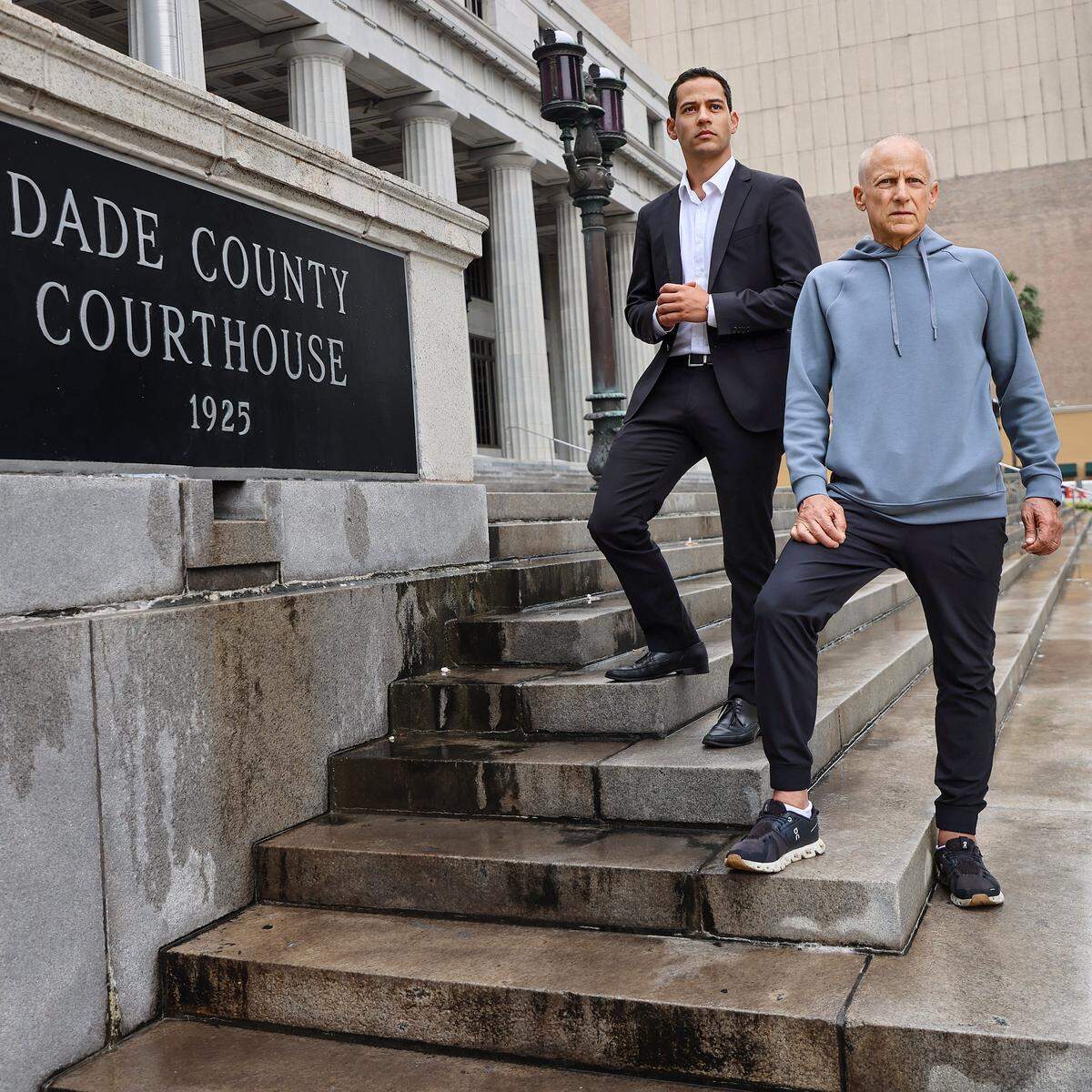
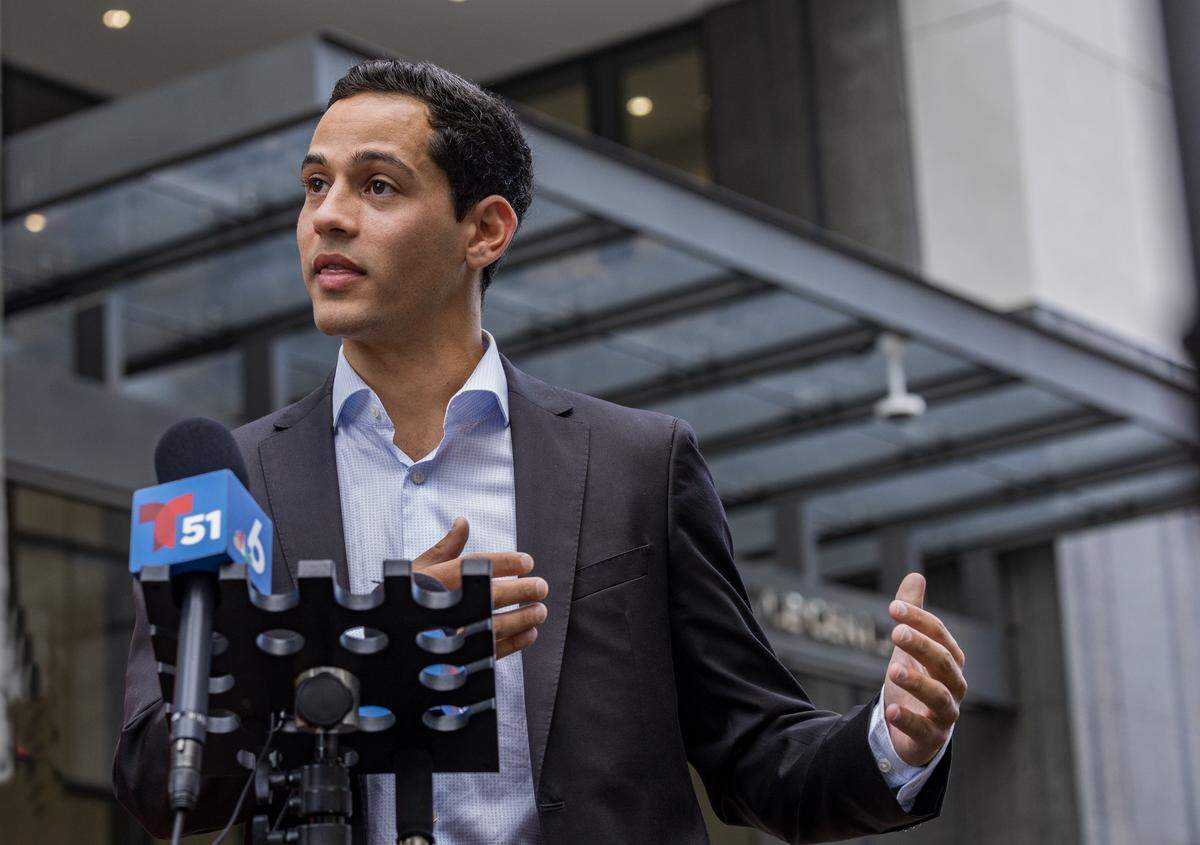
“This was an extremely intense and painful battle,” Pablo’s son, Martin Langesfeld, told a group of reporters Friday outside the Osvaldo N. Soto Miami-Dade Justice Center in Miami.
“No sick person in the hardest moment of their life should have to stand and fight in a courtroom with lawyers for their life,” he added, describing the country’s healthcare and health-insurance systems as “flawed” and in need of change.
The news conference comes a day after Miami-Dade Circuit Judge Migna Sanchez-Llorens ordered Oscar Health Insurance to authorize and pay for Langesfeld’s recurring $48,500 oral medication to treat his advanced pancreatic cancer. Oscar Health has up to 30 days to file an appeal.
READ MORE: Miami judge sides with cancer patient, orders insurer to cover pricey treatment
Oscar Health and its attorneys have not responded to an email that the Miami Herald sent Thursday asking for comments.
“This is not just about me, it’s about helping other people being able to get treatment,” Pablo Langesfeld told the Miami Herald in a statement Friday.
The dispute began in December, when Langesfeld’s in-network doctor prescribed him Avmapki Fakzynja Co Pack, an oral medication that has shown promising trial results in patients with metastatic pancreatic cancer, “due to failed chemotherapy interventions” against his Stage 4 pancreatic cancer. The drug therapy is approved by the U.S. Food and Drug Administration to be used for ovarian-cancer treatment and was granted an “orphan drug” designation in 2024 to encourage research and testing against pancreatic cancer, the third-leading cause of cancer-related death in the country.
Doctors sometimes use a combination of drugs during cancer treatment, including drugs that are not approved for the type of cancer being treated, according to the National Cancer Institute. That’s because “many cancer drugs are effective against more than one type of cancer,” and the FDA “usually does not approve combinations of chemotherapy” because of how many possible combinations there are.
Even so, patients like Langesfeld sometimes find their treatments denied by health insurers. In Langesfeld’s case, Oscar Health repeatedly declined to cover the costly cancer-fighting drug therapy, arguing that the prescribed drug was not medically necessary or federally approved to treat his type of cancer.
Langesfeld, who has become known across South Florida for his family’s memorial efforts to remember his daughter, son-in-law and other victims of the Surfside building collapse, wasn’t ready to give up without a fight. He took the insurer to court, with his attorneys arguing that Oscar Health was violating its own policies.
On Thursday, the judge gave her verdict, describing parts of Oscar Health’s policies, including their definition of “medically necessary,” as ambiguous, noting that Florida law requires ambiguous insurance contracts to be interpreted in favor of the customer.
The judge’s decision comes several weeks after the jury ruled in favor of Langesfeld, answering “yes” on four out of five questions related to whether the prescribed drug therapy is appropriate to treat his aggressive cancer.
Maria T. Santi, one of Langesfeld’s attorneys, said this week’s verdict could help other patients in similar situations get the treatment they need, noting that preauthorization denials have also increased during the past several years. It’s a problem that she’s hoping legislators will fix so patients like Langesfeld aren’t locked out of potentially life-saving treatment options or dragged into lengthy legal battles.
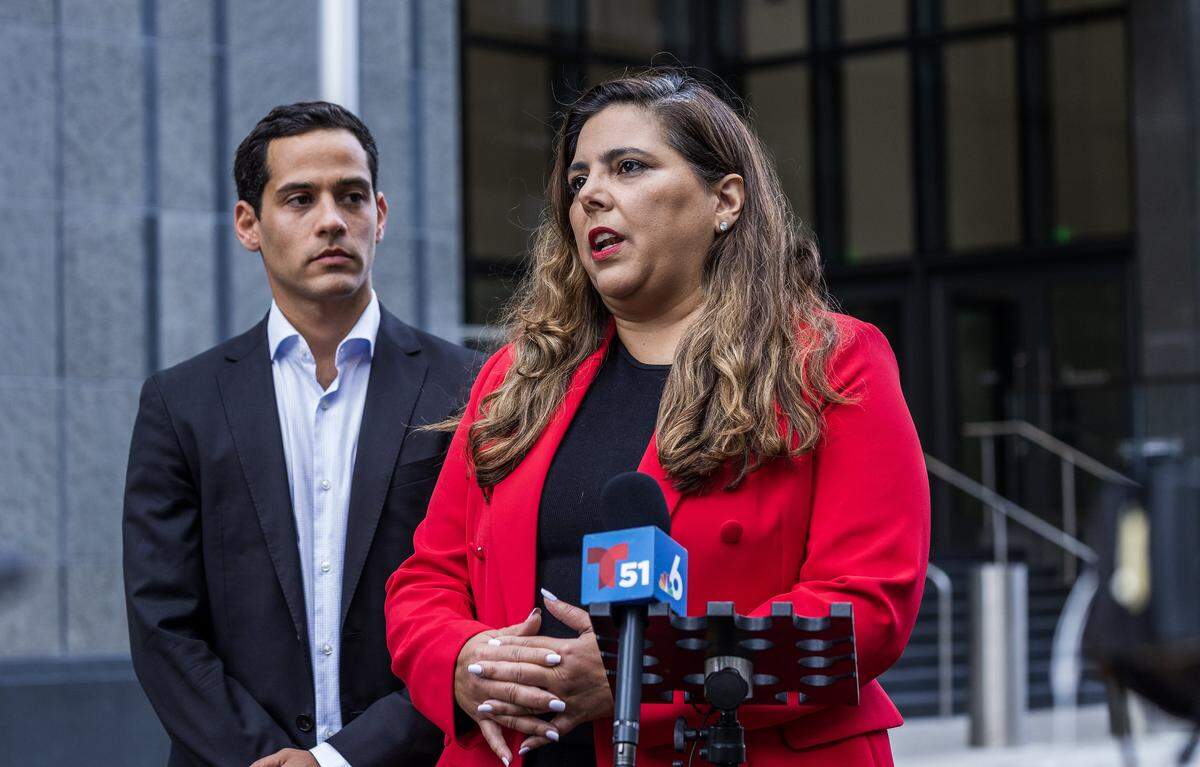
“It’s not right that a health insurance company is acting like a doctor” and is determining what a patient does and does not need when that’s the job of the doctor, Santi said.
Some changes might be on the horizon. Dozens of major health insurers, including Cigna, Aetna and United Healthcare, last year pledged to make fewer medical procedures require pre-authorization and to speed up the review process. Langesfeld’s son says more needs to be done.
“My advice for families that are in similar situations, because this is a very common issue, is once an insurance company denies you two or three times, that’s not the end,” Martin Langesfeld said in response to a Miami Herald question.
“If you are in a situation like we were, fight it, fight it because you can,” he said.
This story was originally published April 24, 2026 at 8:11 PM.