
A skin condition was a Miami woman’s greatest pain — now, it’s her superpower
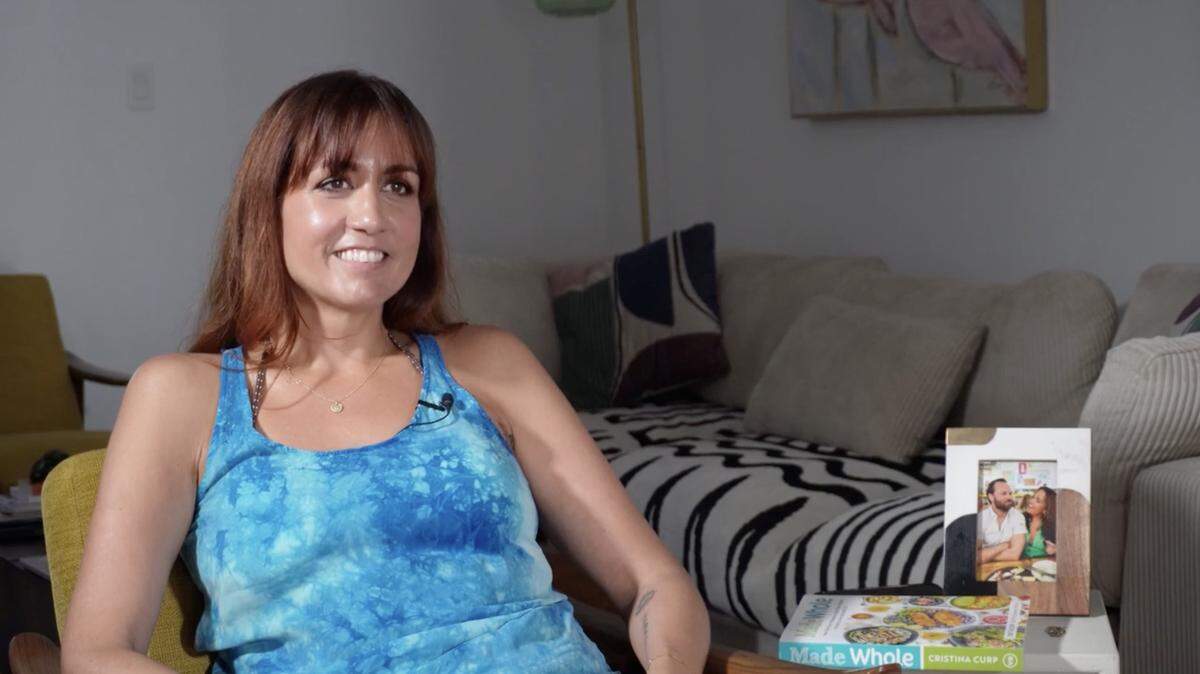
When Cristina Curp was 13, her dermatologist said she needed to practice better hygiene and lose weight to get rid of the painful, marble-sized bumps on her bikini line.
The comment filled her with shame.
“I was compared to my sister all the time who was super skinny,” Curp said. “Then to be told I had to wash better so that I didn’t get what I thought were boils?”
But the lumps weren’t caused by poor hygiene or weight.
They were symptoms of hidradenitis suppurativa, a chronic inflammatory skin condition characterized by recurring abscesses, draining wounds and scarring on hair follicles, particularly on skin folds, such as under breasts, armpits, inner thighs and buttocks.
Today, the 40-year-old Miamian is using her experience to educate thousands on the condition. She is the chief operating officer of HS Connect — a nonprofit where she leads support groups and organizes events to spread awareness.
Curp is also cultivating spaces for community and advocacy on her TikTok and Instagram. There, she shares tips on how to manage HS through nutrition with her more than 189,000 and 12,600 followers, respectively.
“There’s no shame on anyone in the way that she talks about nutrition,” said HS Connect founder Brindley Brooks. “For the HS community, that is obviously very different and difficult, because those conversations a lot of times come across as demeaning and demoralizing.”
According to the Global Hidradenitis Suppurativa Atlas, roughly 1% of the world’s population suffers from HS, or about one in 100 people. That’s similar to the number who have rheumatoid arthritis.
Yet, due to the lack of research and awareness, patients often go seven to 10 years before being diagnosed, said Dr. Hadar Avihai Lev-Tov, a dermatologist and assistant professor at the University of Miami who has been treating patients with HS for more than a decade.
That ignorance has fueled misconceptions, including that the condition is contagious, sexually transmitted and caused by uncleanliness, which shames and prevents patients from seeking help.
Although there is no cure, doctors prescribe antibiotics and topical steroids to reduce swelling and pain.
“We don’t have one single cause, so it’s very difficult to find one single treatment that will take it away,” Lev-Tov said.
Growing up, Curp wrestled with fatigue and aches, not only on her skin, but also in her joints.
“Anything that rubs on it feels like you’re being stabbed by a thousand needles,” Curp said.
She frequently experienced side effects from long-term antibiotic usage.
Her mom, Ana Rabel, remembers watching Curp battle the condition.
“Seeing your child in pain is one of the worst things that can happen to any mother, especially when you cannot help her,” Rabel said. “It was extremely frustrating.”
Curp’s HS was isolating. She often turned down invites to pool parties and beach days. Sometimes she wore shorts or T-shirts over her bathing suit to hide her wounds.
When she was 14, Curp started numbing her pain with alcohol. During her college years, she eventually began using drugs while partying in Miami’s club scene.
“I was just like, ‘I don’t want to pay attention, I don’t want to feel what’s happening to my body,’” she said. “I was very much on autopilot.”
Curp stuck to casual relationships; they were a source of self-validation. She was only intimate with people while she was under the influence and in the dark, to ensure nobody saw her scars.
That changed when she was 25. She met her husband, Justin, at The Vagabond, a now-closed alternative club in downtown Miami. The couple was married for 12 years.
When she was 26, Curp became pregnant with her son Jack. For many people, pregnancy can calm HS symptoms, but hers intensified.
Two days before labor, she underwent an incision and drainage procedure to alleviate the pain from a golf ball-sized abscess on her armpit.
Breastfeeding caused her to develop abscesses as big as a quarter under her breasts, and sleepless nights severely depleted her energy. She also became anemic.
“Postpartum was brutal,” she recalled.
In 2015, she discovered a path toward healing through food bloggers with chronic autoimmune illnesses, such as psoriasis and Hashimoto’s disease.
Using her background as a chef, she launched a blog called The Castaway Kitchen, where she chronicled her meals, shared recipes and eventually talked about her HS journey.
Rather than focusing on losing weight, Curp dedicated herself to reducing inflammation in her body and healing her gut. She cut processed sugars and gluten from her diet and began consuming more protein and anti-inflammatory foods, including sauerkraut and bone broth.
Six months into her blog, her wounds were healing faster and hurting less.
“It was crazy to see my inner thighs go from red, angry and swollen to just scars,” Curp recalled. “I was singing it from the rooftops on my platform, saying, ‘This is amazing.’”
After two years, she no longer had HS flares, and her blog, as well as her Instagram, had become a haven for people with chronic illness to seek advice and share their stories.
Parish Armstead, a patient advocate for HS Connect who’s had HS symptoms since he was 5, says Curp’s content has helped him make dietary changes to reduce his flares.
“The thing that Cristina says that sticks with me is, ‘more fiber, more protein, less sugar,’” he said. “Stick with that, and you have a solid foundation.”
The same scars that once isolated Curp were now her superpower. So she decided to get tattoos over them, ranging from lemons and berries on her bikini line to mandalas under her armpits.
“I wanted to turn the scars into something beautiful,” she said.
In 2018, Curp started an 18-month program to become a nutritionist. She also published her first cookbook, “Made Whole,” followed by “Made Whole Made Simple” two years later. Her recipes focus on whole-body wellness, including improving blood sugar, digestion, hydration, metabolism and fatty acid balance.
After selling her blog in 2023, Curp shifted her advocacy and nutritional content to social media, and in 2024 she joined HS Connect, launching a mentee program to train the next generation of advocates.
She currently leads a cohort of 44 students, helping them understand medical jargon, chronic illness legislation and how to share their stories. Curp also oversees the organization’s Spanish, nutrition and women support groups.
The HS trailblazer hopes platforms like her Instagram continue to thrive so patients can feel empowered to take action in their lives.
“People need that community for mental health support and for medical advocacy,” she said.
This story is the result of a partnership between Florida International University’s Lee Caplin School of Journalism and Media and the Miami Herald.
This story was originally published April 23, 2026 at 12:31 PM.
CORRECTION: This story has been updated to correct the name of Curp’s son.