New medical school to open in South Miami-Dade. How it will impact jobs and care
Larkin University plans to open a new college of osteopathic medicine in South Miami-Dade that it says will bring jobs to the area and improve access to care as the state faces a growing doctor shortage.
“South Florida currently is facing a significant and worsening physician shortage, particularly in primary care and in underserved communities,” Rudi Ettrich, the president and CEO of Larkin University, told the Miami Herald in a phone interview, explaining that the college’s goal is to encourage medical students to stay and work in the region.
The state is projected to be short nearly 18,000 physicians by 2035, making it difficult to meet the care demands of a rapidly aging population. Everyone who is part of the baby-boom generation will be 65 or older by the year 2030.
“Our population is growing rapidly, and it’s aging, which increases health care demand significantly,” Ettrich said, describing the university’s decision to open a new college as part of its mission “to be part of the solution — training physicians where they are most needed and where they are most likely to stay.”
Osteopathic doctors specialize in primary or specialty care and are also trained to understand how social and economic factors can impact a person’s health as they age. That includes housing, food insecurity, access to education, job security, and access to health insurance and medical care.
At the college, students will be taught to treat “the whole person, not just the disease” with a “very strong emphasis on prevention, primary care and serving communities where access to care is most needed,” Ettrich said.
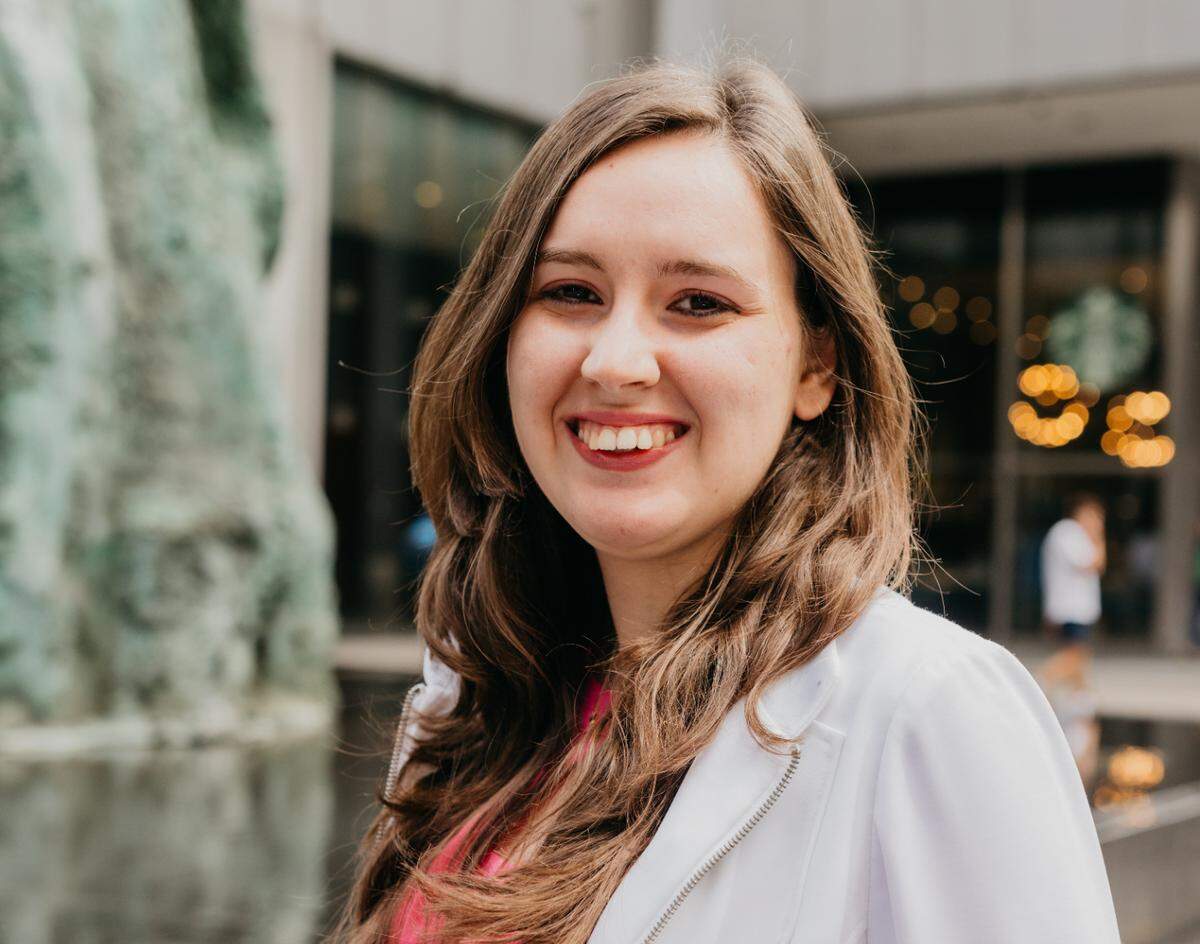
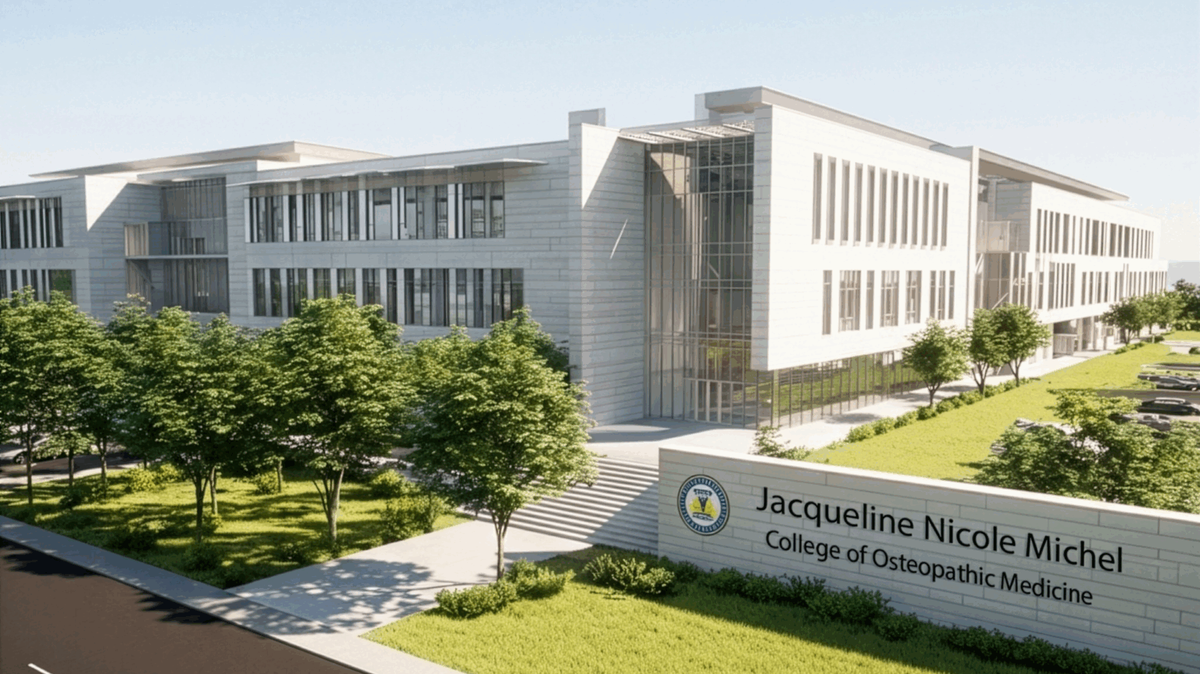
The proposed 110,000-square-foot college at Southwest 145th Avenue and 276th Street in the Naranja area will be named after Jacqueline Nicole Michel, the late 18-year-old daughter of the university’s chair and founder Dr. Jack J. Michel, who is also the founder of Larkin Health System. Jacqueline died in a car crash on Oct. 25 while on her way to the University of Central Florida in Orlando, where she was pursuing a degree in pre-veterinary medicine.
“The establishment of the Jacqueline Nicole Michel College of Osteopathic Medicine reflects our deep commitment to serving South Florida’s healthcare needs while honoring a legacy rooted in compassion, service, and love for humanity,” Jack J. Michel said in a statement. “Jacqueline believed deeply in caring for others — especially those most in need — and it is our hope that every physician educated here will carry forward those values throughout their careers.”
.png "IMG_2719 (1).png")
Ettrich said Larkin, which currently offers health-related graduate programs at its Miami Gardens campus, is still in the accreditation process for its osteopathic medicine college and is hoping to open the 48-acre campus in the fall of 2028.
Once it opens, it would be the second osteopathic medicine-focused school in South Florida and the newest one in Florida, which has several similar osteopathic medicine colleges, including Nova Southeastern University’s Dr. Kiran C. Patel College of Osteopathic Medicine in Broward County. Besides Larkin’s upcoming college, at least two other osteopathic medicine colleges are expected to open in the state by 2028, according to Florida Trend magazine.
And there’s growing demand for this type of specialized care, particularly in underserved areas, according to Ettrich. Florida has the second-highest number of osteopathic doctors in the country, with over 12,800 osteopathic doctors, just behind California, according to a 2025 report by the American Osteopathic Association.
Ettrich also sees Larkin’s new college as another opportunity for South Florida students, such as Miami Dade College graduates, “to continue with medical education and make a significant impact in our society.” Students who attend Miami Dade College, which has an agreement with the private not-for-profit Larkin, for example, will have a more streamlined process to attend Larkin University’s osteopathic college, similar to its other graduate education programs.
He said Larkin University will also utilize its ongoing partnership with Larkin Health System, its teaching hospital, to match its students into over 40 residency programs, both at Larkin and other health systems, with opportunities to get hired after residency at local hospitals, including at Larkin’s campuses in Hialeah and South Miami. Ettrich believes all of those factors will help encourage local students to stick around after residency.
If a South Florida high school graduate attends a local college and university for pre-med and medical school, and then does residency at a local hospital, there’s a higher chance they’ll live and work in South Florida, he said.
“It’s not just a healthcare investment. It’s also an economic engine” for developing South Miami-Dade, Ettrich said.
Data from the state and the Association of American Medical Colleges shows that more than half of physicians who complete residency training in Florida decide to stay and practice in the state. Retention rates were as high as 75% among physicians who graduated from a Florida medical school and completed their graduate medical education in the state, according to a 2024 report by the Association of American Medical Colleges.
“We want our graduates to stay local and do their residency here in South Florida to give them a better connection to the local communities and encourage them to stay here after,” Ettrich said.
This story was originally published April 21, 2026 at 5:00 AM.
CORRECTION: An earlier version of this story misidentified Jacqueline Nicole Michel as the granddaughter of Jack J. Michel. She is his daughter.