Think you or a loved one might have a gambling problem? Here’s what to know
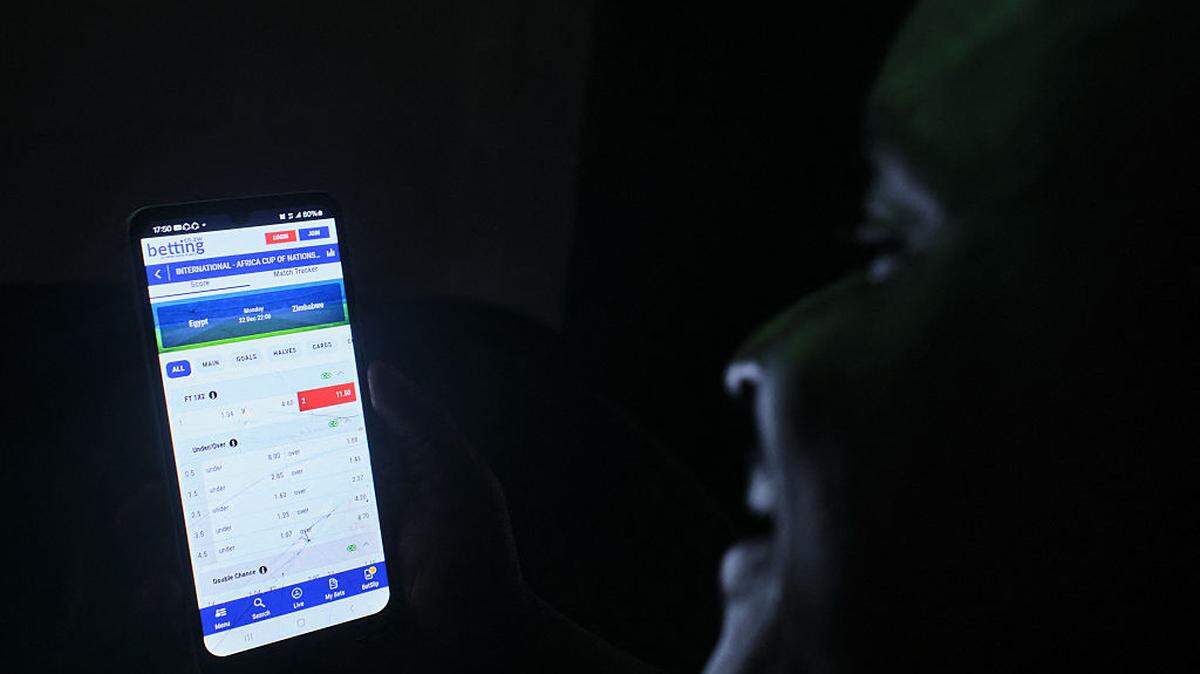
In the two years from 2023, Florida’s problem gambling helpline saw a 138% surge in calls from people concerned about their gambling habits.
That’s the same year Florida’s legal online sportsbook, Hard Rock Bet, launched, after Tallahassee legalized internet sports betting in 2021.
The DSM-5 says someone suffers from problem gambling if they exhibit at least four of the following nine symptoms within the previous 12 months:
- Gambles increasing amounts of money to get the same rush
- Gets restless or irritable when attempting to cut down or stop gambling
- Has made multiple unsuccessful efforts to control, cut back or stop gambling
- Often thinks about gambling — be it remembering past bets, fantasizing about future ones, or planning when and how to gamble next
- Often gambles when feeling distressed (e.g., helpless, guilty, anxious or depressed)
- Tries to win back, or “chase,” losses
- Lies to hide the extent of their gambling
- Has jeopardized or lost a significant relationship, job, or educational or career opportunity because of gambling
- Relies on others for money because gambling has affected their finances
Catching someone in the early stages of gambling disorder, when they’re only exhibiting, say, four or five symptoms as opposed to eight or nine, can help them recover faster.
Because once someone’s gambled away much of their money, they often see further betting as the only solution to getting out of the hole they’re in, said Dr. Timothy Fong, a professor of psychiatry who co-directs UCLA’s Gambling Studies Program.
“That kind of cognitive distortion is unique to gambling disorder,” he said. “It really keeps a lot of people still in it,” hoping for a moonshot payday to square their losses.
READ MORE: In Florida, it’s easier than ever to gamble your life savings from the couch
The stakes of not interrupting someone’s descent into gambling addiction can be high. One in five people with gambling disorder attempt suicide, the highest rate of any addiction disorder by almost a factor of two.
“When the realization hits [online gamblers] ... that all their swiping is money, it definitely has a huge impact on their mental health,” explained Janet Gerner, a South Florida-based therapist who specializes in gambling addiction. “All that creates so much anxiety and stress and tension and despair, and sometimes they just don’t see a way out.”
What to do about problem gambling
If you’re worried that you or someone you know is struggling with problem gambling, the National Council on Problem Gambling recommends taking this self-assessment.
Anyone concerned about either their own gambling or that of a loved one should also call or text Florida’s problem gambling helpline, 888-236-4848 (888-ADMIT-IT), stressed Jennifer Kruse, executive director of the Florida Council on Compulsive Gambling. They can help connect you with resources, like counselors, treatment programs and support groups.
If your spouse — or anyone with whom you share finances — is suffering from gambling disorder, make sure you disentangle yourself financially, urged Gerner, the South Florida therapist. That means making sure you have sole control over any credit cards or bank accounts that are in your name.
And while you can help them cover the bare essentials — buying them groceries or paying their rent directly to their landlord — under no circumstances should you bail someone out by paying off their gambling debt, she said.
“That’s the worst thing you can do.”
Where to find help
- Florida Problem Gambling Helpline: 888-ADMIT-IT (888-236-4848)
- National Problem Gambling Helpline: 1-800-MY-RESET (1-800-697-3738)
- Support groups recommended by the National Council on Problem Gambling
This story was produced with financial support from supporters including The Green Family Foundation Trust and Ken O’Keefe, in partnership with Journalism Funding Partners. The Miami Herald maintains full editorial control of this work.