Miami-area hospital is changing patient meals. See what HHS Secretary Kennedy says
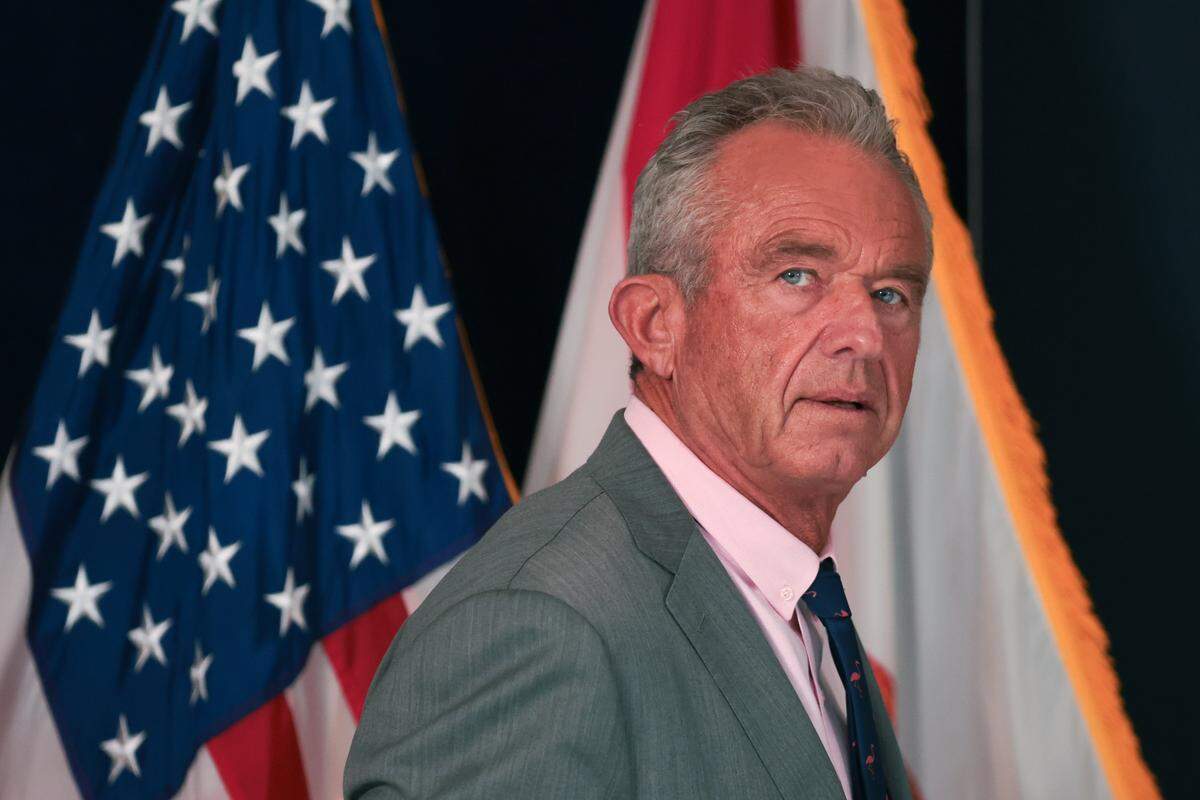
Health and Human Services Secretary Robert F. Kennedy Jr. is taking his battle against ultra-processed foods to the hospital bed, an initiative that’s already getting traction in Miami.
On Monday, Kennedy and Dr. Mehmet Oz, administrator of the Centers for Medicare & Medicaid Services, appeared at Nicklaus Children’s Hospital near South Miami to push U.S. hospitals to get on board with the updated food pyramid the federal government unveiled in January.
Hospitals across the country were sent a memo Monday that “reminds” them that they are required to provide patient meals that align with the federal dietary guidelines to remain eligible for Medicare and Medicaid reimbursement payments, Kennedy said. He described it as “essentially a federal mandate” that was wanted and supported by hospitals.
Kennedy and Oz applauded Nicklaus for its early efforts, noting that it is the first Florida hospital to sign a statewide pledge offered by Florida Commissioner of Agriculture Wilton Simpson for hospitals to buy whole foods for patients from local farmers.
“The patients in this hospital are getting food that is going to affect their healing rather than impair it,” Kennedy said at the news conference, describing Nicklaus as a “model” for other hospitals in the country to follow.
As part of the pledge, Nicklaus agreed to spend at least 5% of its yearly food and drink budget on nutritious, whole foods from Florida farmers that align with the federal dietary guidelines, with a promise to increase that amount every year by 1% going forward.
“We have already started this journey,” said Nicklaus Children’s Health System President and CEO Matthew Love, in reference to the farm-to-hospital initiative. “That’s going to continue and accelerate in terms of bringing that local produce, [those] local vegetables here to Nicklaus. So we’ll continue to see that increase from what we’re doing today well into the future.”
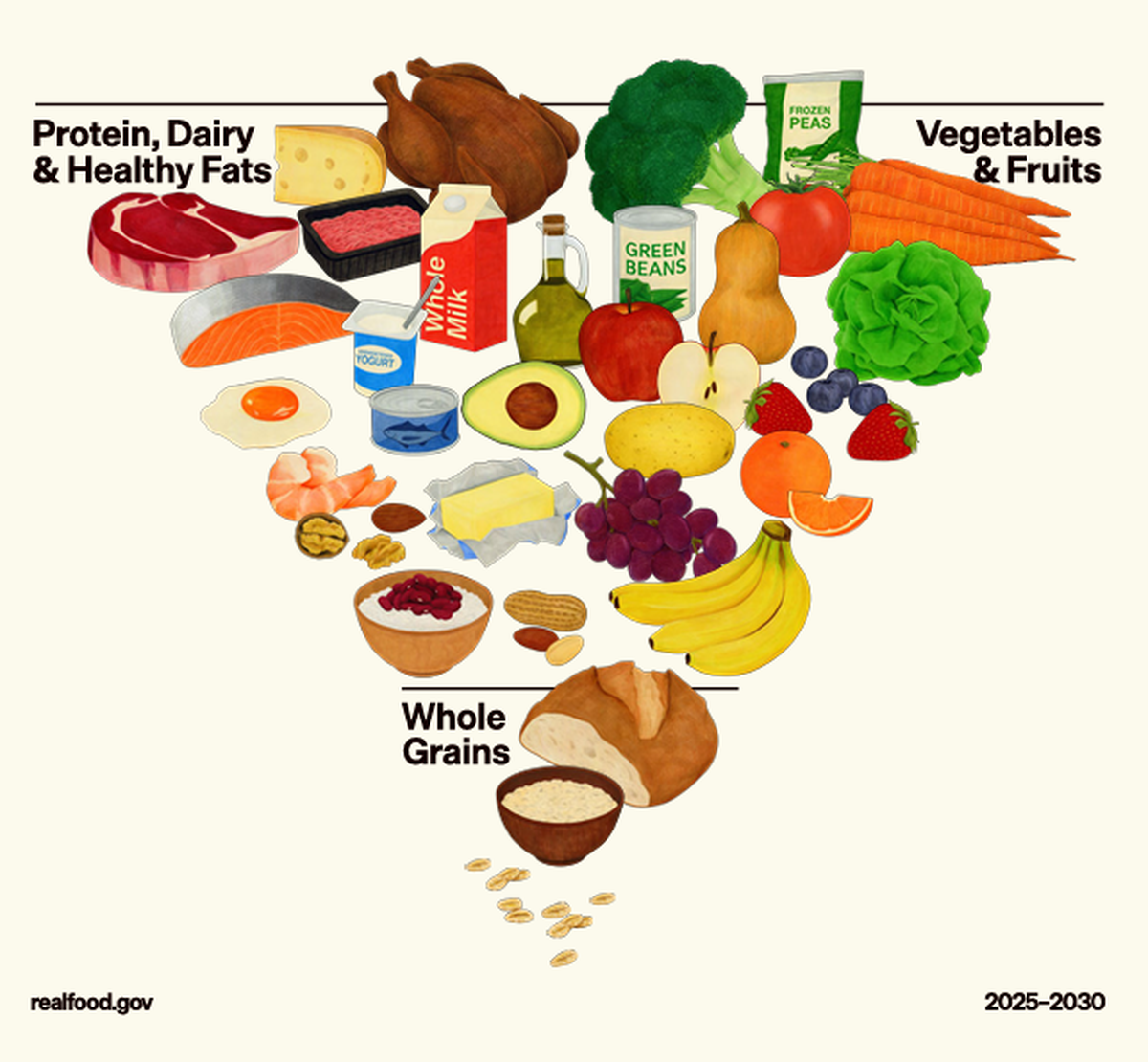
The federal dietary guidelines are the same ones used to help guide school lunches and meals that are provided through federal programs such as SNAP. The revised food pyramid, which has received mixed reviews from nutrition experts, prioritizes more protein and full-fat dairy, along with vegetables, fruits, healthy fats and whole grains, while also urging people to avoid overly processed and sugary foods.
The farm-to-hospital partnership touted at the news conference is the latest push by Kennedy to encourage healthier eating, one of the cornerstones of the Trump administration’s “Make America Healthy Again” campaign to end what Kennedy has described as an epidemic of chronic disease fueled by “mass poison” from “ultra processed foods, highly refined carbohydrates with addictive chemicals, including sugar and sodium, put in our food to hijack our brains.”
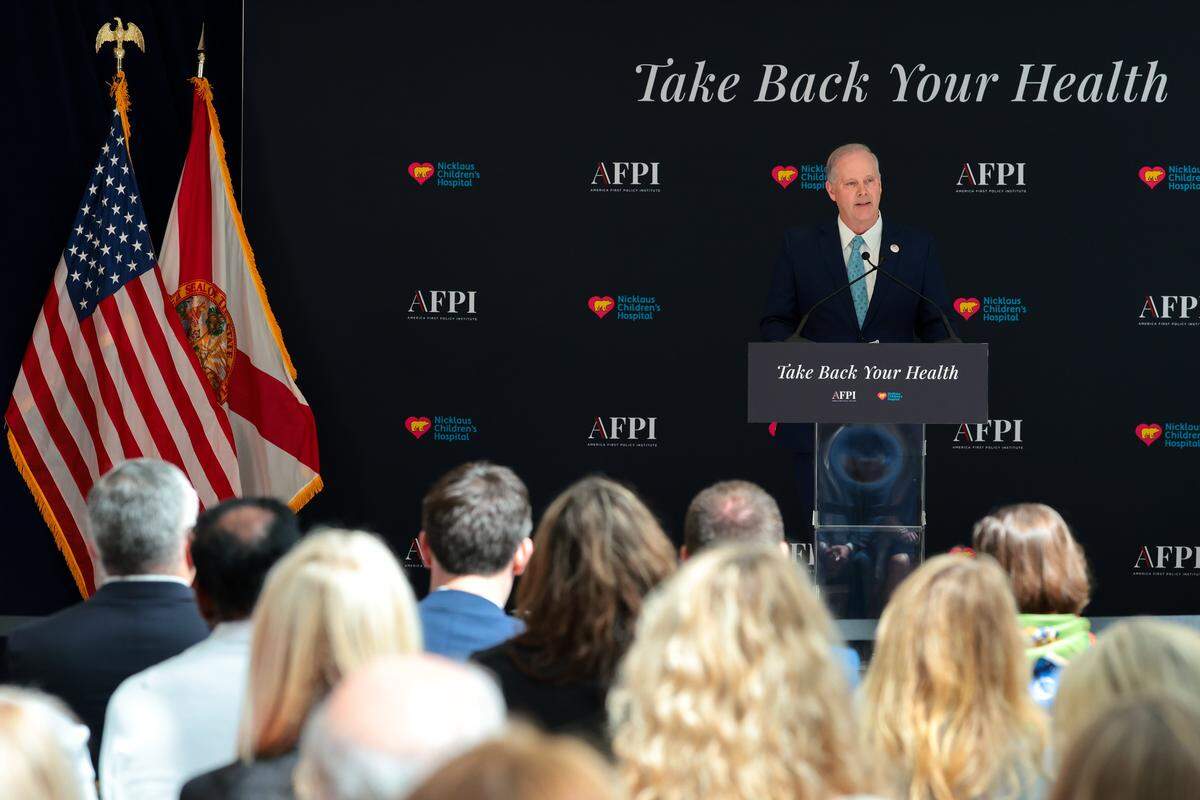
Hannah Anderson, the director of Healthy America Policy and senior director of policy at America First Policy Institute, a conservative think tank, said at the news conference that “this is what MAHA [Make America Healthy Again] looks like.”
“This means that kids getting cancer treatment will eat real protein from the producers here in Florida. This means that kids getting treatment for debilitating diseases will get whole milk, and this means that the kids who are fighting infection are getting the vitamin C and vitamin A from food that’s grown right here in Florida,” she said.
Kennedy is encouraging people to “eat real food,” which the federal government describes as “foods that are whole or minimally processed and recognizable as food” and are “prepared with few ingredients without added sugars, industrial oils, artificial flavors, or preservatives.”
While public health advocates agree that diet can impact the risk of certain diseases, they’ve also expressed concerns that Kennedy at times exaggerates and misrepresents scientific research when discussing how much of an effect diet has in treating and managing diseases.
Oz, in response to a question by the Miami Herald, indicated that he expects, under the hospitals initiative, that patients’ meals will be tailored to better assist in the treatment of their conditions, similar to how treatment for cancer and other conditions is becoming more personalized in health care. He said there’s already evidence that shows low-salt diets, for example, can reduce the risk of a patient being readmitted into the hospital for heart failure, while a low-protein diet can reduce the risk of hospitalization for patients with renal dysfunction and kidney failure.
Monday’s news conference came just weeks after Kennedy announced that 53 medical schools across the country — including those at the University of Miami, Florida State University, the University of Central Florida, the University of Florida and the University of South Florida — have agreed to expand nutrition education, an area Kennedy has argued that doctors are undertrained in. The state of Florida is also zeroing in on food safety and has so far released reports this year about toxins found in baby formula, candy and bread, although some experts have concerns about the testing process.
Simpson, Florida’s agriculture commissioner, described the food-related pledge he’s encouraging Florida hospitals to agree to as a way to make “it easier for hospitals to source directly from Florida producers,” describing it as “aligning policy with common sense.”
“It’s about putting real food back at the center of our food supply, and it’s about supporting American farmers while improving patient outcomes, especially for our children,” Simpson said.
This story was originally published March 30, 2026 at 8:51 PM.