This Broward dad had heart problems. Why it took nearly 7 years to get an organ
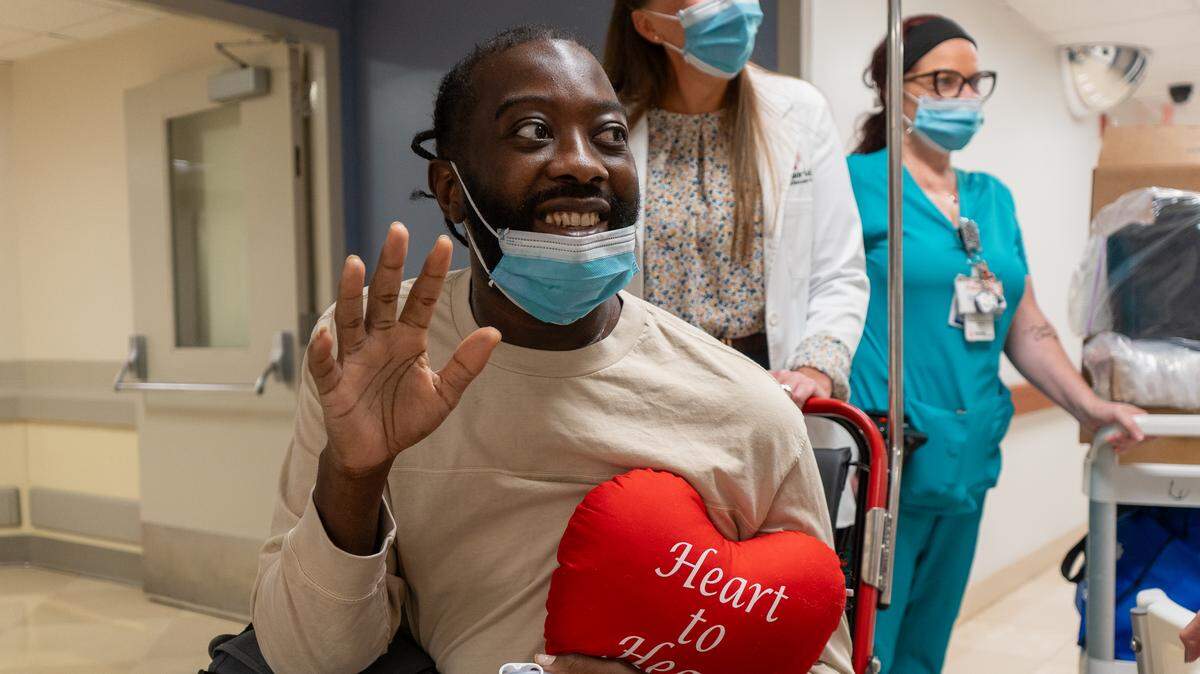
After nearly seven years, Chevon Byfield finally found his perfect match: a large, and strong, beating heart.
“I feel like, even right now, it still hasn’t hit me yet,” the dad of two told the Miami Herald during a recent FaceTime call from his hospital bed at Memorial Regional Hospital in Hollywood, just weeks after he was rolled into surgery to have his new heart implanted.
“I have got the greatest gift that God could ever give anyone,” he added.
The 39-year-old father has lived in and out of the hospital for much of his children’s lives while undergoing treatment for his failing heart. For years, he’s relied on the help of an LVAD, a device that pumps blood to the organ, to keep him alive.
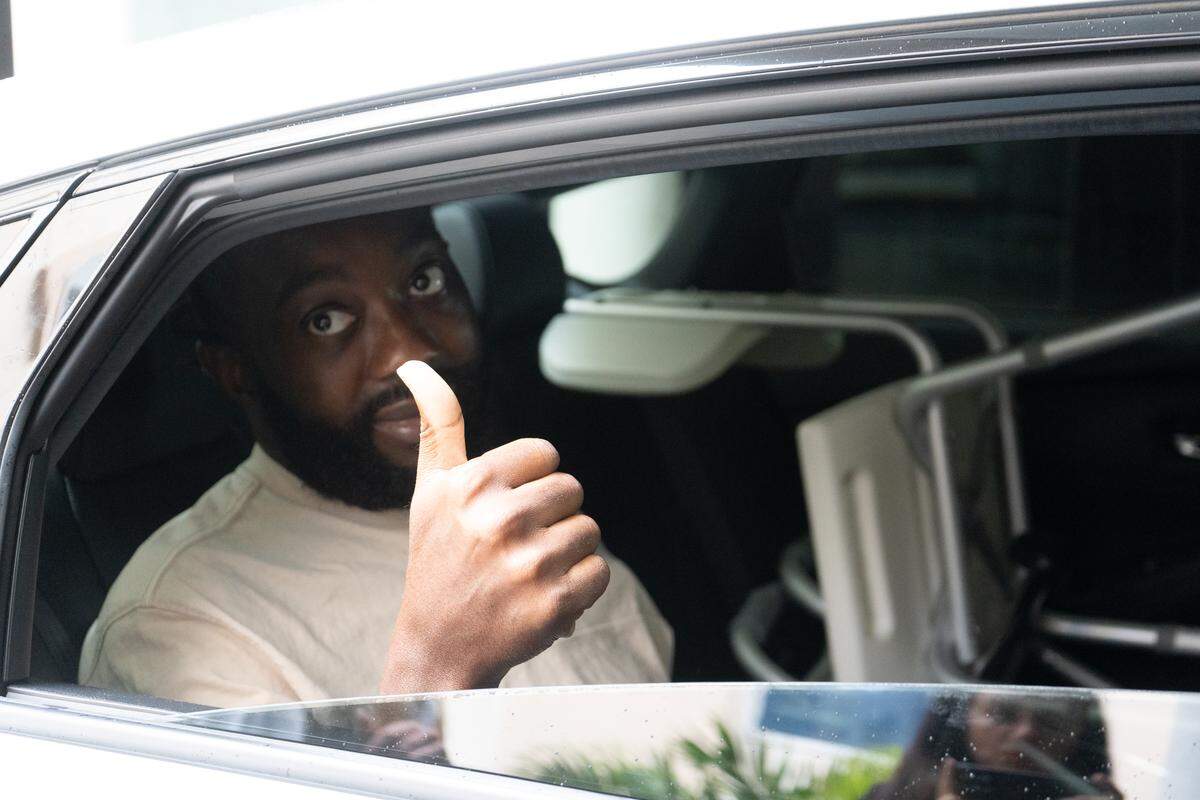
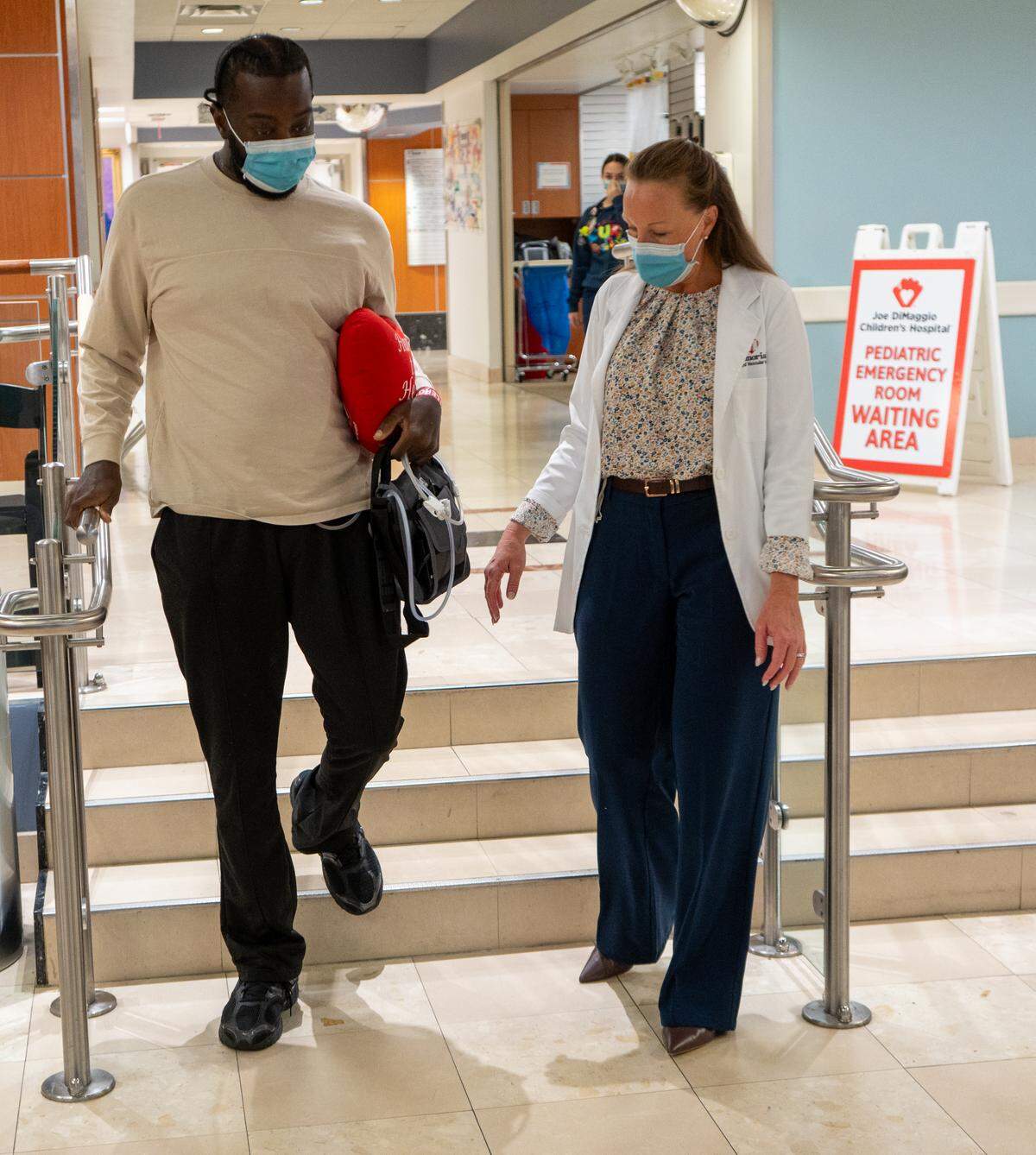
On Monday afternoon, he walked out of the hospital with his new heart thump thump thumping inside his chest.
“I’m coming home, I’m coming home, tell the world I’m coming home,” the music lover sang.
Byfield, Memorial’s longest-waiting heart transplant patient, has waited nearly seven years for this moment, far longer than most patients wait for a heart transplant in the U.S.
The wait
In February, Byfield was hospitalized at Memorial for the fourth time to undergo treatment for an ongoing and challenging infection that had taken root along the cable that connects the LVAD’s internal pump in his heart to the external controller outside of his body. But each hospitalization brought renewed hope that he soon would receive a transplant, since his vulnerable medical status put him closer to the top of the list.
No one knew how long Byfield would be hospitalized this time around, waiting for a heart. The last time he was hospitalized, in 2024, he remained at the hospital for six months. No matches were ever made.
There are over 100,000 people waiting for a life-saving organ transplant in the country. Some patients are lucky and, within a few months, match with an organ. For others, like Byfield, the process can take years.
Age, blood type, medical urgency, organ availability and other factors can affect how quickly a person finds a suitable organ. Donor organs are distributed locally first and, if no match is found, are then offered regionally, then nationally.
But something felt different in February. “I have a good feeling,” Byfield told the Herald at the time.
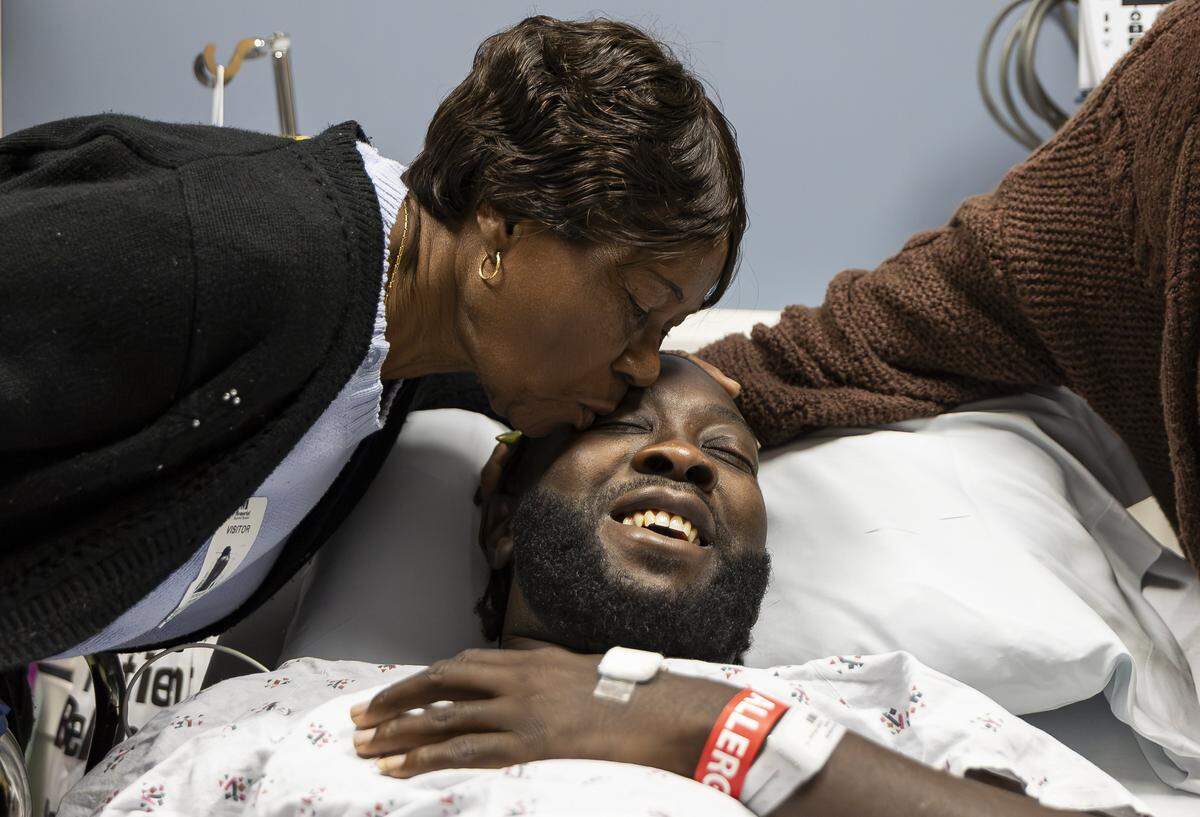
He was right: A match was found within three weeks. He got the news while on the phone with his 8-year-old daughter, talking about the new Nintendo Switch video game system she wanted.
“Baby, they just got me a heart,” Byfield told her.
On March 6, Byfield was rolled into surgery as his “fight song” — “Big Girls Don’t Cry,” a tune he says symbolizes the strength to push through pain and “keep going” — played in the background. Twelve hours later, he woke up to find his LVAD gone and a new heart inside his chest.
“It was the right thing for him, at the right distance, at the right place, so his stars aligned that day,” said Dr. Iani Patsias, Memorial Transplant Institute’s chief of advanced heart failure and transplantation. Byfield says Patsias, whose nickname is “Dr. Jesus,” saved his life years ago when they met in Memorial’s ER, months after doctors in Miami had diagnosed Byfield with heart failure and told him he only had a few months to live.
In Byfield’s case, he needed a large enough heart that could handle his nearly 6-foot-5 frame. He also has the most common blood type — O positive — which meant he also had to compete with more people for compatible hearts.
‘This is the grand exit’
“This is about as complex of a transplant as you’re going to come across for anybody,” said Dr. Jose Garcia, chief of adult heart transplant and mechanical circular support at Memorial Regional Hospital, who has done heart and lung transplants for nearly 30 years.
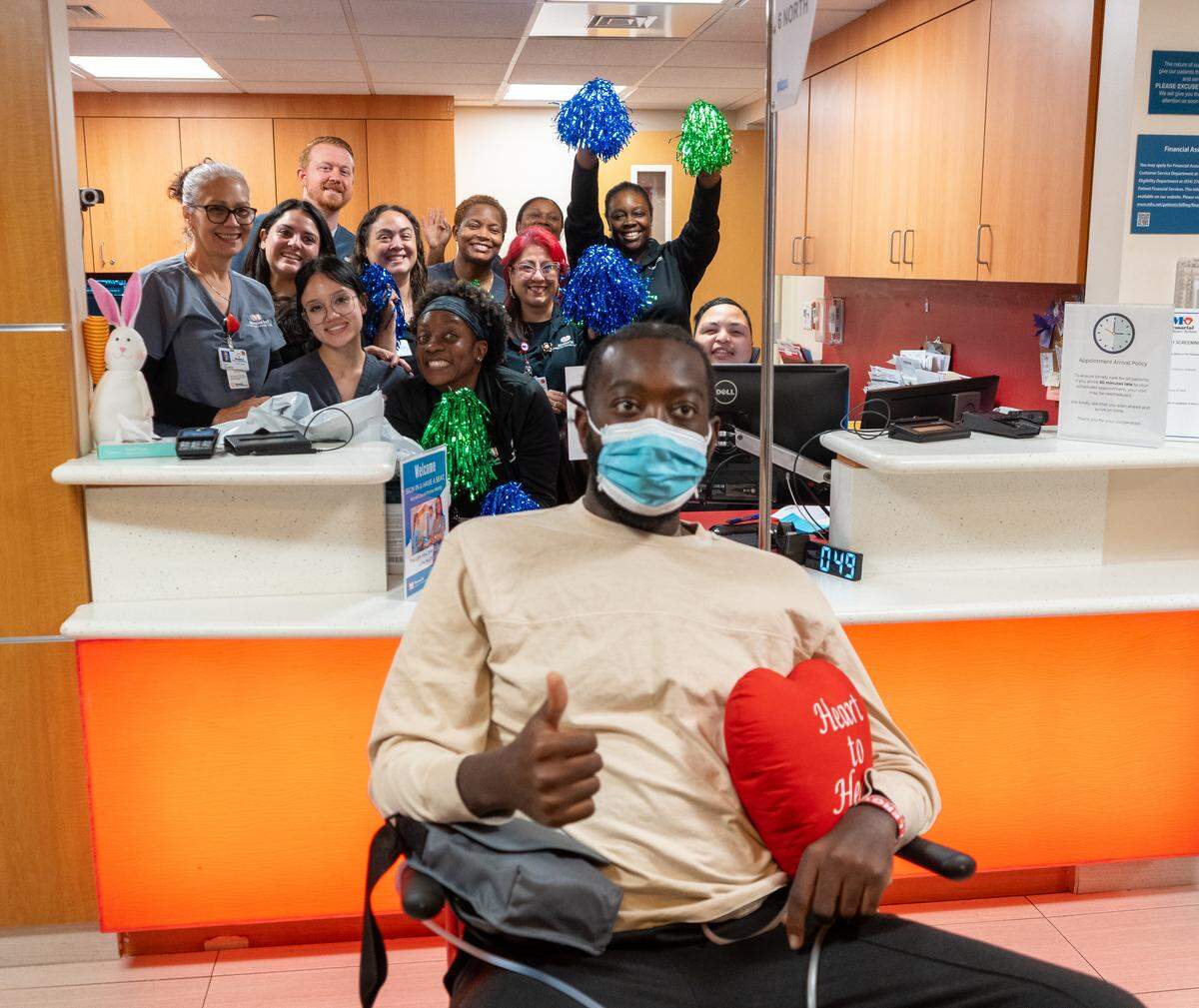
On Monday, Byfield was wheeled around the different hospital units, saying goodbye and taking photos with the staff that had helped him get through his most difficult moments. He FaceTimed with one of the first nurses who cared for him at the hospital.
“This is the grand exit,” Byfield told a group of pom-pom waving nurses who had cared for him throughout his stay.
Doctors will now be monitoring Byfield to make sure his body doesn’t reject the new organ. He’ll need to build up his immune system again while he recovers. Patsias’ “short-term goal” is to get Byfield strong enough to have a beach day with his daughter, an experience the dad’s never been able to do because of the medical device in his chest.
As for Byfield, he’s ready for another chance at life.
What are his initial plans?
He’s got a few ideas. Resting. Spending time with family. Eventually building sand castles at the beach with his kids. And making sure his wife gets a full-on spa day and some R&R after years of being a mom and his caretaker.
“I’m very grateful for her. ... I think about her all the time, so I just want her to really be able to take a little breather once I’m home,” he said.