
Florida reports 13 cases of flesh-eating bacteria; death toll climbs to eight
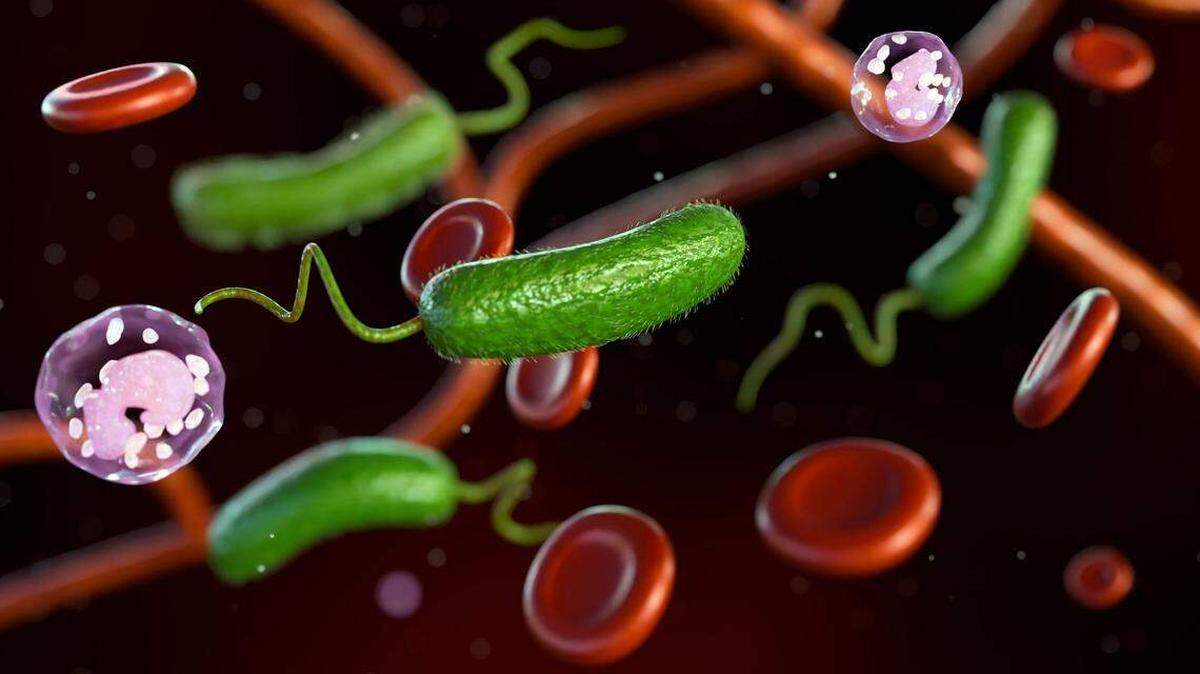
Florida has reported 13 cases of Vibrio vulnificus, a bacteria commonly known as “flesh-eating,” across 11 counties, with the death toll rising to eight, according to the Florida Department of Health.
“Eight of these cases were related to wound exposure, and all cases have been sporadic and unrelated to an outbreak,” health officials told el Nuevo Herald.
As of July 24, the state had reported four deaths: one in Bay County, one in Broward, another in Hillsborough, and one more in Walton. The counties where the other deaths occurred have not yet been disclosed.
The highest number of Vibrio vulnificus cases in Florida was recorded in 2024, with 82 infections and 19 deaths.
Citrus, Hernando, Hillsborough, Lee, Pasco, Pinellas, and Sarasota counties “experienced an unusual increase in cases due to the impacts of Hurricane Helene,” according to state health authorities.
The Centers for Disease Control and Prevention (CDC) noted that extreme weather events, such as coastal flooding, hurricanes, and storm surges, can cause coastal waters to spread inland, increasing the risk of Vibrio infections in wounds among people exposed to these waters — especially older evacuees or those with underlying health conditions. A similar situation occurred in Florida after Hurricane Ian in 2022.
Each year, an average of 150 to 200 cases are reported in the U.S., with most occurring in Gulf Coast states, according to the CDC.
How do you know If you have the bacteria?
Most people infected with Vibrio experience diarrhea, and some may also have stomach cramps, nausea, vomiting, fever, and chills. One species, V. vulnificus, is known to cause life-threatening infections, and about one in five infected people die — sometimes within one to two days after becoming ill, according to the CDC.
Louisiana has reported the most Vibrio vulnificus cases so far in 2025, with 17 infections — well above the state’s annual average of seven, based on data from the Louisiana Department of Health.
The bacteria live in coastal waters, including saltwater and brackish water (a mix of salt and fresh water). Most people become infected by eating raw or undercooked seafood, particularly oysters. Infection can also occur when an open wound is exposed to water containing the bacteria, according to the CDC’s website.
Preventive measures
The Florida Department of Health recommends taking steps to avoid infection, such as cooking seafood to safe internal temperatures before eating, keeping raw or undercooked seafood and their juices away from other foods. Other tips include:
- Washing your hands with soap and water after handling raw seafood.
- Covering open wounds, cuts, or scrapes with a waterproof bandage when in contact with seawater, brackish water, floodwater, or standing water.
- Immediately cleaning wounds with clean water and soap after any exposure to such water, or to raw or undercooked seafood or their juices.
- Seeking immediate medical attention if a wound becomes red, swollen, oozes pus, or shows other signs of infection such as fever, increasing pain, shortness of breath, rapid heartbeat, confusion, or disorientation.
This story was originally published August 6, 2025 at 1:01 PM.