Heart disease forecast to rise in South Florida. Here’s what one hospital is doing
Miami-Dade’s public hospital system expects more people in South Florida to have heart problems within the next decade.
And the need for more specialized cardiovascular care has become particularly apparent in southern Miami-Dade, a swath of the county that is underserved.
Jackson South, a public hospital that has been steadily expanding its cardiac care services through the years, expects to see a 12% increase in cardiovascular disease and a 60% increase in heart valve disease over the next decade or so in the surrounding area, according to Edward Borrego, the senior vice president and CEO of Jackson South and Jackson West.
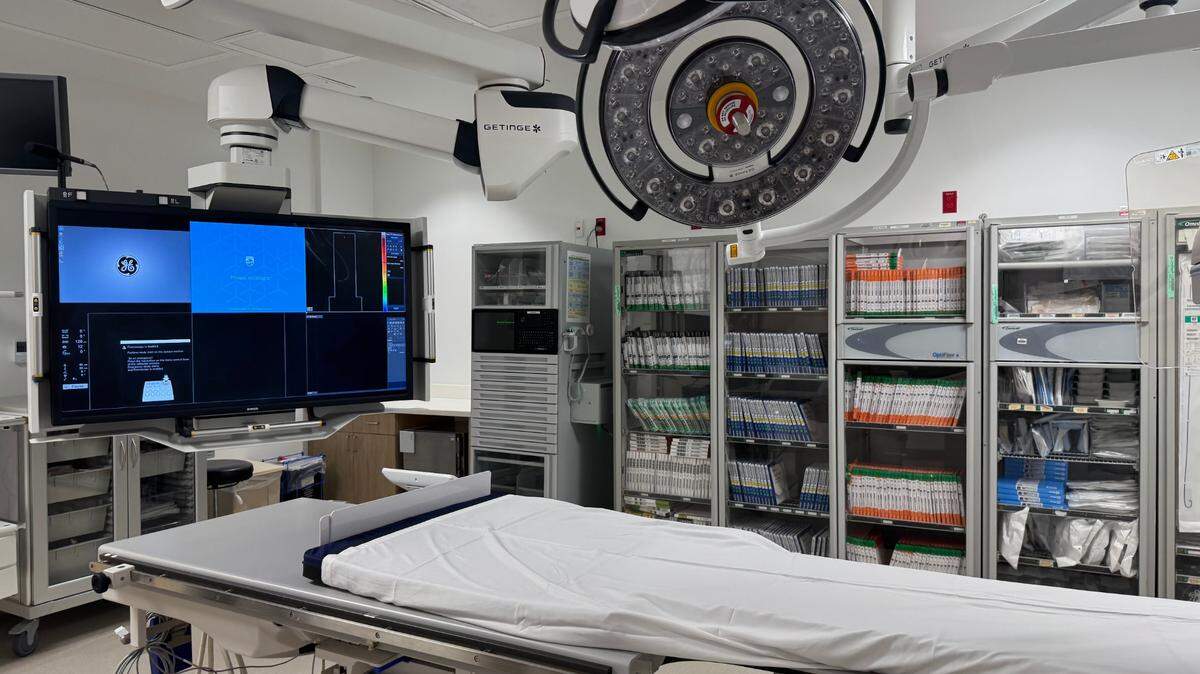
On Tuesday, doctors and executives unveiled Jackson South’s newly renovated catheterization lab, where doctors will treat heart and vascular conditions, implant pacemakers and perform other minimally invasive procedures.
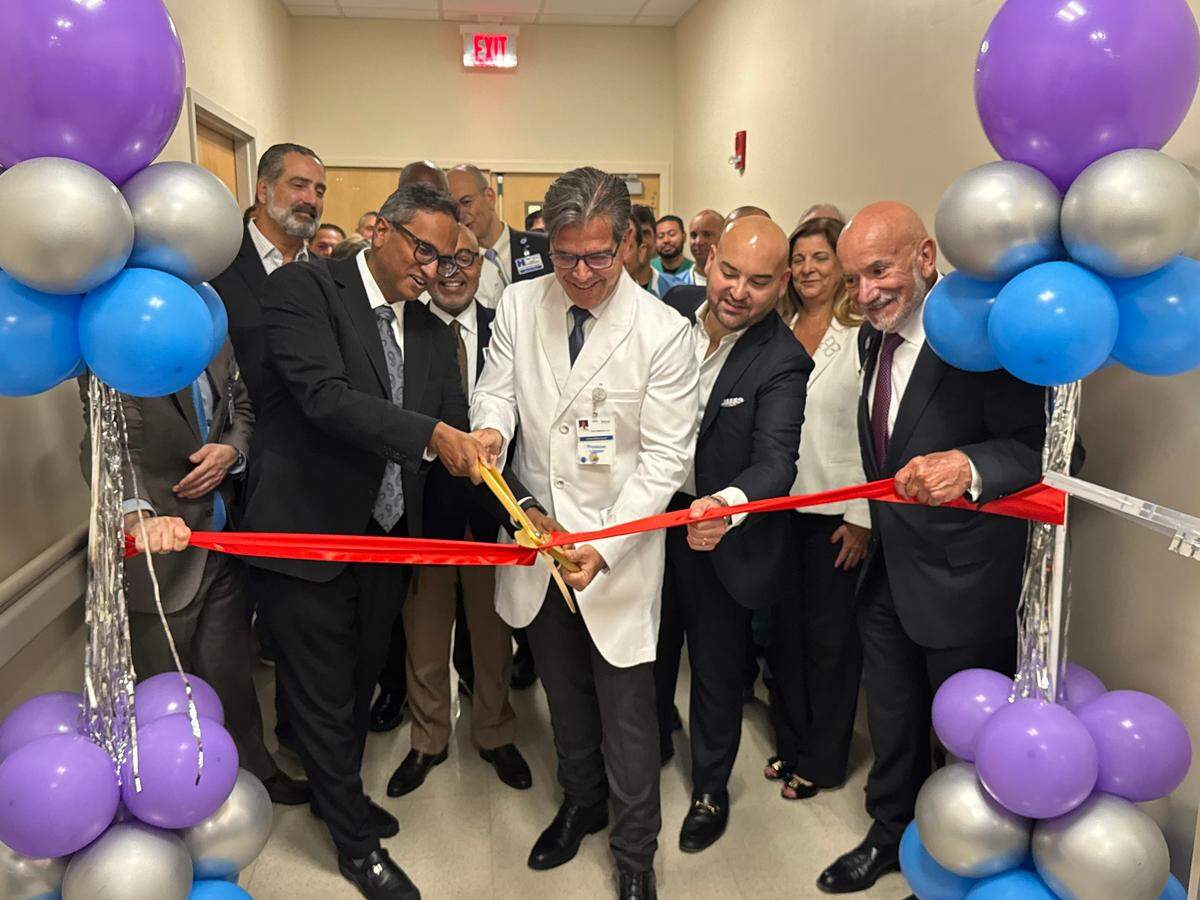
The renovation is part of the hospital’s push to expand cardiology and other high-demand services as it seeks to address the “huge need in this community for cardiology and cardiothoracic” care, longtime Jackson Health System CEO Carlos Migoya told a crowd of doctors and Jackson executives during the unit’s ribbon-cutting ceremony.
Dr. Hari Mallidi, the chief of cardiac surgery and director of the Jackson Heart Institute, attributes the expected rise in demand for cardiac care in the community to Miami-Dade’s rapidly aging population and the difficulties some people may have getting timely access to care. He said the hospital serves a population of mainly immigrants, a group that may not always seek or have access to preventative or early care until their condition advances and they become sicker. Doctors consistently say that income, housing, food insecurity, insurance status, transportation and other factors in a person’s life can impact a person’s health and their ability to access care.
Jackson expands cardiac care
Jackson South, located at 9333 SW 152nd St., is part of the county’s public hospital system and primarily serves patients who live in Perrine, Richmond Heights, Palmetto Bay, Cutler Bay and other parts of southern Miami-Dade. Jackson Health System serves as a safety net for Miami-Dade County and provides care to everyone, regardless of their insurance status or ability to pay.
Inside the new lab, doctors will use tech that will let them reconstruct 3D models of a patient’s cardiovascular system, as well as the Canon Alphenix Core, a new imaging system that uses X-ray tech to create high-definition images that will help doctors perform minimally invasive procedures with more precision for heart and vascular conditions. Jackson also added more exam rooms for patients in a neighboring building, increasing the available rooms from eight to 18, with an exam area created to focus on conducting stress echo testing, which assesses how well the heart functions when beating fast.
Jackson Health says the new lab will “significantly expand Jackson South’s cardiac and vascular capabilities from basic diagnostics and interventions to advanced vascular interventions, comprehensive interventional radiology services, and complex cardiovascular treatments.” It expects to be able to care for more patients and is estimating a 25% increase in its “outpatient capacity, which will include cardiovascular and interventional radiology procedures.”
Some core members of Jackson’s heart team will be rotating between the Miami Transplant Institute, located at Jackson’s main Miami campus, and Jackson South to provide care to patients.
That includes Mallidi, the chief of cardiac surgery and director of the Jackson Heart Institute; Dr. Osama Haddad, associate medical director of the Jackson Heart Institute; and Dr. Farhang Yazdchi, director of aortic surgery.
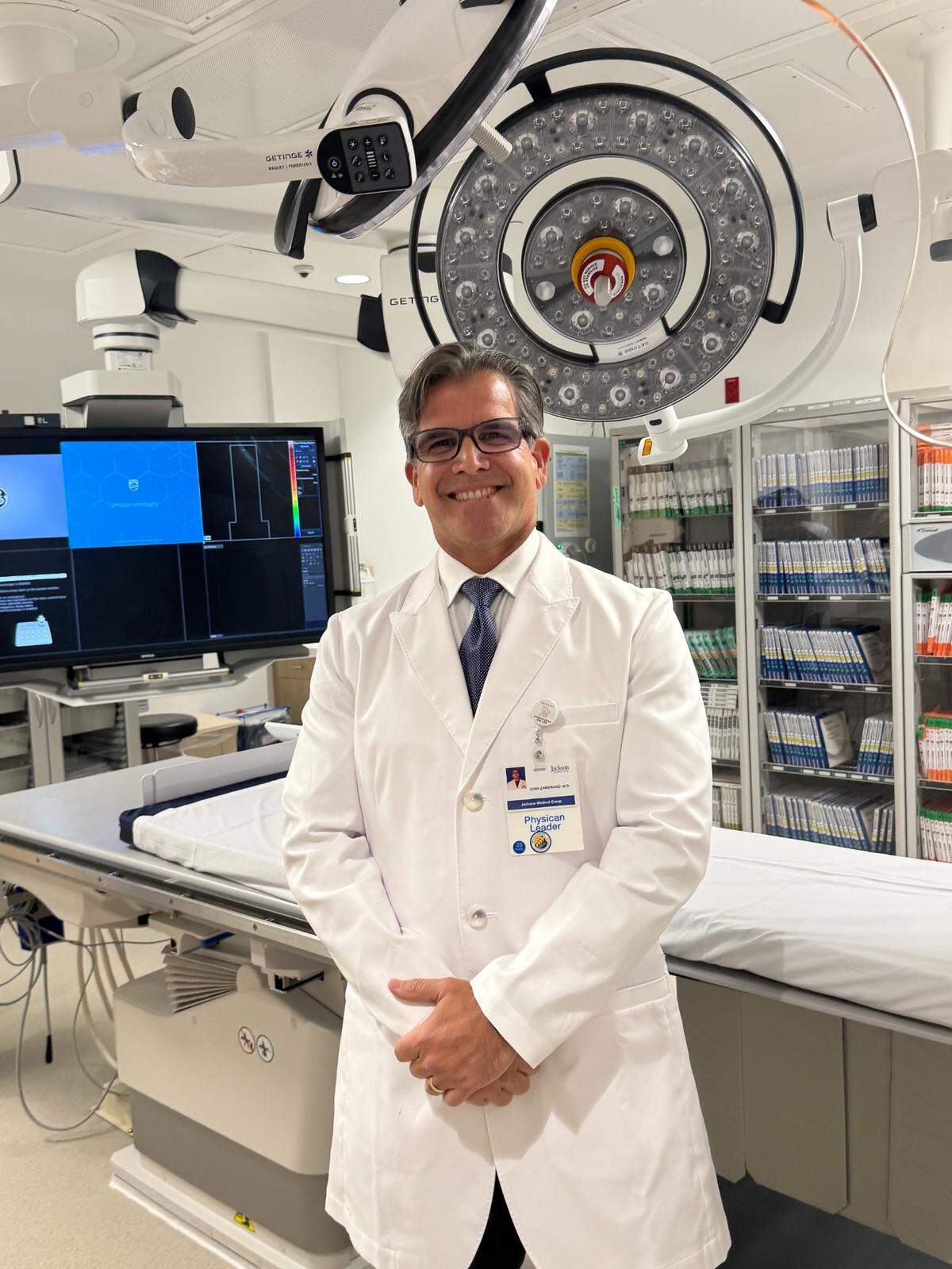
“This facility not only represents a significant investment in our infrastructure but also stands as a testament of our commitment to advancing cardiovascular care for our community,” said Dr. Juan Zambrano, director of cardiovascular medicine at Jackson South Medical Center. Plans are currently in the works to renovate the hospital’s second cath lab, too.
Jackson South’s cardiac expansion comes on the heels of an upcoming closure of the hospital’s labor and delivery unit. Migoya, in a memo sent to county and state leaders, previously described the maternity ward’s September closure as a decision that was made due to a declining birth trend and a growing need for more cardiology and other services at Jackson South.
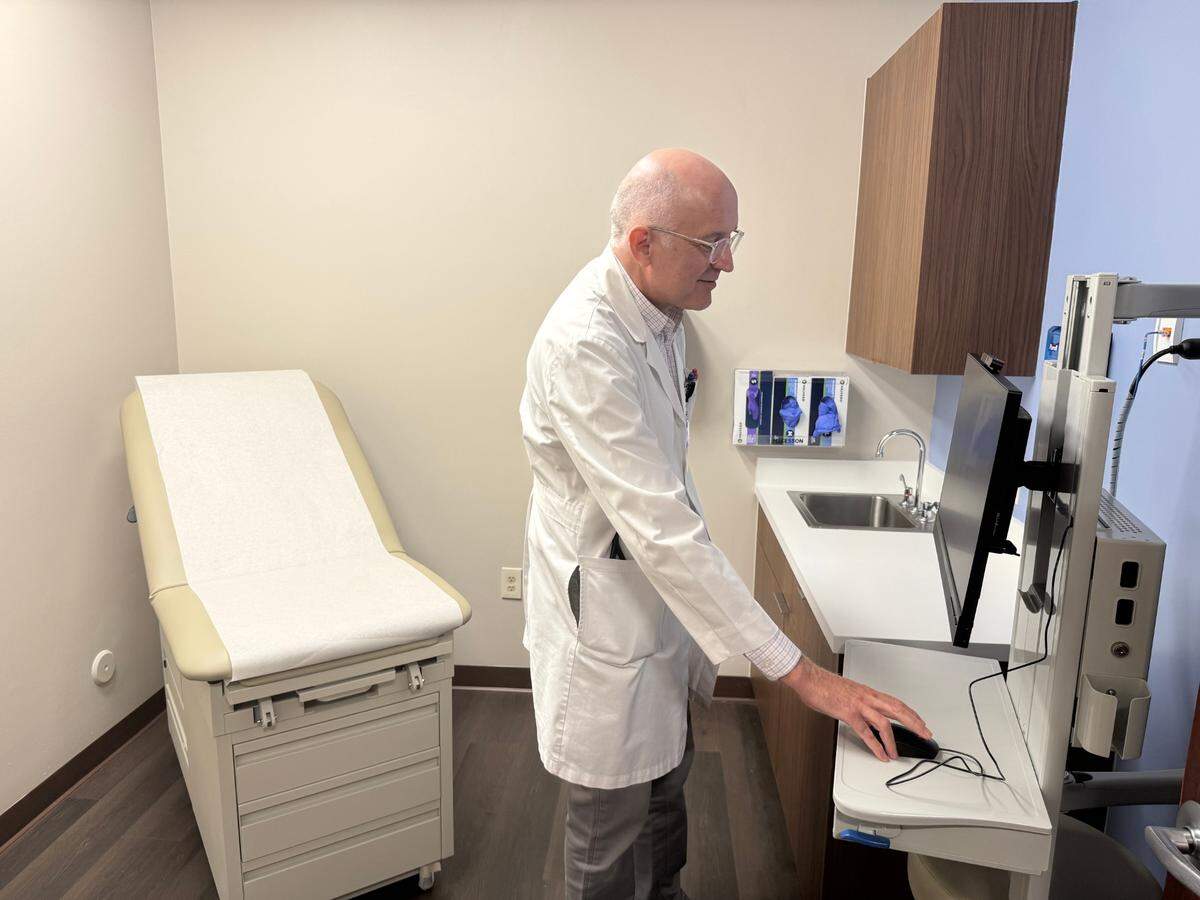
Borrego, Jackson South’s CEO, told the Miami Herald during a tour of the new cath lab that the goal is to make specialty care more accessible for patients by bringing it closer to home.
“If they come to our emergency room, not knowing what they have — and if it’s a cardiac issue — they need to know that they’re going to be in safe, and some of the best, hands — with the best technology,” Borrego said.
Why heart disease is on the rise
Heart disease has been the leading cause of death in the U.S. for decades, according to the U.S. Centers for Disease Control and Prevention. By 2050, at least six in 10 adults in the country could be affected by cardiovascular disease, according to a recent forecast study by the American Heart Association.
Cardiovascular disease refers to heart attacks, high blood pressure, heart failure, strokes and several heart conditions, including vascular disease, heart arrhythmias and coronary artery disease, the most common heart disease in the U.S.
The biggest rise in the total number of people with cardiovascular disease is expected to occur among Hispanic adults, with Black adults projected to see the highest rates of high blood pressure, diabetes, obesity, inadequate sleep and poor diets, according to the forecast, which was published last year in the association’s peer-reviewed journal. Asians are also projected to see a rise in risk factors.
A news release on the study indicates this is partly because the U.S. is becoming older and more diverse, with its Hispanic and Asian populations forecast to nearly double by 2060 but also due to “systemic racism, as well as socioeconomic factors and access to care.”