What’s the Miami allergy forecast? Just follow the sneezing — and the weather pattern
As a young father pushed a baby carriage on a windy morning in Broward last week, streams of leaves and flowers cascaded down from a nearby towering oak tree. “My allergies,” he told a passing neighbor, brushing the tree debris from his face.
Spring weather is here. And with it has come pollen-fueled itchy eyes, runny noses and congestion.
“It’s worse than last year,” said Naresh Kumar, a professor of environmental health at the University of Miami Miller School of Medicine who tracks pollen in the region.
Last spring, Florida also felt an intense allergy season after a milder winter and extra rain stirred the perfect recipe for a longer blooming season.
This year, the professor has noticed even more pollen, a result of South Florida’s seesaw of hot and cold weather, which has led to an extended blooming season. That’s bad news for people with allergies, asthma, and lung conditions.
“Miami is very unique and strange this year,” Kumar said as he analyzed recent pollen samples he collected from Coral Gables.
In Pembroke Pines, CVS Health Pharmacy Manager Linda Molaka has seen a wave of patients seeking care for allergy-related symptoms over the past several weeks.
Allergies are common year-round in the Sunshine State, although some months are worse than others. And you won’t necessarily escape allergies during your spring break and summer travels.
Scientists have noticed longer allergy seasons in the country as warmer temperatures caused by climate change lead to more pollen in the air for longer periods of time.
The allergy risk in Miami-Dade County is mostly above moderate for the next two weeks, according to the Weather Channel’s 15-day allergy forecast. In Broward, the allergy risk is moderate, but will likely tick up next week.
What causes allergies in South Florida?
Kumar says some of the most common causes of allergies in South Florida include:
▪ Tree pollen, especially from oak and pine trees, which are common in the region.
▪ Ragweed pollen. The plant grows throughout the U.S., including in Florida. It’s a common cause of hay fever and can also trigger asthma attacks. While each plant only lives for one season, one plant can produce up to 1 billion pollen grains, which can be carried far by the wind, according to the U.S. Environmental Protection Agency.
_fitted.jpeg "Image_20250311_092604_978 (1)_fitted.jpeg")
▪ Mold. South Florida’s humid climate makes it easy for mold to grow outdoors and inside. Mold can cause stuffy nose, sore throat, coughing and skin rashes. People with asthma or who are immunocompromised can sometimes have more severe reactions.
The good news is that relief should be on the way for those who are allergic to tree pollen, including those from oak and pine trees. Tree pollen hit its peak last week and will hopefully calm down by the end of March, he said. However, other pollens will start circulating more in the coming months.
Allergy forecast in Miami
The Asthma and Allergy Foundation of America, which annually ranks the top 20 “allergy capitals” in the country, recommends that you monitor pollen forecasts and check local air quality data to get an idea of your risk for allergies and asthma.
The Weather Channel, for example, has a 15-day allergy forecast that ranks a ZIP Code’s allergy risk from very low to very high. It also offers a three-day pollen breakdown for tree pollen, grass pollen and ragweed pollen. For air quality data, a good option is AirNow, which tracks air quality data across the country. The iPhone weather app also gives air quality data.
The risk for allergies varies where you are. Doral, Hialeah and Fort Lauderdale, for example, have a moderate risk for grass pollen through Friday, March 14, while Miami Beach and Miami have a low risk during the same time period, according to the Weather Channel’s allergy forecast.

How to reduce allergies
One of the challenges about managing allergies is that it can sometimes be difficult to know if your “ach-oooo” is because of an allergy or a cold, especially when the country is seeing its worst flu season in more than a decade. That’s why Kumar and Molaka recommend that people pay attention to their symptoms.
While both allergies and colds can cause sneezing and runny noses, allergies rarely cause a sore throat, cough or fever, according to the Mayo Clinic. Itchy eyes, on the other hand, are a more common symptom of allergies, not colds.
You can also consider taking an allergy test to learn what exactly makes you sneeze and itch.
READ NEXT: ‘Everybody is getting sick.’ Flu is on the rise in Florida — and here’s what doctors say
At CVS MinuteClinics, patients 12 and older can undergo a blood test to help identify if their allergy or asthma symptoms are triggered by pet dander, ragweed, oak or other common allergens.
“Being aware of what our triggers are, or what might be in the air” can help people take preventive steps to try and reduce symptoms, and also help doctors and pharmacists make a treatment plan, Molaka said. Antihistimines, for example, can help stop itchy eyes and sneezing while decongestants and nasal corticosteroids are more for stuffy, congested noses, according to the U.S. Food and Drug Administration.
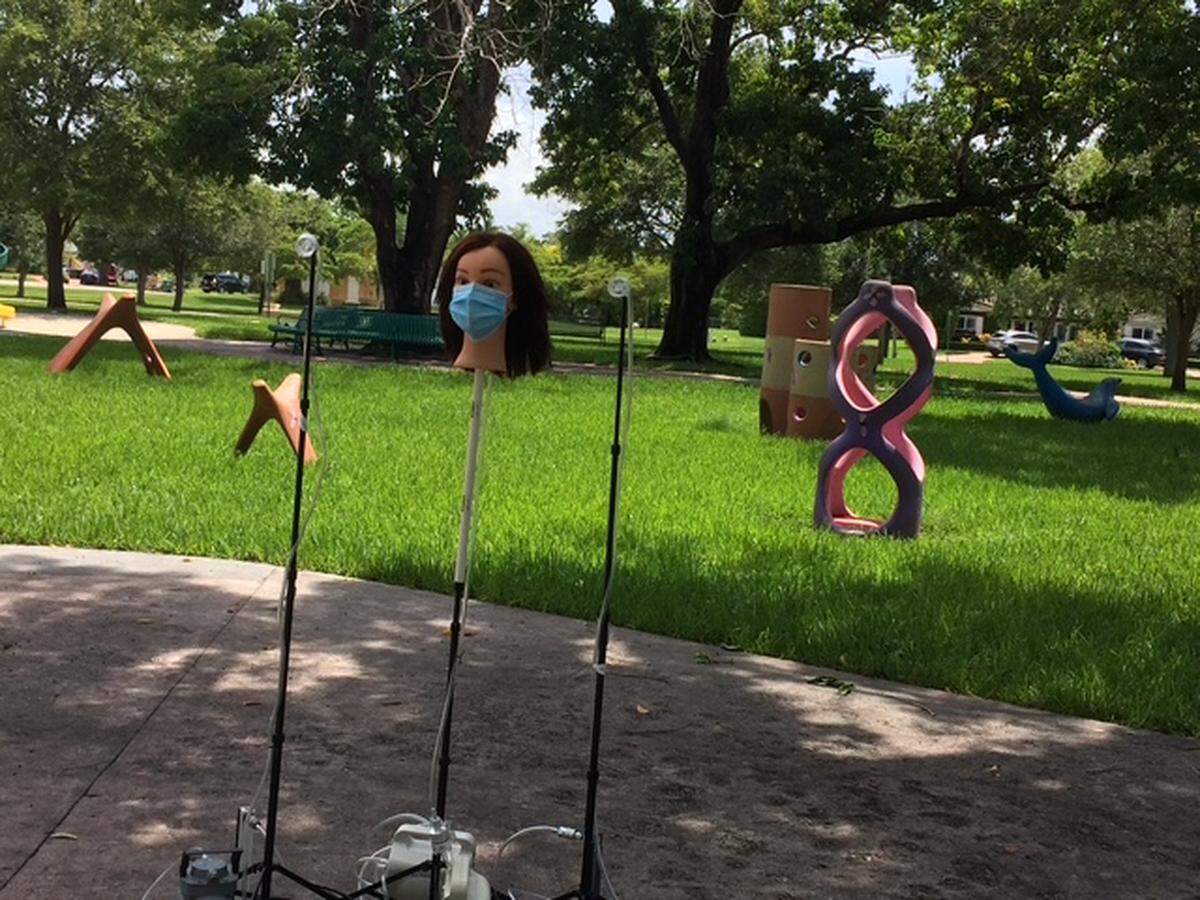
If pollen allergies frustrate you, Kumar recommends masking up to be outside, just like how people used to wear masks indoors during COVID’s peak. Masks can help block pollen particles. For people with itchy, water eyes, consider wearing glasses or sunglasses outside to help keep pollen out of your eyes. You can also monitor pollen forecasts to avoid being outside on days with high pollen counts.
And while it can be difficult to avoid pollen in South Florida, you can plan ahead to try and reduce the severity of your symptoms, including taking allergy medications a few days before, and the day of, your outdoor plans to help better prepare your body.
Trade in your Everglades bike date for a beach trip in Miami Beach, Key Biscayne or the Florida Keys to breathe in the salty, ocean air, which is generally free of allergens. Shower after being outdoors and change your clothes to remove any pollen you might have picked up outside. Keep windows and doors closed to avoid pollen being blown into your home.
And if you learn that certain trees and plants make you allergic, avoid planting them in your backyard. Some people are allergic to oak, pine and mango trees.
Mangoes can be bad? Yes, even in mango-loving South Florida.
This story was originally published March 12, 2025 at 10:21 AM.