COVID, flu, and walking pneumonia. Here’s what is making Miami sick at holiday time
.jpg "The best way to prevent sickness is to take preventative measures including staying up-to-date on vaccinations and frequent hand washing, experts say.")
Do you have a cough? The sniffles? A sore throat?
COVID, RSV, and the flu are going around town. So are other respiratory and bacterial infections, including STDs, walking pneumonia, strep throat and the stomach flu.
“We saw more cases of influenza and COVID during the summer months than now,” though cases are starting to tick up, said Dr. Alexis Perera, medical director for Baptist Health Urgent Care in Miami-Dade County. “As the winter approaches and we get closer to December, January, we will see an increase again of those diseases.”
While flu, COVID and RSV are at low levels overall in the country, the U.S. Centers for Disease Control and Prevention expects to see increases in the coming weeks, as is common in the fall and winter. RSV is already starting to circulate more in the southern and eastern U.S., particularly in young children, according to the public health agency. And “many people have not received their recommended flu, COVID-19 and RSV immunizations,” the CDC said.
South Florida doctors say they’re on alert.
“We will see probably an uptick on respiratory viruses” during the holiday season as people travel, gather and stay indoors more to avoid chilly weather, said Dr. David Farcy, chair of emergency medicine at Mount Sinai Medical Center in Miami Beach.
The country is forecast to see record-breaking travel Thanksgiving week, with Miami International Airport preparing for a record number of passengers during the Thanksgiving holiday period. AAA predicts nearly 80 million Americans will travel during this holiday stretch, with more people flying, driving and cruising.
Thousands of people cramming into planes, using the same bathroom stalls at rest stops along Florida’s Turnpike and touching plates and utensils at the cruise buffet means there’s a higher chance for illnesses like COVID, influenza and RSV to spread. Respiratory illnesses can spread by people touching contaminated objects or if they breathe in respiratory droplets that are released when a sick person coughs or sneezes.
Doctors have also noticed an increase in strep throat, though that’s not unusual as the infection is most common in kids during the school year. Like the rest of the country, South Florida is seeing more kids sick with walking pneumonia, too.
Perera has also seen a recent uptick in STDs, bad news for a region known to have some of the highest number of HIV cases in the country.
The Baptist Health doctor said there are more people seeking care for diarrhea and vomiting, too. The upset stomachs are due to gastroenteritis, aka, the stomach flu.
Perera’s not surprised.
“Miami, it’s all about the eating,” he said. There are hundreds of restaurants to eat from, and lots of food trucks too. He said people need to be careful and try to avoid places that may have questionable food- handling practices. (Miami Herald reporter David J. Neal tracks restaurant inspections and lets readers know which restaurants were shut down due to creepy crawlies and other nasty things.)
Read More: A Vicky Bakery, poop in soap on list of worst restaurant inspections in South Florida
So, what’s making us sick in South Florida?
Here’s a snapshot:
What is the COVID and flu situation in Florida? Are people getting vaccinated?
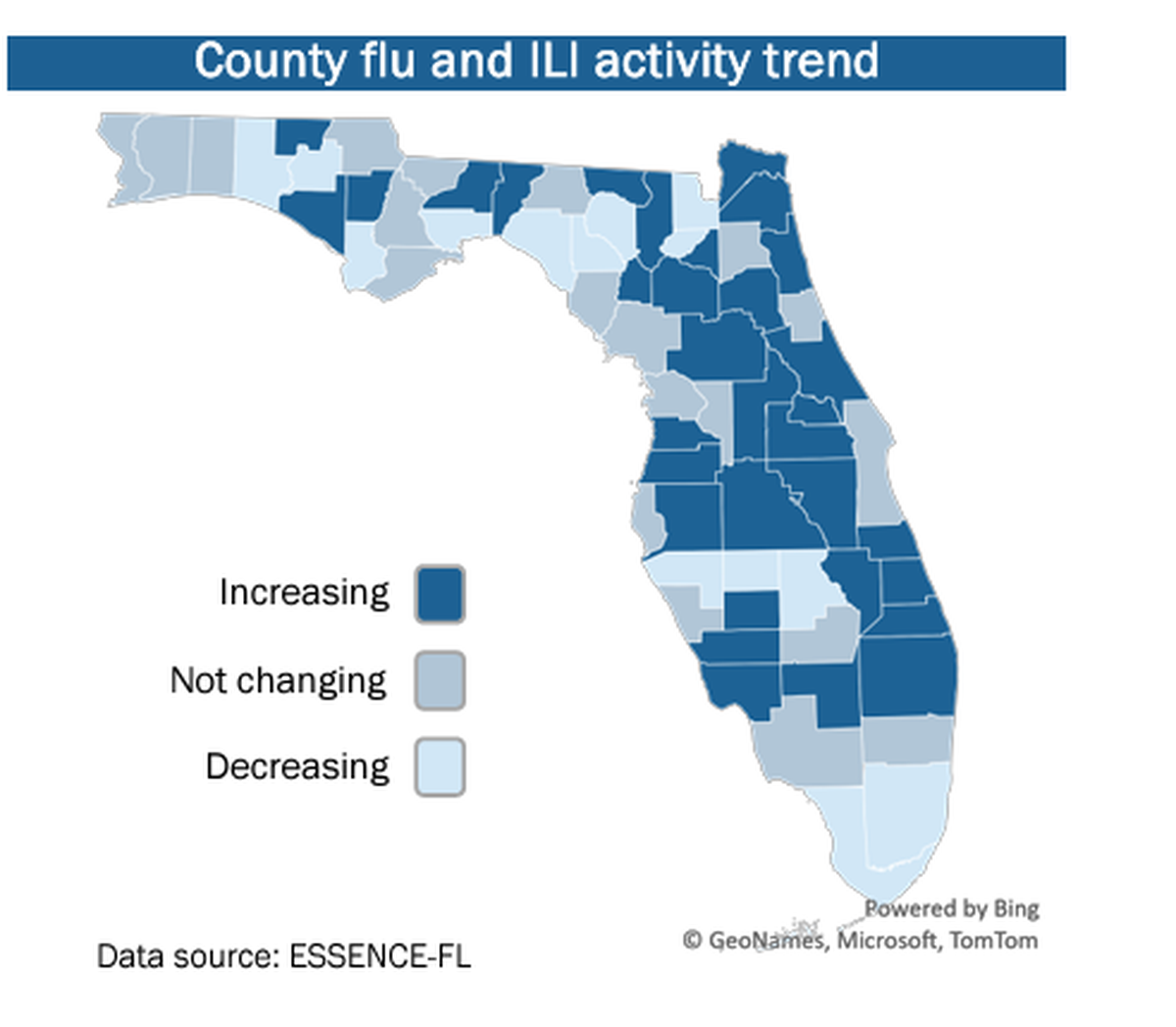
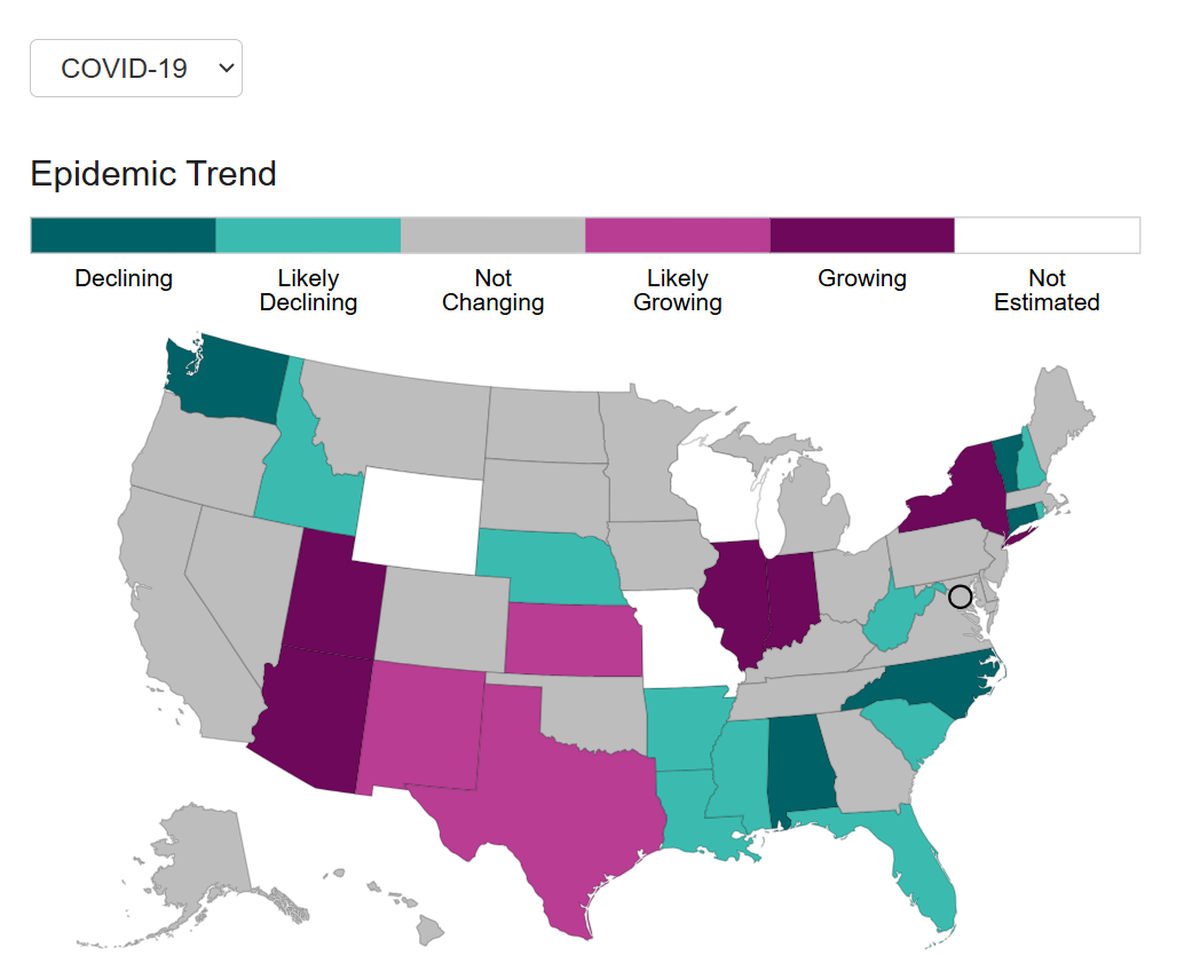
As of Nov. 19, COVID infections are likely declining in Florida, CDC data shows. As for flu, the state saw an increase in flu-related ER visits and an increase in flu positivity testing rates during the week of Nov. 17-Nov. 23, according to the most recent report from the state’s health department.
However, while some parts of the state saw an increase in flu and influenza-like-illness, other parts, including Miami-Dade, saw a decrease, state data shows.
While flu season is well underway, vaccination rates for flu and COVID still remain low for U.S. adults, according to a new CDC report. As of Nov. 9, about 35% of adults in the U.S. had received the flu shot and about 18% had received the new COVID vaccine, CDC data shows. In Florida, the estimated vaccination rate is lower, with about 23% of adults vaccinated for flu and about 13% vaccinated against COVID.
The country’s low vaccination rate means “many adults lack the protection from respiratory virus infections afforded by vaccines,” the CDC said. “However, many unvaccinated adults reported that they definitely or probably will get vaccinated or were unsure, suggesting they are open to vaccination.”
The CDC recommends everyone 6 months and older get an annual flu and COVID vaccine.
In the U.S., flu season runs through the fall and winter, with peaks typically occurring between December and February, according to the CDC. For those who want to get an updated COVID and flu shot, you can schedule an appointment or walk in to your nearby CVS, Navarro Discount Pharmacy, Publix or Walgreens for a shot. It takes about two weeks after vaccination for you to be protected.
Walking pneumonia is spreading: What to know in Miami
The U.S. has seen a surge of respiratory infections this year, especially among young children, caused by the common and contagious bacteria Mycoplasma pneumoniae, or M. pneumoniae. South Florida pediatricians have noticed more kids sick with walking pneumonia though anyone can get it, regardless of age.
“Although this year is a little unusual that we’re seeing a spike of this particular infection, but thankfully, it’s an infection that can be treated and with a good response,” Dr. Marcos Mestre, senior vice president of clinical operations and chief medical officer at Nicklaus Children’s Hospital near South Miami, previously told the Miami Herald. “So that’s why I always tell folks not to panic about it. ... Again, going back to the basics, washing your hands, being courteous of others, not being around others when you’re sick, and that should limit the spread of the illness.”
READ NEXT: ‘Walking pneumonia’ is on the rise. What to know about infections in Miami
The contagious bacteria generally infects millions of people a year in the U.S. and tends to cause a mild respiratory illness, although it can sometimes worsen into pneumonia. If it does, it usually tends to be a less severe form of bacterial pneumonia known as “walking pneumonia,” according to the CDC.
The disease spreads through respiratory droplets released by coughing and sneezing and can often feel like a bad cold or a bad flu, with coughing and a low-grade fever of less than 101 degrees. For some, worsening symptoms can lead to a trip to the hospital.
While symptoms can be similar to those from other illnesses, including the flu and COVID, there are no vaccines to help reduce a person’s chances of falling seriously ill with walking pneumonia. However, most people “will recover without medicine, but some people need antibiotics to get better,” the CDC says.
What about RSV?
Respiratory syncytial virus, or RSV, is a common virus that causes cold-like symptoms such as coughing and fever. While most RSV infections are mild, some babies, young children and older adults can get severely ill, particularly those born prematurely, have weak immune systems or a medical condition such as asthma and chronic lung disease.
Florida’s RSV season usually lasts longer than the rest of the country and varies by region, though in South Florida, the virus tends to circulate year-round. Currently, the entire state is in RSV season.
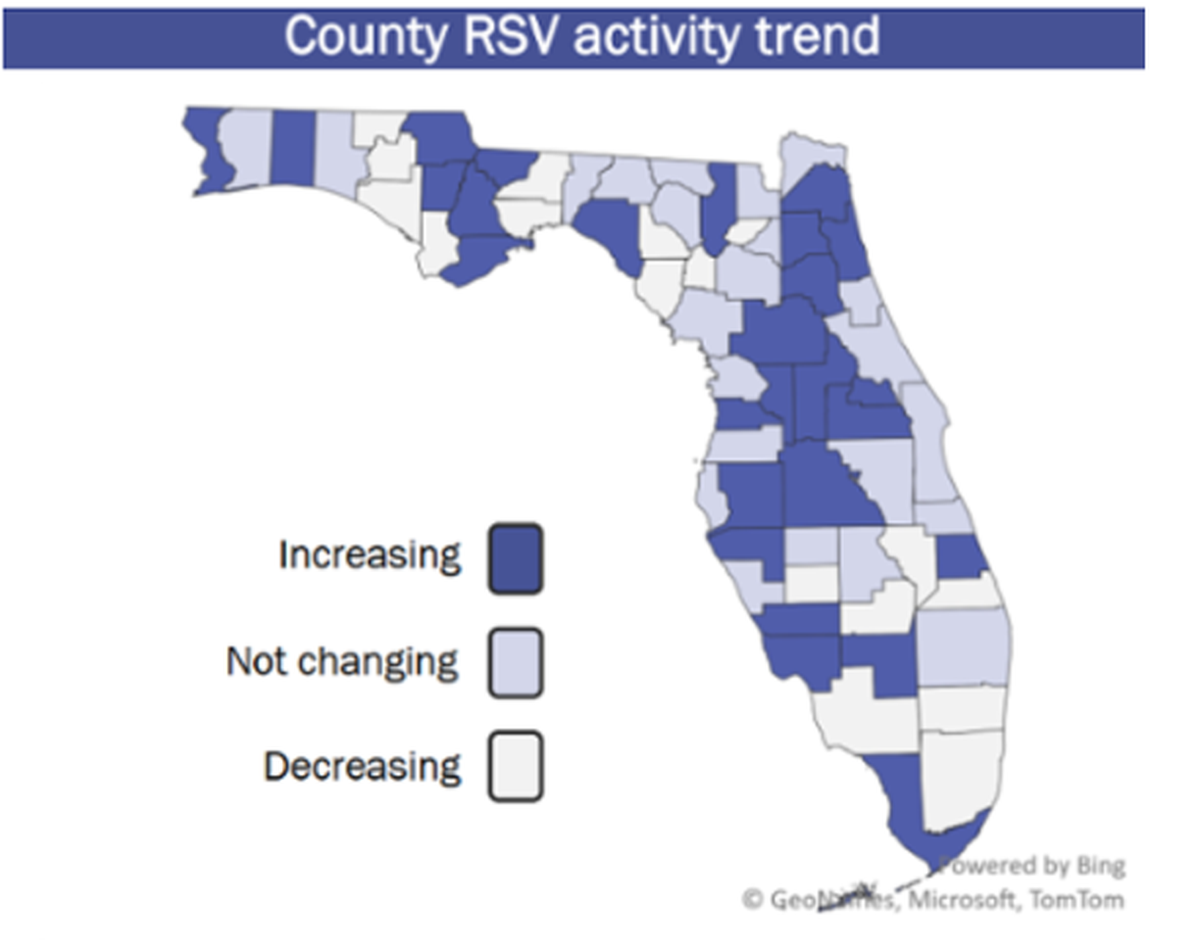
And infections are rising. The state saw an overall increase in RSV-related ER visits and admissions during the week of Nov. 10-16, according to the most recent report from the state’s health department.
While Monroe County and other parts of the state are seeing an increase in RSV cases, infections have trended down in Miami-Dade and Broward counties for the Nov. 10-16 reporting period.
RSV vaccines are available for people who are pregnant or are at least 60. Unlike flu and COVID vaccines, it’s not an annual shot but a one-time shot. RSV monoclonal antibodies also exist for babies and young children.
The CDC recommends vaccination for everyone 75 and older, the group at highest risk for contracting RSV, as well as for people who are at least 60 and have chronic medical conditions that make them more at risk for severe illness. The CDC says RSV vaccination rates are 40 percent for those 75 and older and 32 percent among those 60 to 74.
Tips to stay healthy during the holidays
South Florida doctors recommend that people take preventative measures to reduce their risk of getting sick this holiday season. This includes staying up-to-date with vaccinations, washing your hands frequently and avoiding others who are sick.
Here are some other tips:
▪ Consider wearing a mask in crowded places like at the airport or on the plane and avoid touching your eyes, mouth and nose. Make sure the holiday food you eat is properly cooked. And if your holiday plans include the possibility of sex, make sure to practice safe sex practices to reduce the risk of STDs.
▪ People who plan to travel outside of the U.S. should also pay attention to CDC health-related travel advisories to see what types of precautions they may need to take. The CDC, for example, has a health travel advisory issued for countries in Central and Eastern Africa that are experiencing an outbreak of the more severe form of mpox, formerly known as monkeypox. The public health agency also has mosquito-borne illness travel notices in place for several countries, including Cuba, Colombia and the Dominican Republic. Cuba, for example, is experiencing an outbreak of oropouche, also known as “sloth fever.”
READ MORE: Florida has more than 100 mpox cases. Now, a more severe form has been reported in U.S.
▪ The holiday season also is a time of more drinking. But make sure to drink enough water. Alcohol dehydrates your body and can “lower your immune system,” according to Farcy, the Mount Sinai doctor. Drinking too much might also lead to a nasty hangover or alcohol poisoning too.
Need a hangover cure?
The Mayo Clinic recommends drinking lots of water and some fruit juice, which can help replenish vitamin C and build up energy. Take pain relief medication for your headache and eat “bland foods” like toast and crackers, which can boost your blood sugar and settle upset stomachs, the clinic says.