‘Hospital within a hospital.’ Nicklaus Children’s opens new surgery hub with special tech
Nicklaus Children’s Hospital has opened a new surgical tower housing robotics, virtual reality and larger operating rooms to help staff perform complex pediatric surgeries and boost patient care.
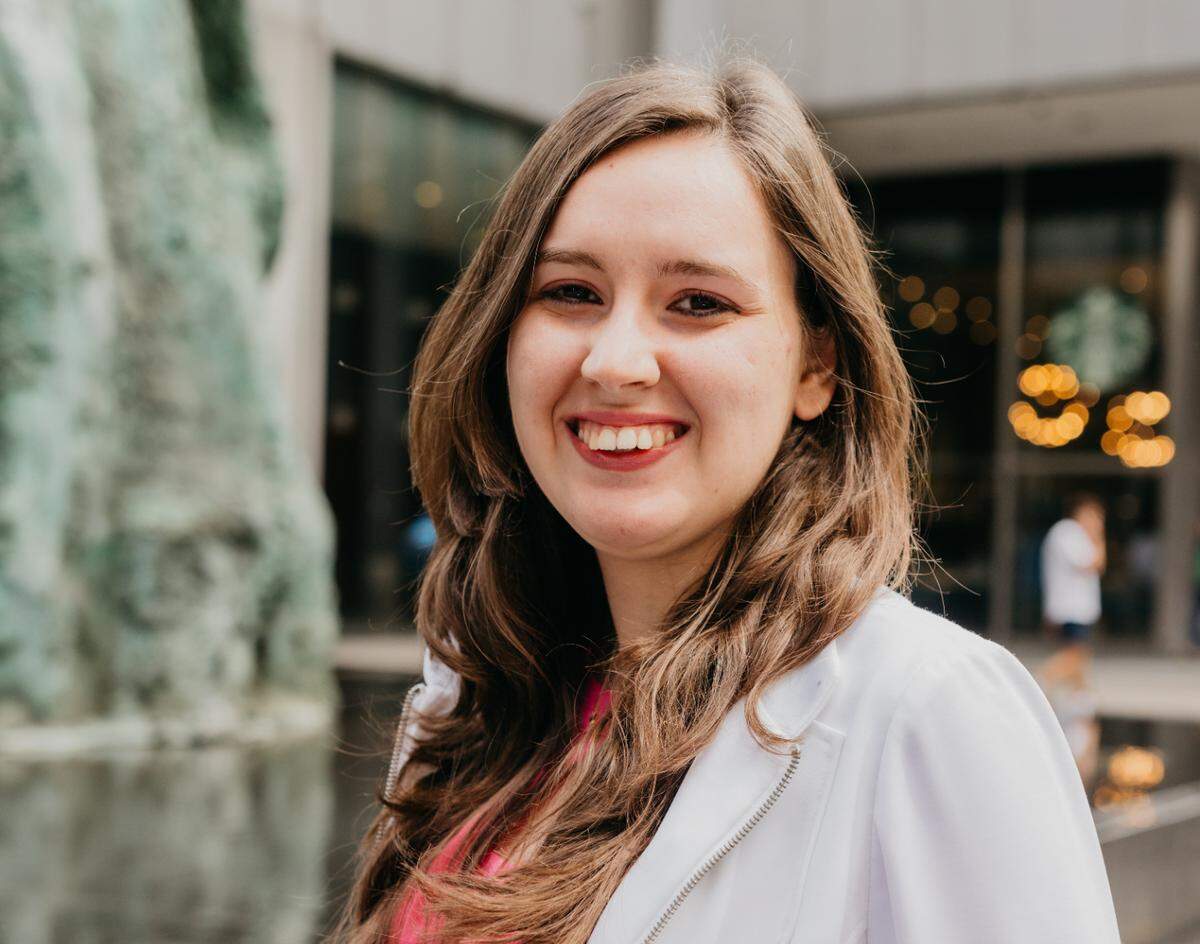
“This is really a hospital within a hospital,” said Dr. Chad Perlyn, a pediatric plastic and craniofacial surgeon who serves as senior vice president of surgical services at Nicklaus Children’s.
The recently opened 5-story Kenneth C. Griffin Surgical Tower was built on top of the hospital’s ER at the center of its main campus near South Miami. It houses the equipment and space surgeons need to perform elective and emergency procedures. This includes trauma care, surgical cancer treatments, and pediatric plastic and reconstructive surgeries including cleft lip and palate repair, as well as orthopedic, spine, brain and heart surgeries.
Some of the tower’s features include:
▪ Twenty-two pre-and post-op rooms.
▪ Eighteen inpatient rooms that can turn into ICU rooms, including two isolation rooms. The isolation rooms would be used to care for surgery patients with highly contagious illnesses and used for immunocompromised surgery patients, such as those with cancer, to protect them from outside germs.
▪ Twelve operating rooms, each measuring 800 square feet. The rooms are double the size of the hospital’s previous operating rooms. They come equipped with “precise hypothermic changing technology” that can rapidly cool and warm a patient’s body temperature during certain complex surgeries, helping to preserve organ and brain function.
▪ The tower is also equipped with virtual reality tools, robotics, and surgical imaging technology that can provide real-time 2D and 3D images for pediatric brain and spine surgeries.
Ken Griffin donation
The healthcare industry is seeing a push toward bringing more patient care — not just virtual telehealth visits — to the home. But complex surgeries will always need to be at the hospital and that’s what Nicklaus is preparing for, said Perlyn.
The children’s hospital performs an average of 16,000 surgeries a year and expects the new tower will not only help ramp up existing surgery capabilities, but also give it the ability to provide care for more severe cases.
READ NEXT: Blasting cancer with 120 drugs? Why FIU and a Miami children’s hospital tried it
The facility is like a tower of glass, with floor-to-ceiling windows. There’s also a garden to help promote “an environment of serenity and calm for patients and their families when they come into the tower for one of the most stressful times that they’ll have, which is their child’s surgery,” Perlyn said.
The 131,000 square-foot facility saw its first surgery in late September. The building is named after Citadel CEO Ken Griffin, a recent Miami transplant who donated $25 million to the children’s hospital last year to help fund the tower. His donation — one of the largest, single donations made to Nicklaus in its more than 70-year history — is also helping support the hospital’s four major institutes related to the brain, cancer and blood disorders, the heart and orthopedics.
READ MORE: Virtual reality, facial recognition. How AI is reshaping healthcare in South Florida
The hedge-fund billionaire, who moved his financial empire to Miami, has made hefty donations across South Florida, including $5 million to Miami’s Underline and $50 million for cancer research and treatment at Sylvester Comprehensive Cancer Center at the University of Miami.
“Nicklaus Children’s Hospital is a world leader in healthcare,” Griffin, who was born in Daytona Beach and attended middle and high school in Boca Raton, said last year during a news conference announcing his Nicklaus donation. “I am honored to support this mission.”
The surgery tower is connected to other Nicklaus facilities, including the hospital’s cardiac intensive care unit, and has a helicopter pad on the roof.
“That’s the ultimate beacon of hope — the helicopter coming — and knowing it’s not just bringing a hurt or sick child” but it’s coming to Nicklaus, for a chance at saving that child’s life, said Perlyn.