
Rising costs of care could strain funding for Florida program for brain-damaged kids
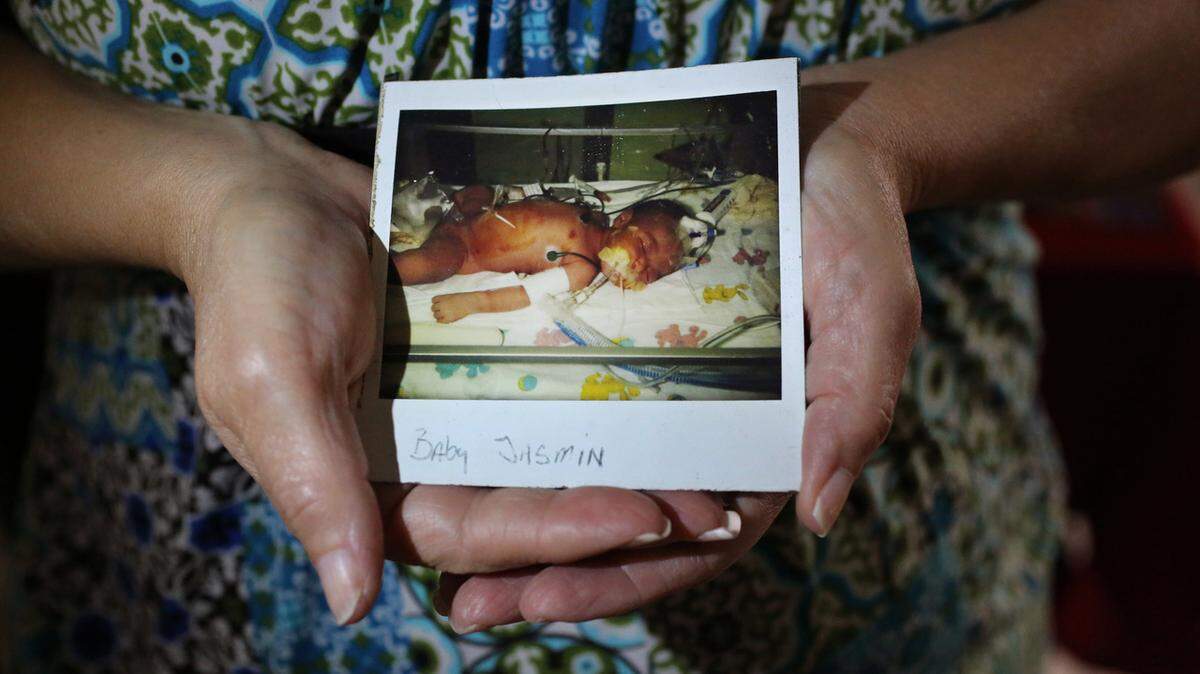
Facing withering criticism from parents, advocates, lawmakers and insurance regulators, Florida’s compensation program for children born with catastrophic brain injuries opened its bank account three years ago and improved the lives of some of the state’s most disabled children.
But the enhanced care came at a significantly higher price. And the Birth-Related Neurological Injury Compensation Association now has a different problem: it’s spending considerably more than it brings in, and could run into financial trouble without an infusion of new cash.
NICA, as it is called, was created by the Legislature in 1988, reacting to dire warnings that obstetricians would flee the state without reductions in their malpractice insurance. The law forbids families from suing their doctor when a child is born with severe brain damage, often as the result of oxygen deprivation. In return, NICA is supposed to provide medical care, supplies, therapy and nursing for the life of the child.
For most of its existence, parents complained, NICA administrators kept a tight rein on spending, refusing payments for items as small as nutritional supplements and as large as wheelchair-accessible vans.
But in 2021, reacting to a series of stories in the Miami Herald and the investigative outlet ProPublica, the Legislature unanimously approved a far-reaching reform that prioritized the welfare of children and adults in the program – not the interests of doctors and insurers.
State insurance administrators also cleaned house at the Tallahassee-based program, terminating the longstanding board of directors and allowing the 20-year executive director to resign. For almost all of NICA’s tenure, they had sought to protect the interests of insurers and medical professionals while nickel-and-diming struggling families.
At a meeting Thursday of NICA’s board of directors, a handful of parents expressed gratitude to the program’s new leadership. “There has been an incredibly positive amount of change,” said one parent, Dan Bookout. “We are very, very happy about that.”
Said another parent, Jackie Amorim: “You hear so much about how much that last bill cost us.” But, she added: “This is a friendly reminder that the previous administration was pretty abusive. “It’s not that we are suddenly more demanding. It’s not the fault of parents, or that we are getting way too many benefits…The program wasn’t paying well.”
NICA isn’t in danger of collapsing. Far from it. The program still has reserves of $1.4 billion. But program actuaries calculate liabilities of $1.6 billion, based upon what it will cost to serve families for the expected lifetime of participants.
NICA sustains itself through two primary sources: assessments on doctors and hospitals and through investing the money it already has. Obstetricians who participate in the program pay $5,000 in annual fees. Other doctors licensed in the state are required to pay $250 each year to the program. Hospitals pay $50 for each child that is delivered in their maternity department. Insurers, who have a seat on the NICA board, contribute nothing.
The assessments have not changed since NICA’s creation, though medical expenses – and, now, benefits as a whole – have increased dramatically. The program is taking in $36.8 million in assessments each year, but spending $72 million, Executive Director Melissa Jaacks said at the board meeting Thursday.
“We are sitting on a lot of cash,” Jaacks told the Herald Friday morning. “We could live on that cash for a long time. But somewhere down the road we will run out of cash.” It could be decades before that happens, Jaacks said, but added: “that’s a big hole to get out of.”
To complicate matters, if NICA’s liabilities reach a certain threshold, a state law could trigger the program’s closure to all new claims. “We are very, very close to breaching the threshold,” Jaacks told board members.
Jim DeBeaugrine, the NICA board’s chairman, said the gap between spending and assessments was foreseeable. “Some of this is just due to the program [now] working the way the Legislature intended all along,” he said.
At the board meeting Thursday, neither Jaacks nor the board suggested trimming any of the new benefits lawmakers approved for families – some of whom must provide 24-hour care to children who require respirators and feeding tubes to survive.
Jaacks proposed a slate of possible new revenue sources, including small increases to what doctors and hospitals pay in annual assessments. But NICA leaders, and the families they serve, all agreed it will be a challenge to convince doctors and hospital administrators – as well as the lawmakers they lobby – to approve such a hike.
Jaacks told the board the Legislature also could reconsider a provision that exempts teaching hospitals, public hospitals and charity births from yearly assessments. Such exemptions result in about $7.2 million in yearly lost revenue, Jaacks told the board. A little more than 20 percent of the 1,451 claims filed over the life of NICA arose from births at seven hospitals throughout Florida that are exempt, including Jackson Memorial, UF Health Shands and Tampa General.
“I’ve never seen a physician yet who likes increased fees,” said Jay Parrish, the father of one of NICA’s oldest participants, whose family founded a hospital in Brevard County. “There will be a pushback.”
This story was originally published September 3, 2024 at 5:30 AM.