Is this silent killer in your home? These are the signs of carbon monoxide poisoning
Carbon monoxide is a dangerous and silent killer.
The colorless and odorless toxic gas kills hundreds of people every year and sickens thousands more, according to the U.S. Centers for Disease Control and Prevention. Most recently, 22 people were hospitalized following a possible carbon monoxide leak at a West Miami-Dade condo.
READ MORE: Carbon monoxide hospitalizes 22 condo residents, fire rescue says
The poisonous and invisible fumes, also known as CO, comes from the burning of gas, wood, charcoal and other fuels. When you turn on a car or a truck, it releases this fume. Fuel-burning appliances such as gas stoves, ovens, water heaters and grills can also produce this gas. But it’s difficult to know when you have a dangerous leak.
You can’t taste or smell CO, making it difficult to detect. Breathing in the fumes can make you sick, often causing fatigue, headaches and other flu-like symptoms. High levels of carbon monoxide can kill in minutes, according to the U.S. Environmental Protection Agency. That’s why it’s known as the “invisible killer.”
Here’s what to know:
What type of home appliances can release carbon monoxide?
Besides cars and trucks, there’s a variety of household fuel-burning appliances that produce carbon monoxide, including generators, gas stoves and ovens, oil and gas furnaces, gas dryers, grills, and wood stoves, according to the EPA. Basically, if your appliance uses gas, it releases CO.
That’s why experts say not to leave your car running inside a garage and why you should never use a portable generator inside a home after a storm. A generator, for example, can quickly create deadly levels of CO, which can take hours to dissipate, even after the generator is turned off, according to the EPA.
It’s also important to make sure your appliances are vented properly and that they’re not malfunctioning or producing any leaks. The CDC recommends having your heating system, water heater and any gas, oil or coal burning appliances serviced by a qualified technician every year. And pay attention to the appliance’s instructions. If it says not to use the appliance inside, then don’t!
Symptoms of carbon monoxide poisoning
Carbon monoxide makes it difficult for you to breathe. It reduces the ability of blood to carry oxygen to your organs, which means your brain and blood won’t get enough oxygen. And that causes a variety of symptoms including headaches, confusion, nausea, chest pains, fatigue and weakness. If you inhale a lot of CO, you could pass out and suffocate within minutes, according to the Cleveland Clinic.
Depending on how long you’ve been inhaling carbon monoxide, you might get better shortly after stepping outside and breathing in fresh air. Sometimes, you might need to don an oxygen mask to breathe in pure oxygen.
“In high concentrations of carbon monoxide, it can take fewer than five minutes to get carbon monoxide poisoning,” according to the Cleveland Clinic. “Under lower concentrations, it can take an hour to two hours to cause poisoning.”
If you think you have carbon monoxide poisoning, stop using the appliances you think are causing the fumes, go outside and call 911. And contact your doctor, too.
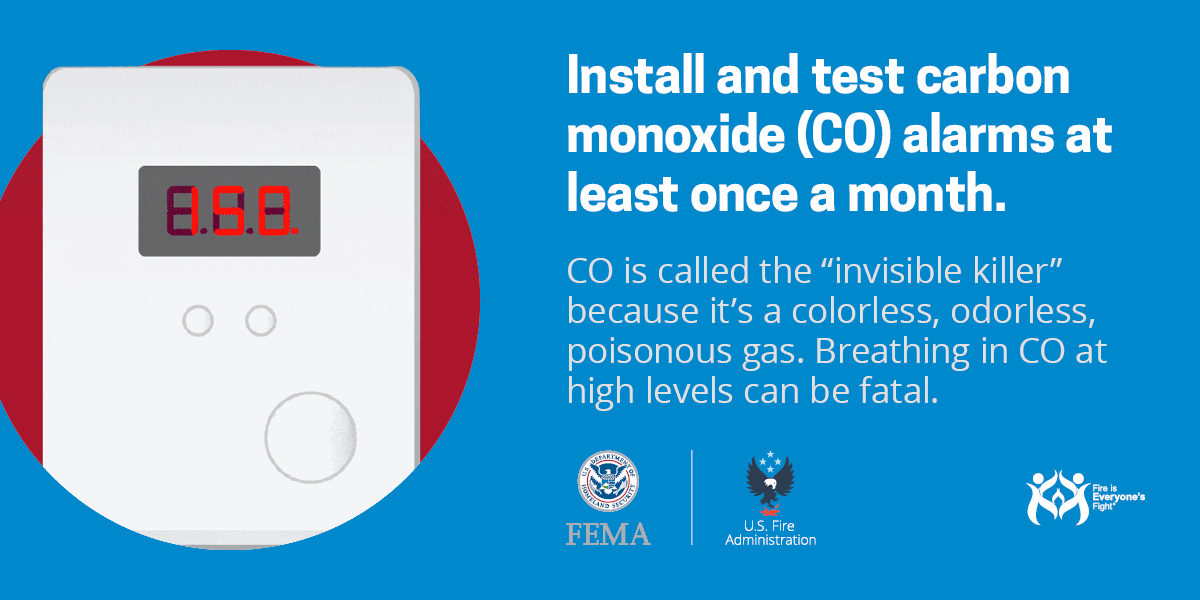
How to detect and reduce the risk of carbon monoxide poisoning
Besides making sure your fuel-burning appliances are routinely inspected, and making sure you’re using the appliances properly, it’s a good idea to invest in a carbon monoxide detector. This is different from a fire alarm (though you should have this too).
Experts recommend installing a carbon monoxide alarm in every room that contains fuel-burning appliances. The EPA and the U.S. Consumer Product Safety Commission recommends people install the CO alarm on each level of the home and near bedrooms. Make sure the alarm is loud enough to wake you up.
And don’t just buy the cheapest one. The EPA recommends using Consumer Reports, the American Gas Association, and Underwriters Laboratories to help you pick a CO detector. And before you buy one, make sure the device is certified to the most current Underwriters Laboratory (UL) standard 2034 or the International Approval Services (IAS) 6-96 standard.
This story was originally published June 4, 2024 at 10:57 AM.