Is social media making your kid sick? A Miami children’s hospital is taking action

Depression. Addiction. Eating disorders.
A “mental health tsunami” is affecting kids and teens. And research shows a correlation between the internet, social media and an increase among children for suicidal thoughts and other health-related concerns, experts say.
That’s why Nicklaus Children’s Hospital near South Miami is calling on parents to help protect their kids from the dark side of today’s digital world, including cyberbullying, predators, pornography and other content that can affect a child’s self-esteem, health and safety.
On Wednesday, the children’s hospital with a series of partners, launched Safe+Sound, a campaign to help parents create digital safeguards for their families. The initiative was announced on the same day Congress once again grilled big-tech executives on the risks that TikTok, Snapchat and other popular social media platforms pose on kids and teens. Florida lawmakers are also proposing a bill to ban kids under 16 from popular social media platforms.
READ MORE: Why a proposed law to keep Florida kids off social media would face resistance in court
The key takeaway to social media concerns

“There is no right age to give your child a phone or when you should let them have access to social media or video games. There is no one-size-fits-all answer for every child,” Dr. Jennifer McCafferty-Fernandez, Nicklaus Children’s senior vice president of external affairs, said at Wednesday’s news conference. “But we do know one thing: Children’s minds undergo development for several years from birth into young adulthood. Their exposure to the internet, social media, video games and other technologies can be extremely harmful to their psychological and behavioral health.”
About 72% of teens believe social media has a negative effect on their emotional and mental health, the hospital said, with data showing that teens who spend more than three hours daily on electronic devices have a 34% increase of likely experiencing suicidal ideation or attempts.
The initiative’s purpose
▪ The goal: The campaign seeks to help raise awareness among families and provide best practices to help with their children’s digital journey. It’s part of the mission of the newly announced Digital Safety Alliance, which includes Nicklaus Children’s and the nonprofit Digital Health Institute for Transformation. Besides spreading awareness, the alliance is focused on researching how digital technology affects kids and what can be done to reduce the risk, while maximizing the benefits of technology.
▪ The start: A new website with information and resources, including age-appropriate guidelines, to help parents and children navigate smartphones and technology safely. The sites also provides information on software parents can use to monitor their child’s phone such as Apple Screen Time, Google Family Link, Norton Family and Circle with Disney. “We wouldn’t give our kids the keys to a car and expect them to drive on the highway without appropriate instruction and licensing,” said Leyan “Lee” Phillips, a father of two, co-founder of the nonprofit Digital Health Institute for Transformation and a board member of the Digital Safety Alliance. “So lets explore taking a similar approach to digital safety before we let them loose on the digital highway.”
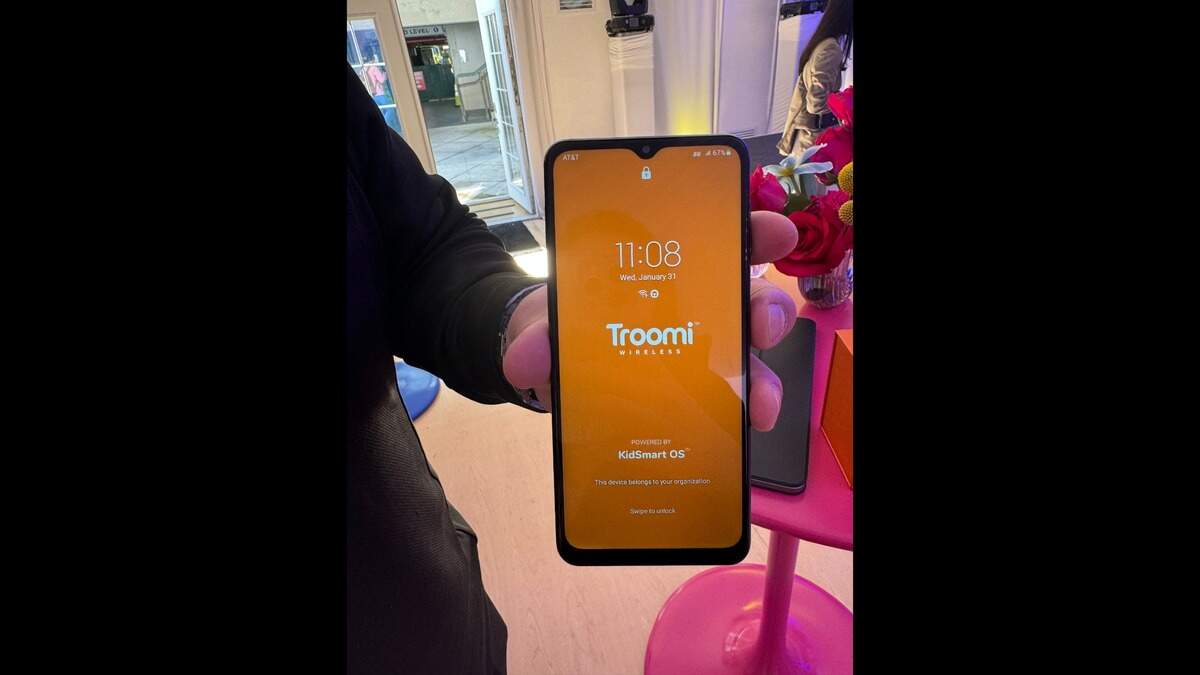
▪ Seek alternatives: Besides monitoring tools for existing devices, the website also recommends parents find alternatives, such as Troomi Wireless, a child-safe phone that lets parents control who can call and text with their children and what websites and apps their kids can use. Troomi CEO Bill Brady, a father of five, spoke at the conference and founding partner of the Digital Safety Alliance. “Teenagers, like 20 years ago, are going through the difficult tasks of adolescence, looking for an identity, sexuality, self esteem, relationships,” said Dr. Marisa Azaret, director of clinical psychology at Nicklaus Children’s. The difference is they’re experiencing it under the eyes of a larger audience.
Red flags to watch out for
For Michelle Appelrouth-Rader, a former high school teacher and a parent of three kids, finding a balance between using the internet and safety came with communication.
“We’ve been very open with our children about social media, the good, the bad and the ugly,” said Appelrouth-Rader, who is part of the hospital’s Family Advisory Council. She and her husband decided to give their 13-year-old daughter, Harlee, a phone in middle school because they didn’t want her walking alone after school without any form of communication. Their 11-year-old twin boys will get a phone in middle school, too.

While Harlee still isn’t allowed to have social media, she can watch YouTube shorts, a “compromise” that lets her keep up with what’s trending, without the risk of cyberbullying and other interactions that platforms like Snapchat have, said Appelrouth-Rader. Once she starts high school, there will be a larger conversation on social media.
The former teacher said parents also need to be aware about what’s happening at school and at home.
“You need to be proactive because children often don’t how how to necessarily come to you or even put words to their feelings and put words to what is going on or they may be embarrassed,” Appelrouth-Rader said. “So you want to make sure that you’re actively engaging with your child on a regular basis, reassuring them that they can come and talk to you.”
Azaret, the Nicklaus psychology expert, said education, prevention and communication are keys to ensuring your child has a healthy relationship with technology. She recommends that parents look for any red flags with their child, including isolation, changes in sleep and academic achievements, unusual comments their child might make and a change in friends.
“You know your child better than anyone else,” Azaret said.
Know more
To learn more about the initiative and to find resources, visit digitalsafetyalliance.org
This story was originally published January 31, 2024 at 5:54 PM.