$35 for insulin? What to know about Eli Lilly’s price slash for the diabetic medicine
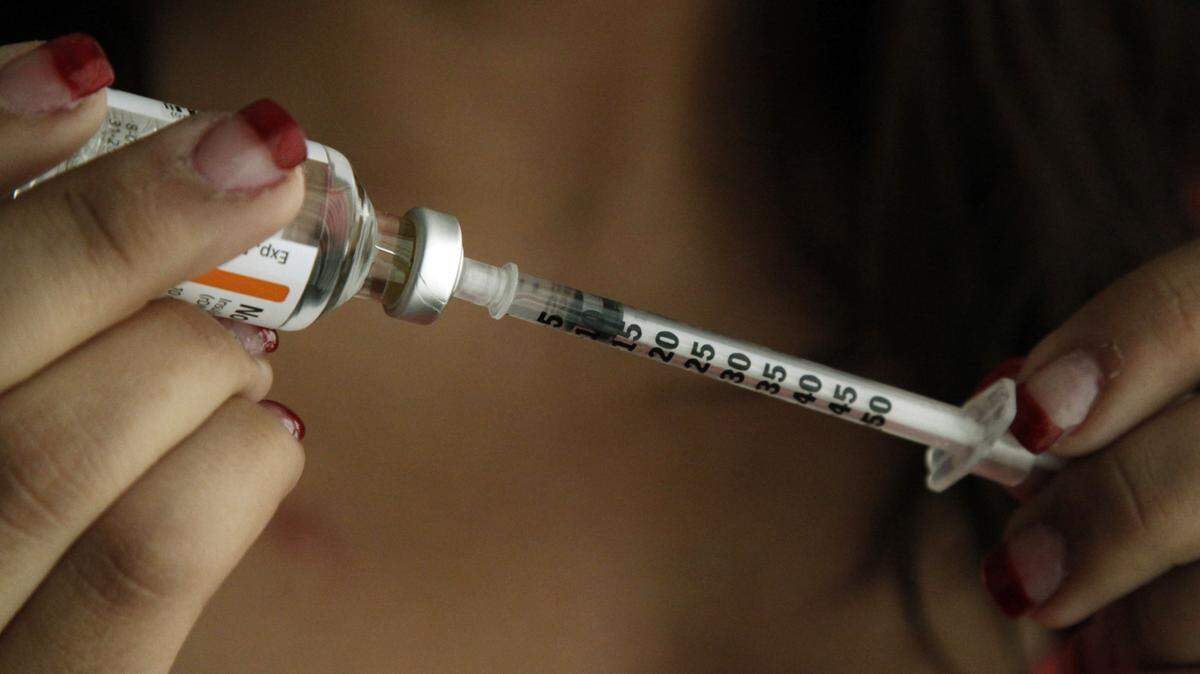
Eli Lilly plans to slash the cost of some of its most popular insulin drugs later this year for people with and without insurance, in a move that could make the lifesaving medication more affordable for some patients living with diabetes.
The company is capping the out-of-pocket cost of its insulin at $35 a month for people who have private insurance or Medicare and for people without insurance who are enrolled in its Insulin Value Program, CNN reports.
Lilly is also planning to cut the list prices for some of its most popular, albeit older, insulin products by 70% or more, starting in October.
Here’s what to know:
Which insulin will be cheaper?
Humalog, Lilly’s most commonly prescribed insulin, and another insulin product, Humulin, will be cheaper later this year.
A 10-milliliter vial of Humalog will go from a list price of $274.70 to $66.40, The Associated Press reports, while the same amount of Humulin will see its list price drop from $148.70 to $44.61.
The company is also reducing the list price of its authorized generic version of Humalog to $25 a vial starting in May, down from a current list price of $82.41 for a vial. The company says this will make it the lowest list-priced mealtime insulin available.
List price is how much people without insurance or those who have a high deductible insurance plan usually pay. But those with insurance might not notice a drop in price immediately, or at all. “Lilly was already charging insurers only a fraction of its high list price when accounting for rebates and discounts,” according to The New York Times.
For people without insurance, you can download the Lilly Insulin Value Program savings card at InsulinAffordability.com to receive insulin for $35 per month. It’s also worth noting that there is a $35 monthly cap on the out-of-pocket cost of insulin for seniors enrolled in Medicare due to the recently passed Inflation Reduction Act.
Price of insulin has skyrocketed
Insulin helps people with diabetes control their blood sugar.
There are about 37.3 million people, or more than 1 in 10, in the United States who have diabetes, according to the Centers for Disease Control and Prevention. Another 96 million U.S. adults — about 1 in 3 — have prediabetes.
Those who have type 1 diabetes, which stems from the body’s immune system destroying the insulin-producing cells in the pancreas, a condition normally diagnosed in young people, need to take insulin every day to survive. Those with type 2 diabetes, which is primarily lifestyle-related and develops later in life, also may have to take insulin.
The retail cost of insulin has risen significantly through the years. In 1999, a vial of Eli Lilly’s Humalog cost $21 a vial. By 2019, the cost of that same vial was $332, a more than 1,000 percent increase, according to a report from “PBS NewsHour.”
Rationing of insulin
The higher costs have led some people with diabetes to ration their insulin. An estimated 1.3 million adults rationed the medication’s use in 2021, or 16.5 percent of those who had been prescribed insulin, according to a November study published in the Annals of Internal Medicine
Lilly’s decision to reduce the cost of some of their insulin comes amid pressure from lawmakers and critics to control mounting prices.
“We applaud Eli Lilly for taking the important step to limit cost-sharing for its insulin, and we encourage other insulin manufacturers to do the same. While we have been able to help achieve significant progress on the issue of insulin affordability, including Medicare’s new out-of-pocket cost cap on insulin, state copay caps, and patient assistance developments from insulin manufacturers, we know that our work is not done, said Charles “Chuck” Henderson, CEO of the American Diabetes Association, in a statement.
“We will work to ensure that Eli Lilly’s patient assistance program is benefiting patients as intended and continue the fight so that everyone who needs insulin has access.”