Dengue is not the only virus this mosquito carries. Here are some of the other diseases
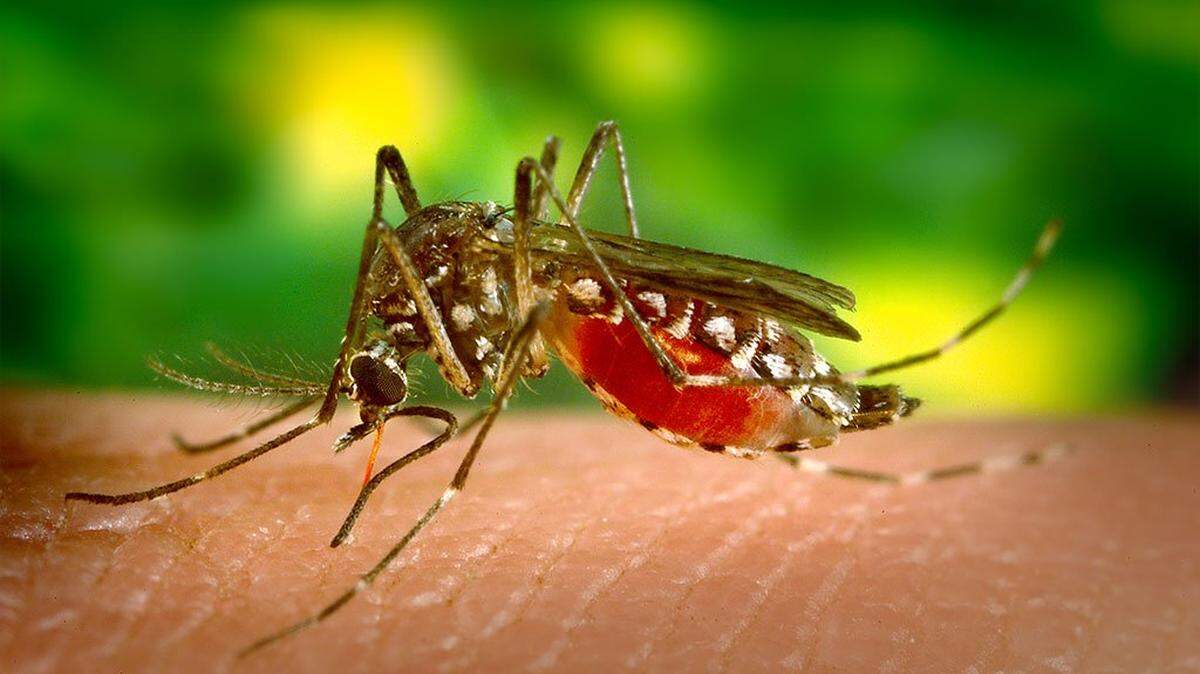
As if summer in South Florida didn’t already come with scorching heat and unrelenting humidity, locals know you’ve got to watch for mosquitoes too.
Health authorities in Miami-Dade County confirmed Monday this year’s first locally transmitted case of dengue, issuing a mosquito-borne illness advisory. The virus typically has mild symptoms but in its severe form can be life-threatening.
READ MORE: Miami-Dade has its first confirmed dengue case in 2022
The blood sucker that carries dengue — Aedes aegypti — is also known for spreading other viruses in the region such as Zika, chikungunya and yellow fever.
Here’s what to know about these diseases, according to the Centers for Disease Control and Prevention:
Dengue
- What it is: Dengue viruses are spread to people through the bite of an infected Aedes aegypti or Aedes albopictus mosquito. Almost half of the world’s population, about 4 billion people, live in areas with a risk of dengue.
What to know: Dengue outbreaks occasionally occur in the continental United States, but they are more common in the U.S. territories of Puerto Rico, the U.S. Virgin Islands and American Samoa. Nearly all dengue cases reported in the 48 contiguous US states were in travelers infected elsewhere. In the U.S., local dengue outbreaks most recently occurred in Hawaii in 2015, Florida in 2019 (Miami-Dade County) and 2020 (Monroe County), and Texas in 2013.
Symptoms: The symptoms of dengue range from mild to severe. Common symptoms include fever, nausea, vomiting, rash and aches and pains, although more severe cases may include belly pain, tenderness, vomiting multiple times in a day, bleeding, and feelings of restlessness, tiredness or irritability. Severe cases can lead to hospitalization and even death.
Chikungunya
- What it is: Chikungunya virus is primarily transmitted to people through the bite of an infected mosquito, mainly Aedes aegypti and Aedes albopictus. Prior to 2013, cases and outbreaks had been identified in Africa, Asia and Europe. In late 2013, the first local transmission of chikungunya virus in the Americas was identified in Caribbean countries and territories.
What to know: Before 2006, the chikungunya virus was rarely identified in U.S. travelers. Beginning in 2014, cases were reported among U.S. travelers returning from affected areas and local transmission was identified in Florida, Texas, Puerto Rico and the U.S. Virgin Islands. Only two suspected cases have been reported so far this year in Florida, state data shows.
- Symptoms: Most people infected with chikungunya virus will develop some symptoms, which usually begin three to seven days after an infected mosquito bites you. The most common symptoms are fever and joint pain but it may also cause headache, muscle pain, joint swelling or rash. Death from chikungunya is rare. People at risk for more severe disease include newborns infected around the time of birth, older adults and people with high blood pressure, diabetes or heart disease.
Zika
- What it is: Zika spreads through infected Aedes aegypti and Aedes albopictus mosquitoes. Zika can also be transmitted through an infected pregnant woman to her fetus, as well as through sex and throuh blood transfusions. There have been no local U.S. cases since 2017, and none in US territories since 2019. In 2016, Miami-Dade had an outbreak of locally transmitted Zika cases.
- What to know: Zika can be particularly risky for pregnant women, because it can cause severe brain defects in unborn babies, as well as miscarriage and stillbirth. As there is no Zika vaccine, the best solution is to prevent mosquito bites early on. If you have Zika, the CDC recommends resting and staying hydrated.
Symptoms: The most common Zika symptoms are rash, joint pain, red eyes, muscle pain, fever, and headache. These can last for a few days to a week, though symptoms are typically not fatal and usually don’t result in hospitalization.
This story was originally published July 18, 2022 at 9:26 PM.