
Can’t find a doctor? Florida facing physician shortage amid growth, aging population
If it’s taking you longer to get in to see a doctor for a checkup or health issue, you’re not alone. A shortage of physicians in the U.S. is making it harder to get appointments and the shortage is likely to get more acute.
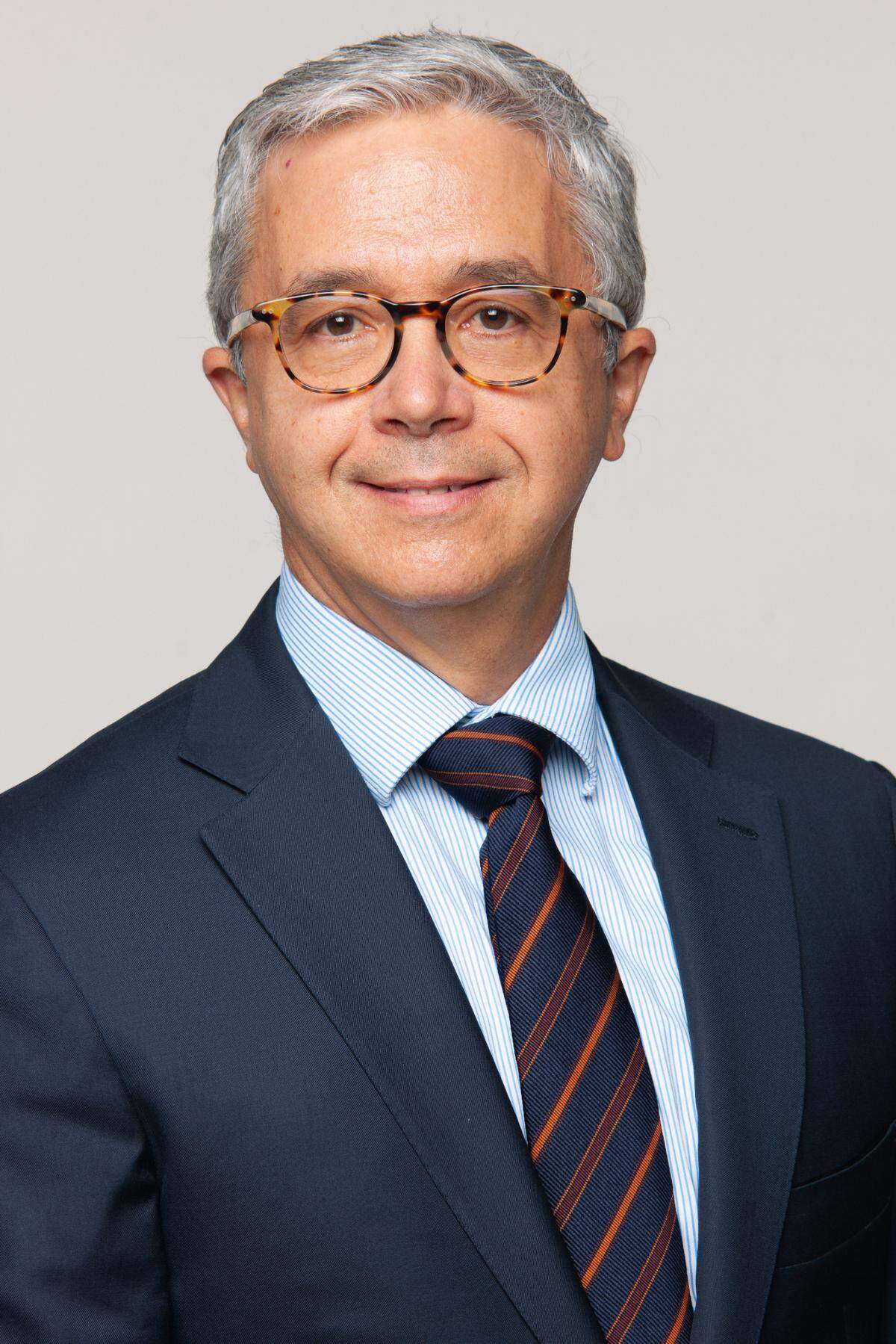
“South Florida already has a shortage of physicians,” said Dr. Juan Carlos Cendan, interim dean of the Herbert Wertheim College of Medicine at Florida International University. “Today, we have about 55,000 doctors in the state. And we should have about 59,000.”
That means getting an appointment with a physician or finding a specialist will take longer, especially with more people moving to the state and the population getting older.
“That’s a major concern in Florida because of general population growth, and growth in the over-65 population, which has more medical demands,” Cendan said. By 2035, the over-65 population will grow by 32 percent, he said. In 2021, 21 percent of Florida’s population was 65 and older, according to Census Bureau estimates.
COVID’s impact on doctors
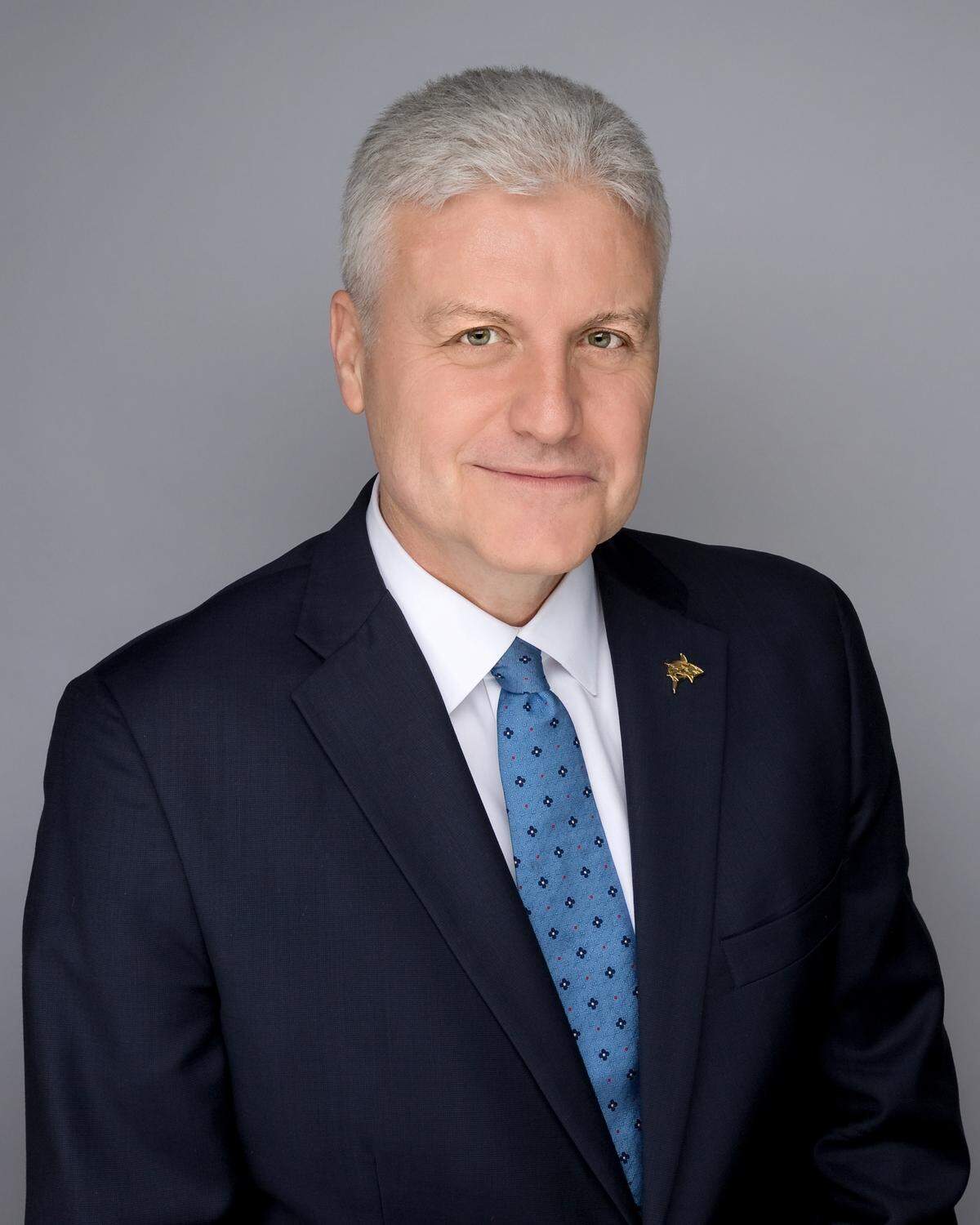
Florida’s population also is expected to grow, with more than 259,000 moving to the Sunshine State in 2021 alone. “You have a massive self-migration of citizens coming from Northern states. ... So our growth here in terms of population has increased significantly,” said Dr. Johannes Vieweg, dean of the Dr. Kiran C. Patel College of Allopathic Medicine at Nova Southeastern University in Broward.
The global pandemic also is contributing to a physician shortage.
“The last thing that we shouldn’t really underestimate is COVID,” Vieweg said. “So post COVID, as a fallout, we see that more and more physician practices are closing because of exhaustion because of the shift of healthcare away from specialties and more toward COVID treatments.”
Fewer physicians means that people are relying on other types of health professionals for care, or in some underserved areas, going without.
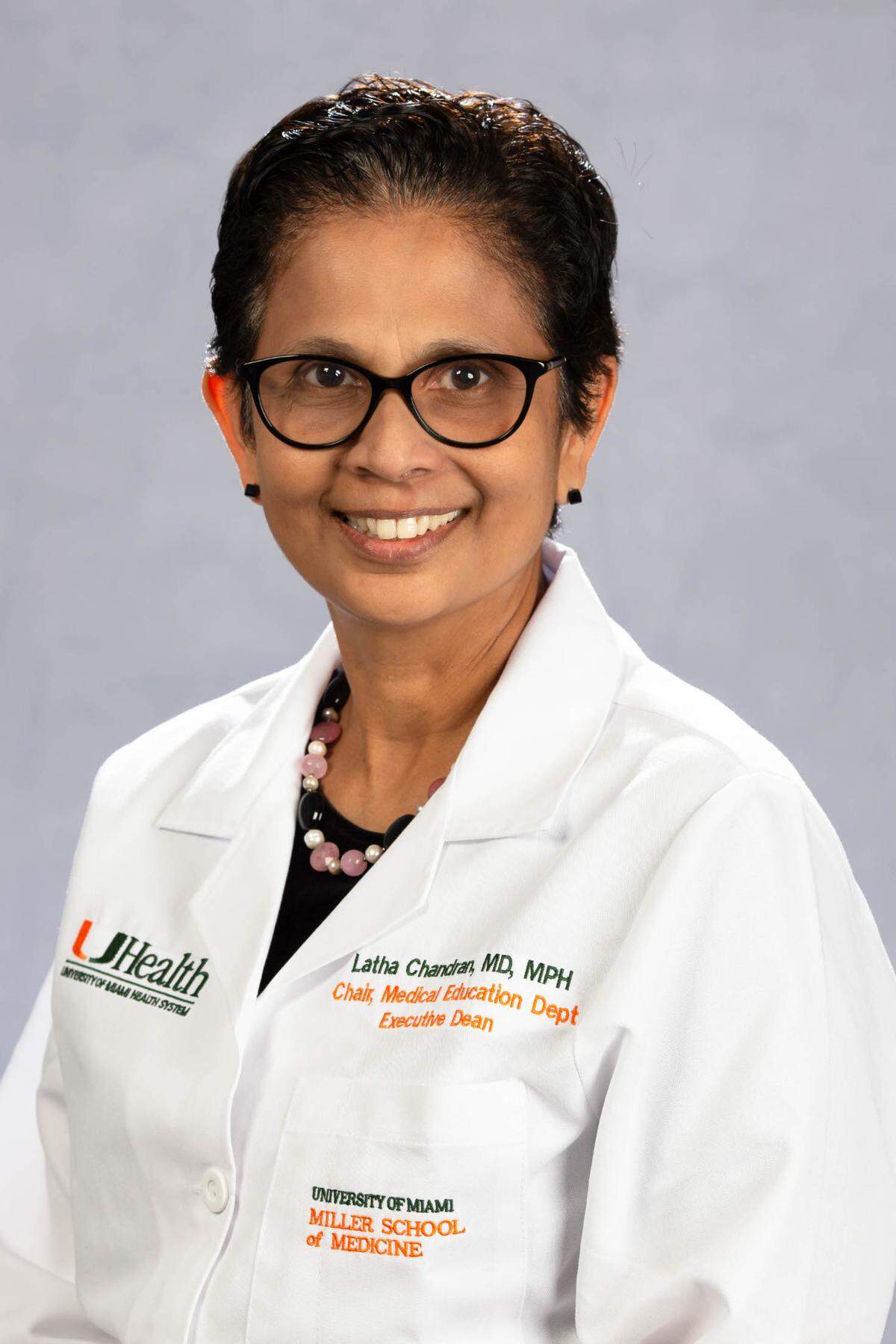
Dr. Latha Chandran, executive dean of the University of Miami Miller School of Medicine, said in the last 10 or 20 years, people have gradually looked for sources other than physicians to take care of their health. “Nurse practitioners, physician’s assistants, pharmacists — all of those people will have a larger role in providing healthcare, but that still will not be sufficient,” she said.
Rural, underserved city neighborhoods face acute shortages
Economically disadvantaged and remote areas also are disproportionally seeing a decline in doctors.
“People want to talk about a doctor shortage, but far more important ... is when you look at statewide statistics, there are areas of Florida that have an absolute surplus of doctors, including primary care doctors, and they tend to mask the fact that rural underserved America and urban underserved America have a much greater doctor shortage,” said Dr. G. Richard Olds, president of St. George’s University in Grenada, which supplies the U.S. with more first-year residents than any other medical school. About 70 percent of its students are U.S. citizens and in 2021, 120 of its graduates started residencies in Florida.
About 70 percent of current U.S. medical school graduates specialize and only 30 percent go into primary care, making the primary care shortage not only a problem today, but a problem that will get worse over time, Olds said.
It’s a complex issue and the answer is not as simple as opening the doors to more medical students. Medical students must be matched with available residency slots and there is intense competition between medical schools for the limited rotation slots available in hospitals, Vieweg said.
Cutthroat competition for residencies
“Somebody told me in South Florida it’s like Beirut here,” he said. “You’re competing, you’re fighting for student slots here quite a bit and that competition has been increasing over the last couple of years.
Medicare largely pays for graduate medical education — or residency slots — in the United States, and the slots have not kept pace with population growth, Olds said.
“The biggest reason that Florida has a problem is that it has too few residency slots,” he said. “Florida has probably half the residency slots per capita that New York and New Jersey have.”
The proposed bipartisan Resident Physician Shortage Reduction Act of 2021 would add 14,000 new graduate medical education slots funded by Medicare. “So, at the national level, people are beginning to recognize that the doctor shortage is best addressed by increasing the number of graduate medical education slots in the United States,” Olds said.
Too few U.S. medical school slots
Competition for medical school slots also is fierce. There are 50,000 qualified candidates for medical school every year in the United States, meaning they have a high enough grade-point average and standardized test score to do well, but only 26,000 are accepted into U.S. medical schools, Olds said. Many of those not accepted seek schools outside the U.S.
According to the Association of American Medical Colleges, about 35 percent of Florida doctors are international medical school graduates. About half of those are U.S. citizens, Olds said.
Some medical schools are trying to integrate patient care earlier in their curriculum to help alleviate the physician shortage.
The University of Miami’s Miller School of Medicine is one of about 30 schools nationwide to participate in the Consortium of Accelerated Medical Pathway Programs, Chandran said. Instead of a student completing four years of medical school before entering graduate medical education, the student starts the residency program after three.
“We are very aware of the fact that we need to produce more doctors faster,” she said.
This story was originally published March 16, 2022 at 6:00 AM.