Breast cancer vaccine would be a ‘game-changer.’ Clinical trials are happening in Miami
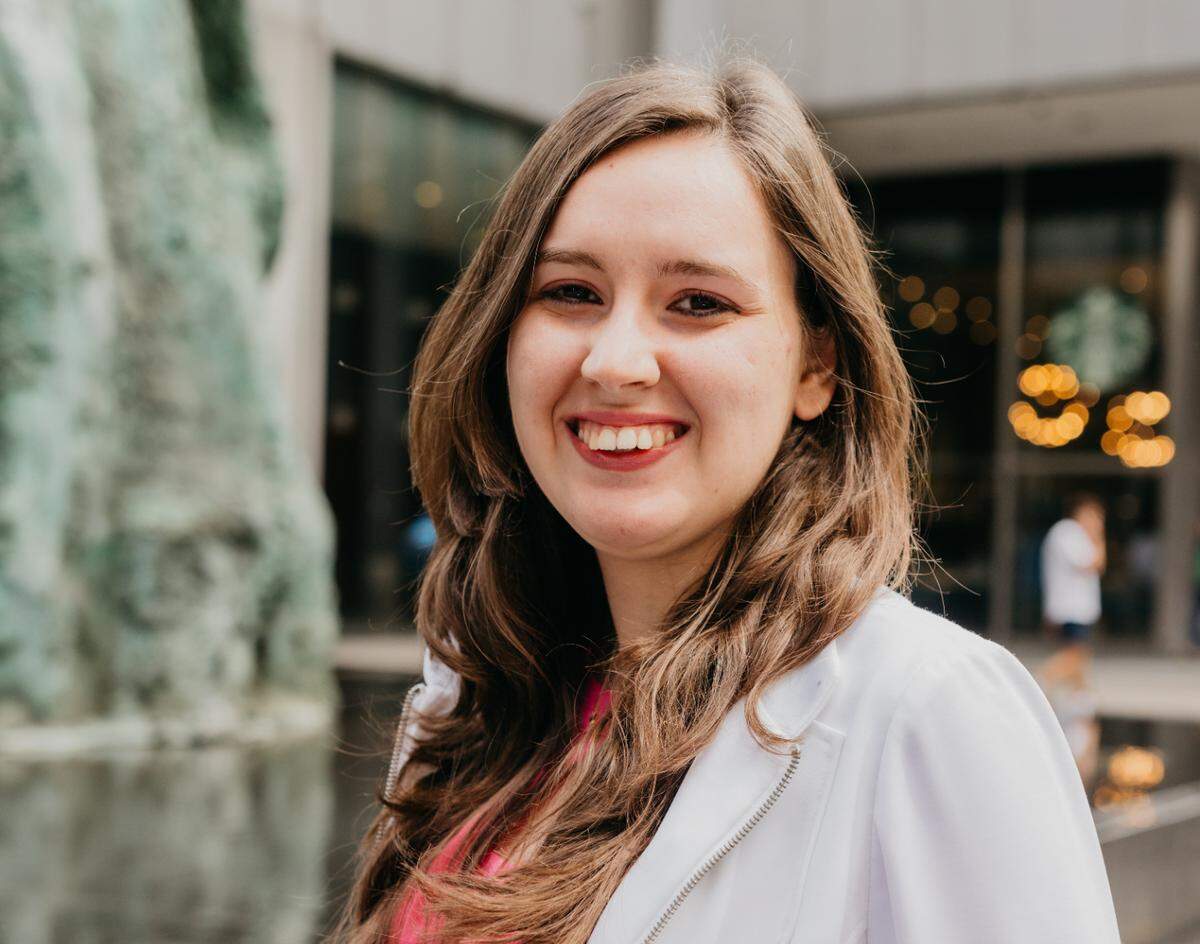
Tracey Hecht was nursing her newborn when she noticed something strange. There was blood in her breast milk.
While this sometimes happens during breastfeeding, it’s a red flag that should be looked at by a doctor. After speaking with her mom, a retired obstetrician-gynecologist, Hecht made a doctor’s appointment and got a call just three days after Mother’s Day last year: The mother of two was diagnosed with stage three triple negative invasive ductal carcinoma, or triple-negative breast cancer.
“You just don’t think it’s gonna happen to you,” Hecht said.
Hecht, 36, whose family has a history of cancer, was scared. She had a baby girl and a 3-year-old son at home with her husband and no one could accompany her to treatments because of COVID-19 safety rules.
Now, as the one-year mark of her cancer diagnosis nears, Hecht, a fitness trainer, is looking forward to running in a Mother’s Day 5K and celebrating her wedding anniversary, which falls on Mother’s Day this year. In August, she’ll undergo what may be her last surgery.
She’s also planning to enroll in a clinical trial at Sylvester Comprehensive Cancer Center at the University of Miami that is testing a vaccine, which if it were to work, could help prevent the recurrence of triple negative breast cancer, one of the more aggressive forms of breast cancer.
The vaccine trial is one of several studies being conducted in South Florida aimed at treating breast cancer in a more focused, risk-factored approach. One trial is looking at whether women can replace yearly mammograms with screenings based on their genetic markers, another is trying to determine whether a woman at high risk should undergo chemo as a preventive measure.
Breast cancer is the most common cancer diagnosed in women in the United States, excluding skin cancers. It strikes 1 out of 8 U.S. women in their lifetime and 42,000 women die from it every year, according to the U.S. Centers for Disease Control and Prevention.
‘Just like a bra, when it comes to our breasts, one size does not fit all’
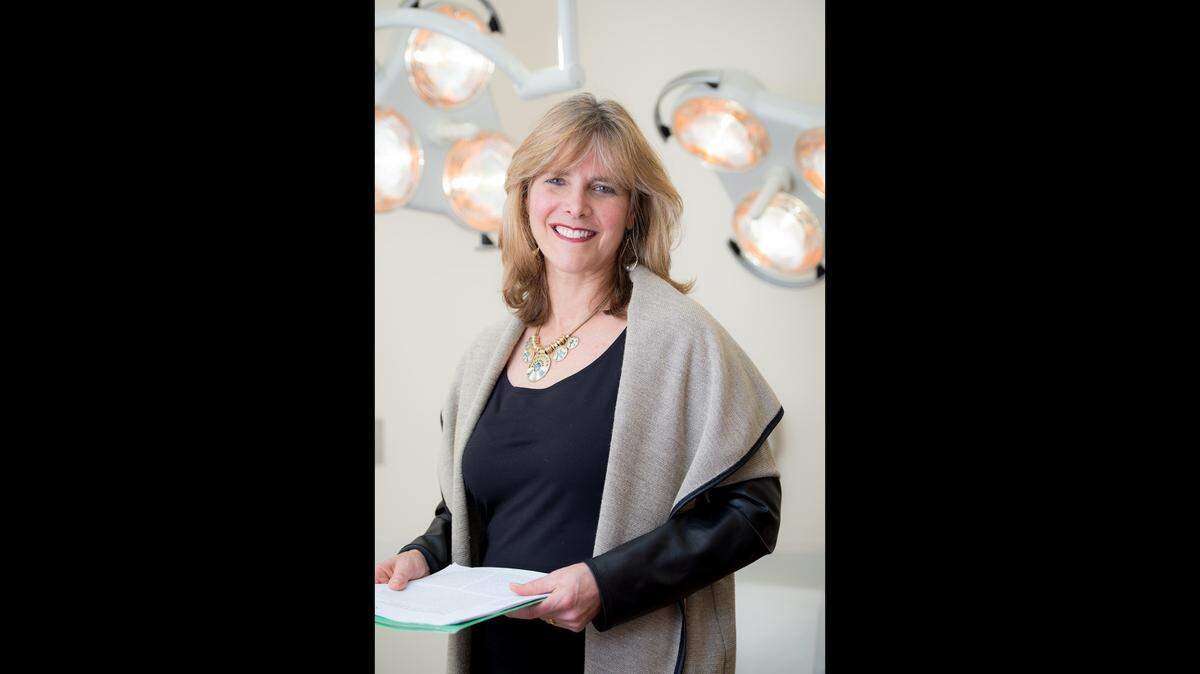
“We’ve certainly learned over the past two decades that there are a number of different kinds of breast cancer and we don’t treat them the same,” said Miami-raised Dr. Laura Esserman, a professor of surgery and radiology and director of the breast care center at the University of California at San Francisco. “So perhaps we shouldn’t approach screening as if everyone has the same risk for a particular type of cancer.”
Esserman is the principal investigator behind a national study, called WISDOM, that is rolling out in Miami, among other cities nationwide. South Florida’s diversity was a major factor in why Miami was chosen as one of the study sites. (The Esserman family foundation funds an investigative reporting fellowship at the Miami Herald).
The study needs a diverse pool of women with different backgrounds and risks, she said. Breast cancer is the leading cause of cancer death among Hispanic women, and Black women die from breast cancer at a higher rate than white women, according to the CDC.
Esserman said the study’s goal is to find out whether women 40 and older should get a mammogram every year or if it’s just as effective, or better, to personalize screenings based on a woman’s personal risk factors, including her breast density, genes, lifestyle and family health history.
Looking for women to join study
WISDOM is looking for women from 40 to 74 who live in the United States and have not had breast cancer. Women who sign up for the study at thewisdomstudy.org will be randomly assigned into one of two groups: annual screenings or personalized risk screenings. (Researchers say randomization will help avoid bias results but participants can request to be in a specific group.)
Women in the annual group will get a mammogram every year, which has been the standard for the past 30 years. Women in the personalized group will be assigned their own screening schedule based on their medical history, family history, lifestyle and genes. Select participants in this group will also receive a saliva kit in the mail to test for genes linked to breast cancer risk.
Esserman believes the study will show that personalized screening creates fewer false positives and is more conducive for breast cancer prevention.
Researchers say the trial does not require any study visits or additional lab tests. Instead, all participants will be given their recommended screening time frame and will need to fill out an annual online survey for the next five years.
If a woman were to develop breast cancer during the study, Esserman said they would follow her developments.
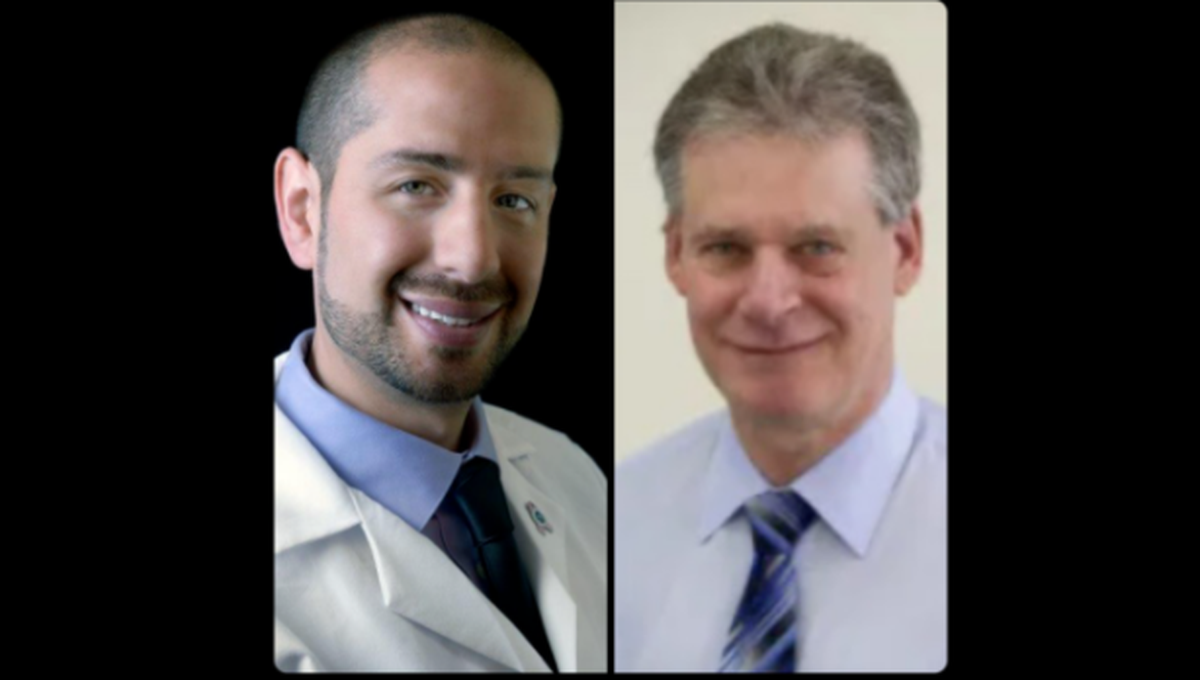
Leading WISDOM’s efforts in Miami is Esserman’s brother Dr. James Esserman, an ob-gyn affiliated with Baptist Hospital and co-founder of South Florida Women’s Care, and Dr. Michael Plaza, the director of MRIs at the Diagnostic Center for Women, 7500 SW 87th Ave.
Nationwide, more than 34,000 women have joined WISDOM since the study was launched at the University of California, San Francisco, in 2016, said Allison Stover Fiscalini, director of the Athena Breast Health Network and the WISDOM study. In February 2021, the study rolled out in Florida and has recruited about 150 women, mostly from Miami, Fiscalini said. The goal is to have 100,000 participants from across the country.
Plaza hopes the study will help refine the framework of breast cancer screening, as there are differences of opinion on when and how often a woman should be screened (national guidelines differ).
“Our science has changed, our understanding has changed, the science of risk assessment has changed, treatment has changed. It’s time for screening and prevention to screen to change,” Esserman said.
Or as the WISDOM study says online, “Because, maybe — just like a bra — when it comes to our breasts, one size does not fit all.”
New tool to help patient’s make breast cancer chemo prevention decision
At Baptist Health’s Miami Cancer Institute, the focus is on a new breast cancer prevention trial, which recently began recruiting high-risk patients from its Breast Cancer Prevention Clinic.
The clinical trial is trying to determine whether a new online tool can help patients understand the risk and benefits of breast cancer chemo prevention. The tool will personalize the risks and benefits based on the information the patient inputs into the system.
The trial will also look to see if the online system will increase the uptake of chemo prevention, which is usually underutilized, said Dr. Ana Sandoval, a medical oncologist specializing in breast cancer research and the trial’s principal investigator.
Chemo prevention medications have been shown to decrease the risk of developing breast cancer in people who are considered high risk for a variety of factors, including family history and personal lifestyle, she said.
Baptist is one of the locations participating in the clinical trial, which is sponsored by Southwest Oncology Group in collaboration with the National Cancer Institute.
Breast cancer vaccine would be a ‘game-changer,’ UM doctor says
At Sylvester Comprehensive Cancer Center, recruitment is underway for a clinical trial testing a vaccine that could, if it were to work, help prevent the recurrence of triple negative breast cancer, which accounts for 10 to 15 percent of breast cancers, according to the American Cancer Society.
Triple-negative breast cancer grows and spreads faster, has limited treatment options and is more likely to come back after treatment compared to other breast cancers, the Cancer Society reports.
The trial is looking to see if the vaccine can train the immune system to recognize and kill the tumor cells to prevent recurrence after surgery or other standard treatments.
If the vaccine works, it would be a “game-changer,” said Dr. Carmen Calfa, the principal investigator at Sylvester and Hecht’s doctor.
Hecht doesn’t qualify for the trial yet since she’s still undergoing chemo. But she’s ready to sign up once she’s given the OK. The mother of two said she’s willing to try anything that could help stop the cancer from returning.
Her doctors still don’t know what caused the bloody milk from her nipple, but it led her to go in for a check-up during the pandemic. And for that, she’s grateful.
“So, my dad actually passed away about three years ago from lymphoma and I like to think that it was him trying to get me to go get seen,” said Hecht, who named her newborn, Sadie, in honor of him, combining the first initial of his name Stuart with Zaydie, the Yiddish word for grandpa.
.jpeg "image0 (1).jpeg")
The Esserman family foundation funds an investigative reporting fellowship at the Miami Herald
To enroll or learn more about the trials
WISDOM study - thewisdomstudy.org
Sylvester Comprehensive Cancer Center at the University of Miami — For a list of clinical trials, visit umiamihealth.org/sylvester-comprehensive-cancer-center/clinical-trials. If you have questions or are interested in enrolling for the vaccine trial, call 305-243-2647.
Baptist Health of South Florida — For a list of trials, visit baptisthealth.net/non-indexed-content-folder/clinicaltrials
This story was originally published May 7, 2021 at 5:38 PM.