
Family says policy of isolating elders is ‘a death sentence’ for their mother
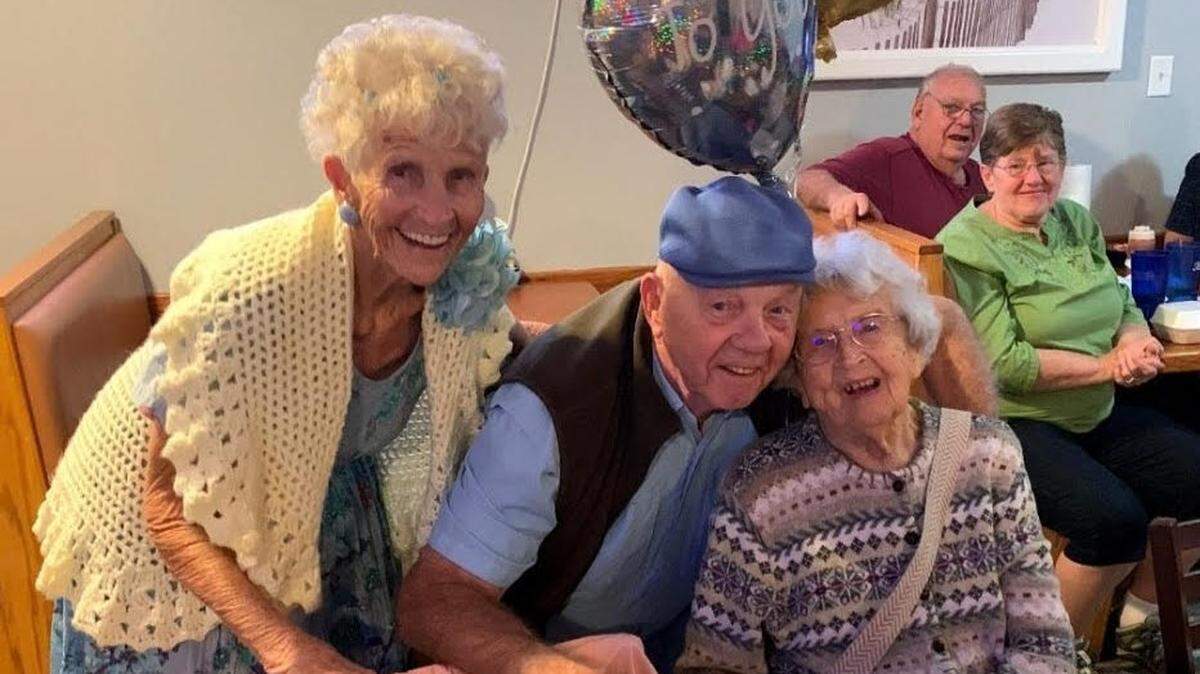
Nan Thomas came home Friday from the car parade at the Zephyrhills assisted living facility where her 95-year-old mother lives, and wept.
Her happy, healthy, active and “always smiling” mother had become distraught, pale, skinny and “a woman who begs to die.”
“She often doesn’t know who anyone is, can’t turn on or off her TV, doesn’t know how to use the phone, erroneously thinks her parents are alive, cries because she thinks my sister is dead,” Thomas said Sunday.
She blames her mother’s confusion on her constant isolation alone in her room, which Rosecastle of Zephyrhills Assisted Living & Memory Care required after the governor ordered a no-visitor policy at nursing homes and assisted living facilities to prevent the spread of the coronavirus.
Her mother, Rita Thomas, who had recovered from a stroke and frequently went out to restaurants, now eats alone. Her home, which used to have a robust social schedule, has organized few activities. She no longer goes for walks outside “because she doesn’t know how to reenter the building,” Thomas said, and the confusion that she had recovered from, appears to have returned “front and center.”

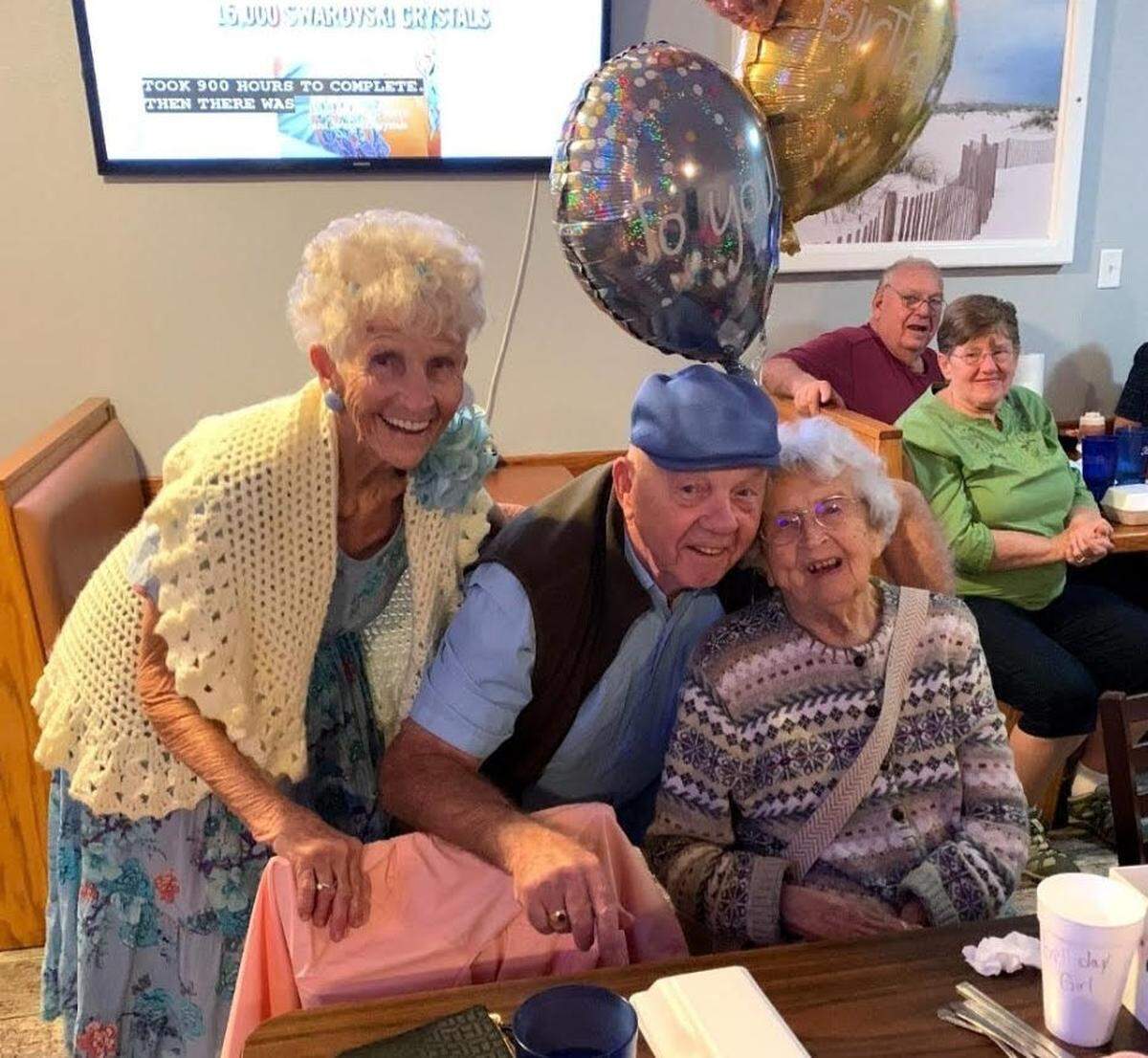
Thomas is angry — at the governor for “imposing a death sentence” on the elderly by allowing a policy of isolation “to go on for too long,” and the media for failing to focus on their plight.
She and her sister, who lives in Maine, have reached a point of despair.
“I hope my beautiful, formerly strong and happy mother dies soon so she can escape her loneliness and confusion,’’ she told the Herald/Times. “A daughter wanting her mother to die? Imagine — and all of this because our governor is allowed to neglect and harm our loved ones while the press barely takes note of it.”
After pressure from families like Thomas’, the governor’s Task Force on the Safe and Limited Re-Opening of Long-Term Care Facilities convened this month to come up with alternatives to the strict ban on family visitors. The panel is expected to approve a plan on Tuesday to allow some family members designated as “essential caregivers” to visit relatives.
While the panel of industry officials and regulators briefly discussed whether to include “emotional caregivers” like Thomas and her sister, the draft does not include it.
Thomas, a Hillsborough County teacher, now fears that a new policy won’t apply to her and her sister because they were not daily care providers but were there for their mother’s “essential emotional support.”
Since March, a governor’s executive order has barred visitors from nursing homes and assisted living facilities in an attempt to prevent the spread of COVID-19. Although the order allowed homes to make exceptions for certain family members to visit their relatives, most homes refused.
“To me it’s elder abuse,’’ Thomas said Monday, comparing it to putting an inmate in solitary confinement on death row. She cites experts who say that prolonged isolation contributes to memory loss and other cognitive problems for older adults.
“The cure has become worse than the gamble,’’ she said. “People don’t realize you can’t do this to the elderly. You don’t bounce back.”
She added that while she has been able to provide feedback to Congressman Gus Bilirakis, she has called the governor’s office repeatedly, been “disconnected” and “can’t get a response.”
“I’m a staunch conservative and I voted for the governor,’’ she said. “He had three consecutive news conferences which I watched, hoping he would say that something would change. He didn’t mention the elderly once.”
The governor should end the isolation policy, and include “emotional caregivers” like her and her sister, she said. He “should have mandated they do Zoom meetings with families, something to allow family contact,’’ Thomas said, because “you can’t put these old people in rooms alone 24/7.“
Thomas does not blame Rosecastle, where her mother moved to recover from a stroke. Staff there has been responsive, she said, and the coronavirus has been kept at bay.
But she is not alone in her frustrations over policies that keep families out and the elderly in isolation.
More than 8,500 people across the U.S. have joined Caregivers for Compromise, a Facebook group started by Mary Daniel of Jacksonville to bring families together to advocate for loved ones in elder-care centers.
Daniel took a job as a dishwasher in order to see her husband of 24 years, Steve, who has Alzheimer’s disease and lives at a Jacksonville memory care center.
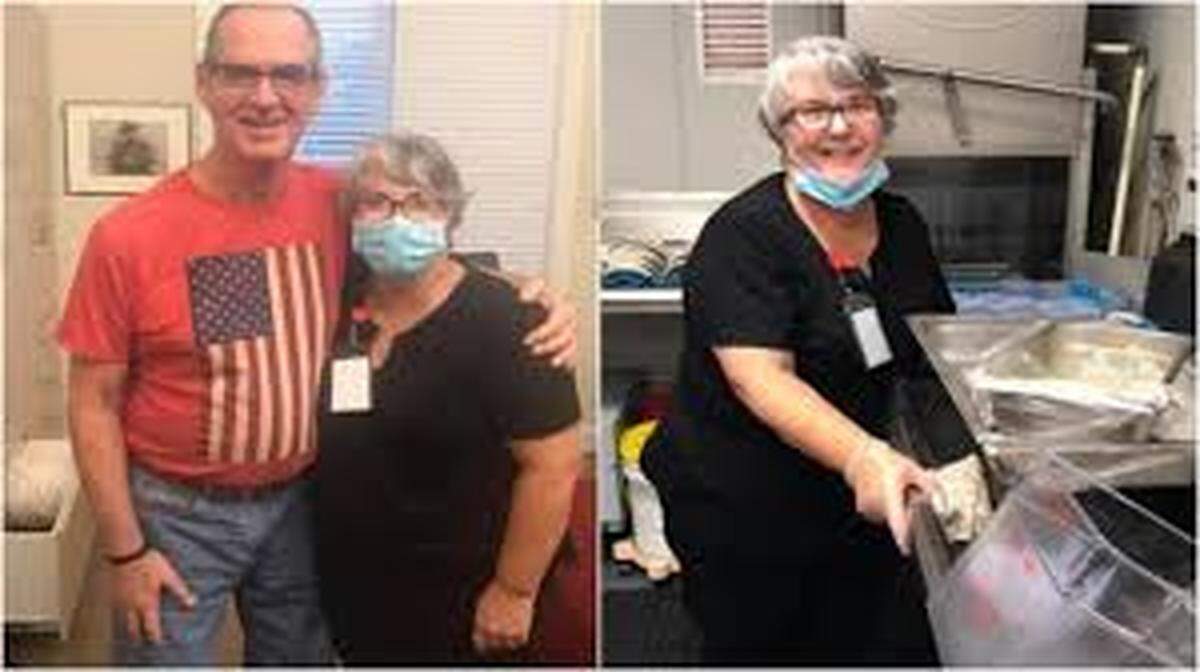
After Daniel’s story earned national headlines, DeSantis named Daniel to the task force, which last week agreed to move forward with a plan to allow people to enter the homes if they qualify as an “essential caregiver” or “compassionate caregiver.”
The new rule would be optional but, Daniels told the Herald/Times, while the rule is intended “to give facilities some leeway, if they blatantly are not going to comply, which is what they are doing now, we can reconvene in a week or two and make it mandatory.”
Daniel said she expects the new rule to require visitors to be screened at the door, wear protective face masks and honor social distancing of other residents but, she added, “it’s extremely important to me we are able to touch them.”
Thomas said she fears that if the state waits too long to loosen restrictions, it will be too late for her mother.
Since she last saw her at a distance two weeks ago, she had deteriorated rapidly. Rita Thomas had lost so much weight she had “become a shell” and her peachy complexion had gone white, her daughter said.
“The light has been extinguished,’’ Thomas said Monday. “This is going to be a death sentence for my mother. I’ve got to be able to get in there.”
This story was originally published August 24, 2020 at 2:14 PM.