University of Miami is testing coronavirus vaccines — and it’s looking for volunteers
The University of Miami Miller School of Medicine is looking for volunteers in South Florida who are willing to roll up their sleeves and be part of a nationwide study to test potential COVID-19 vaccines.
The university’s medicine school is a major research center for infectious diseases, primarily HIV and AIDS, and was selected to be part of a study led by the National Institute of Allergy and Infectious Diseases COVID-19 Prevention Network to look into possible novel coronavirus vaccines.
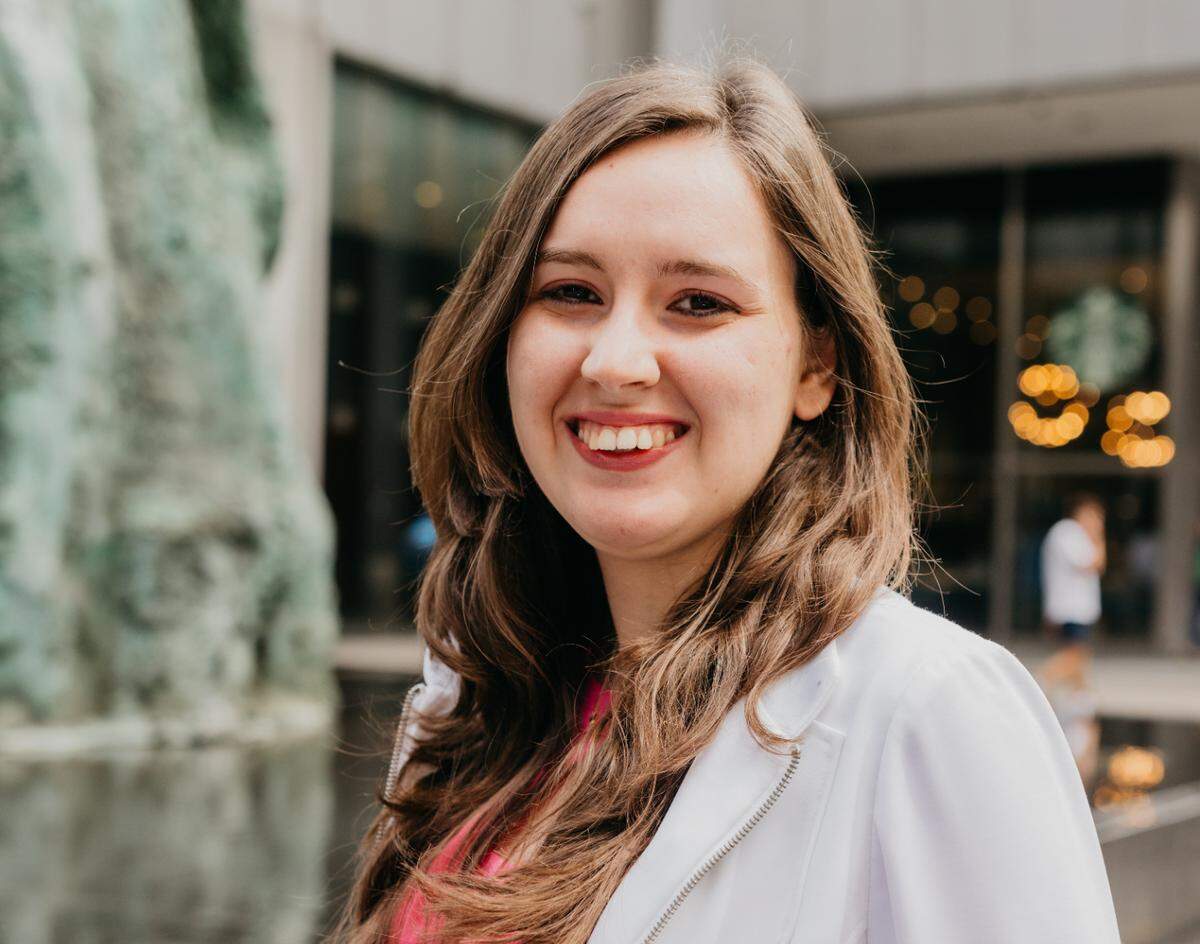
Infectious disease expert and associate professor of clinical medicine Dr. Susanne Doblecki-Lewis will be leading UM’s research team during the trials, alongside co-investigator Dr. Maria Alcaide.
Doblecki-Lewis says the university’s first clinical trial will inject 1,000 people with the potential Moderna COVID-19 vaccine, developed by the National Institutes of Health and Moderna Inc. The experimental vaccine was the first tested in the United States and has already shown signs of boosting people’s immune systems against the disease.
The first 45 volunteers injected in March with the possible vaccine developed “neutralizing antibodies in their bloodstream — molecules key to blocking infection — at levels comparable to those found in people who survived COVID-19,” according to an article published in the New England Journal of Medicine this week, reports The Associated Press.
The volunteers were younger adults and although more than half of them reported flu-like side effects — some similar to novel coronavirus symptoms like fever — the side effects were temporary and typically only lasted for about a day, according to The Associated Press. None of the side effects were serious.
“No matter how you slice this, this is good news,” Dr. Anthony Fauci, the U.S. government’s top infectious disease expert, told The Associated Press.
Now in its final stages of testing, the Moderna COVID-19 vaccine is in its third phase of clinical trials.
In this phase, researchers will be using a larger pool of volunteers to see if the vaccine works and if it is safe to use, said Doblecki-Lewis. If the vaccine does work, researchers will be looking to answer questions such as: “Does it completely protect the person from falling ill with the disease?” and “Does it lessen the severity of symptoms if someone were to fall ill with the virus?”
What the vaccine is not for: Curing someone who is currently sick with the novel coronavirus.
The trial, which is expected to start later this month, is part of a 30,000-person study to see if the vaccine is effective in stopping someone from falling ill with the disease. It is considered to be the world’s largest study of a potential COVID-19 vaccine so far, according to The Associated Press.
UM will also be conducting clinical trials on other potential COVID-19 vaccines in the future.
“As an infectious disease physician, I think this is one of the most important initiatives of my career. All of us every single day see the impact around us of COVID-19, and the development of the vaccine has to be one of our highest priorities,” Doblecki-Lewis said. “It’s the only way that we can end this.”
Criteria to be part of UM’s Moderna COVID-19 vaccine trials
UM says it is looking for volunteers of any gender, race or ethnicity who are at least 18 and have not tested positive for COVID-19 to participate in the Moderna vaccine trial. The goal is to have a volunteer group that reflects the diverse population of South Florida and the people who are impacted by the novel coronavirus, said Doblecki-Lewis.
The university is hoping to have at least 25% of its volunteers be older than 65 so it can better gauge how people react to the vaccine, depending on their age. People who have “co-morbidities” that might make them at higher risk of falling ill with COVID-19 such as diabetes, hypertension and obesity are also encouraged to apply.
Those who participate in the Moderna vaccine trial will receive a shot in the arm and will then receive a second injection 28 days later, said Doblecki-Lewis.
Volunteers will not be exposed to COVID-19, but they will need to notify researchers of any side effects they experience after receiving the shots. Researchers will then be in contact with them for about two years to see if they develop any COVID-19 symptoms, she said.
Anyone who is interested in volunteering can sign up or learn more about the study at https://www.coronaviruspreventionnetwork.org
The new NIH-led COVID-19 Prevention Trials Network, which is spearheading the study into potential COVID-19 vaccines, was established by merging four existing NIAID-funded clinical trials networks: the HIV Vaccine Trials Network (HVTN), based in Seattle; the HIV Prevention Trials Network (HPTN), based in Durham, N.C.; the Infectious Diseases Clinical Research Consortium (IDCRC), based in Atlanta; and the AIDS Clinical Trials Group, based in Los Angeles.
UM is affiliated with the HIV Vaccine Trials Network. To learn more about the COVID-19 Prevention Trials Network, visit https://www.coronaviruspreventionnetwork.org/about-covpn/