
These student-athletes have been sidelined for months. Here’s how they can play again.
Jake McCreary had a plan. His senior year football season would get him college scholarship offers.
But now no one knows how the season will look.
McCreary, who is the center for the Miami Palmetto Senior High football team, said he has been exercising on his own and hopes he has the chance to show his ability whenever football resumes.
“I really need this season,” he said. “Hopefully we can get back to practice soon because football is a huge part of my life.”
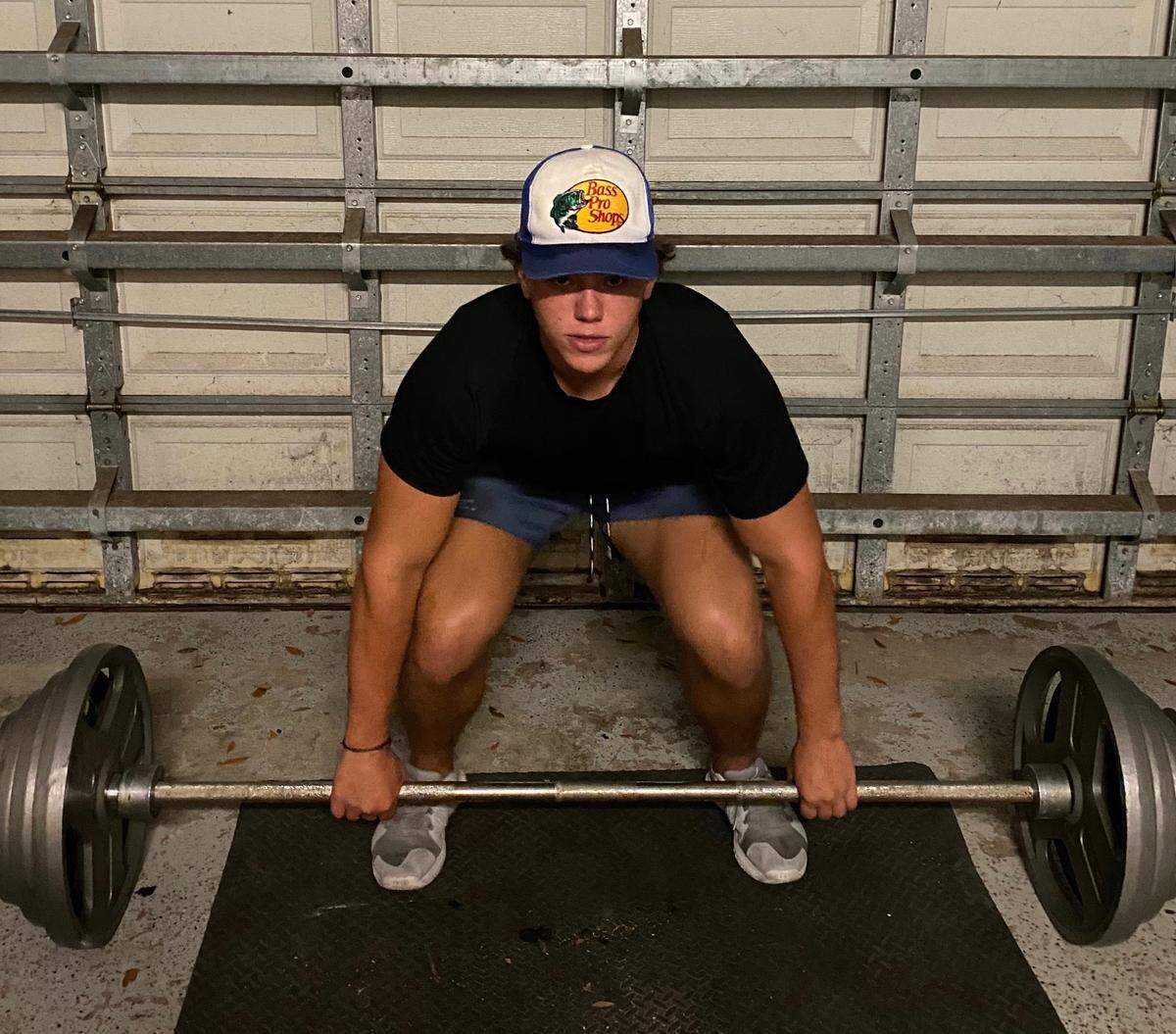
The 17-year-old said he’s in the best shape he’s ever been in, but he knows that’s not the case for all of his teammates. Sports medicine doctors and coaches agree that students will start the season with different fitness levels.
And as the sports world slowly returns, they say various safety measures should be followed.
How conditioning will change
By now, most fall athletes would have spent the second half of spring and the whole summer doing pre-conditioning and strength training, said Dr. John Zvijac, orthopedic surgeon and sports medicine physician in Coral Gables with Baptist Health’s Miami Orthopedics & Sports Medicine Institute.
But many of these students have been on their own since March. As the medical director for Miami-Dade County Public Schools’ athletic programs, Zvijac said coaches and athletic directors are left with little knowledge of what the next few months might look like amid the rise of coronavirus cases in South Florida.
In addition to safety, the focus when returning to sports should be relearning good form and regaining skill slowly, rather than all at once.
“We’re going to have to monitor that very closely as we go into this coming season,” Zvijac said.
Dr. Michael Dressing, pediatric sports medicine physician at Joe DiMaggio’s U18 Sports Medicine in Hollywood, agrees. He said an increase of 10% physical activity each day will help prevent injury in athletes who are trying to go from zero to 100.
“With a complete shutdown of sports across all skill levels, across all ages, it’s been pretty unprecedented,” he said. “With that being the case, we see a lot of injuries stop happening for a while.”
But Dressing is worried injuries might return suddenly when student sports resume. He said athletes across all sports from football to dance — need to focus on flexibility and balance as well as getting back into good cardiovascular strength. Getting the heart back in good condition via running or low weights in high repetitions will help get muscles back into gear without straining them.
‘Exercise is medicine’
Miami Palmetto Senior High’s football coach Mike Manasco said he has sent his athletes individual workouts on social media. But they’ve each been on their own for the most part.
“Most of our kids understand what to do and they’ve really been working hard this summer,” said Manasco, whose school is in Pinecrest.
The Florida Sports Task Force recommended that the Florida High School Athletic Association push the start date for fall sports practices from July 27 to August 10. The fall season’s start would also be pushed back, but the season end-date is to remain the same.
Normally, practices would start July 27 and regular season games would start August 17.
Manasco is optimistic for the return to the field, but cautious about the changes in practice. Getting athletes back to football shape will take plenty of time, especially if they have to social distance or practice on different days.
“We want to play but at the same time we want to be safe,” he said. “It’s going to be an undertaking.”
Dr. Thomas Best, University of Miami Sports Medicine Institute physician, said no “one size fits all” solution exists for the return to sports. But he said the safest thing to do for now is for student athletes to exercise on their own or follow safety measures when their teams reconvene.
Staying active is also especially important in the context of the coronavirus as it helps keep a strong immune system and mental health, Best said.
“Exercise is medicine,” he said.
Beyond potential tolls on physical health, the pandemic has fostered more anxiety and depression in teens, which can be combated by working out.
“Do something you like,” he said. “Some is better than none. Don’t feel like you have to go back to running five miles or playing basketball for an hour like you did pre-COVID.”
Aidan Norcius, 16, is a rising sophomore at Dillard High School in Fort Lauderdale, who has been off the field for longer than most of his teammates. He was just cleared to play in June after a February knee injury and surgery, he said.
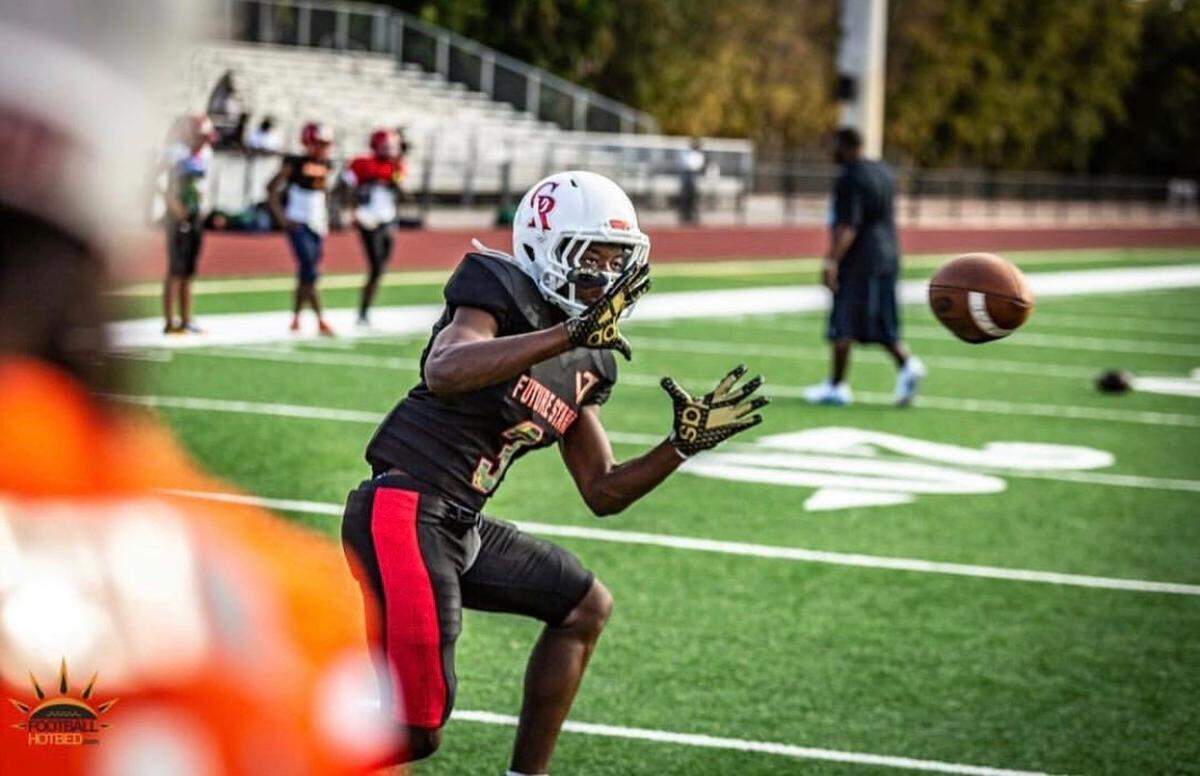
“I wouldn’t really be nervous because I’ve been playing football since I was little,” he said. “Anything that comes my way, I’m ready for it.”
Coping with the heat
In South Florida, temperature regulation is critical for athletes in South Florida, said Best, University of Miami physician. Heatstroke in football players during a normal year occurs within the first three days of practice.
Typically, they would have been training for months and have acclimated to the heat. But those who are returning in July or August may not have had a strenuous outdoor workout since March, Best said. So they need to take it slow.
“We actually live in the tropics,” Best said. “So temperature regulation is absolutely critical.”
Exercising in the early morning or late evening is best to avoid high heat indexes. Along with that comes hydrating and getting air as necessary and safely while wearing a mask. Best said there is no confirmation that wearing a mask slows down ventilation.
Risk of returning
Baptist’s Zvijac said the challenges that come with the return to sports are the same as those that accompany other reopenings. When the student athletes go home, no one knows how safe they or the people they live with are being in their personal lives.
“Once things ramp up to the competition part of it, the bottom line is these are contact sports,” he said.
Because schools were closed when the pandemic worsened in March, a lot is still unknown about transmission in high school students, who can carry the virus but be asymptomatic, he said. So if an athlete or someone they’ve been in contact with has symptoms, they need to be responsible about self-quarantine.
“Do you quarantine an entire team?” he said. “I don’t think anyone has an answer to that yet.”
Zvijac’s practice at Baptist Health screens thousands of high school athletes annually. But the screenings have yet to start. He said these could help assess the risks when schools prepare to open.
Graeme Griffith, director of coaching for Cutler Ridge Soccer Club, said some of his coaches have started conducting practices under safety guidelines. All the players’ temperatures are checked before they get on the field and their hands are sanitized.
Everyone on the field except the players themselves are required to wear masks, although the students are encouraged to as well.
“They’re all anxious to get on the soccer field,” Griffith said.
But competitive games aren’t allowed yet — and because soccer is a sport with a later season start date, he’s not yet as concerned as some athletic directors might be.
“It’s the same thing you would do every year,” Griffith said. “You always have players at different levels so you’ll adjust the training so that everyone gets to the same level about a month and a half into the season.”
Broward Health orthopedic surgeon Dr. Jason Walters said his main worry at this point is the safety of kids physically going back to school. High school students aren’t capable of living in a bubble, so he’s not even sure if planning for contact sports is feasible.
“If you’re trying to copy the model of what professionals are going to do that’s going to be testing frequently, and doing it in front of little to no crowds,” he said. “You’re increasing expenditures and decreasing what little bit of revenue they have.”
Walters said the sports he sees as possible with social distancing are swimming, golf and tennis.
“I don’t think that high school athletics is going to go away,” he said. “It just might be off until we get a vaccine.”
Nutrition
When athletes are doing high levels of exercise, their caloric intake is typically higher, said Dressing, Joe DiMaggio’s U18 Sports Medicine doctor. Returning the body to a good condition requires these students watching what they eat as well.
Just like they shouldn’t take their physical activity level immediately back to where it was left off, they shouldn’t necessarily start consuming the same amount of food. They should adapt it to the level of exercise they’re putting in.
Athletes “are used to high levels of activity that require a lot of calories and a lot of protein and a lot of the kids have probably changed their diet because they haven’t been as active,” he said.
Sports scholarships
Baptist’s Zvijac said students aiming for top-tier sports colleges will have likely gotten exposure in past seasons. But those who are hoping for scholarships from smaller programs may need the upcoming season to be scouted in-person.
“South Florida is a hotbed for sports,” Zvijac said. “It is really one of the goldmines of scholarships at all levels.”
Some of the alternatives to traditional scouting that Dressing thinks might work are filming private workouts or using previous year’s tapes to showcase skills.
“If they can’t happen like they normally do I think that will definitely change the recruiting landscape and the different ways that some of these kids are going to be able to showcase these skills,” he said.
Lisa Zielinski, St. Thomas Aquinas girls volleyball head coach, said many club sports have continued to practice, including volleyball. So deconditioned athletes aren’t as big of a concern for her, but the timeline is.
“Not knowing when and not knowing how or what’s going to happen — that’s where my anxieties come from,” she said.
When discussing scholarships with her players, she reminds them that all other athletes are in the same situation they are in right now. No one has a leg up.
“Recruiting is on everybody’s mind,” Zielinski said. “But I think that there’s nothing we can do about it. They’ll get recruited at some point, it just might be slower. I just hope we have a season.”
This story was originally published July 14, 2020 at 6:00 AM.