
Under pressure, Florida releases list of nursing homes, ALFs with most, least COVID-19
Under mounting pressure from elder advocates and family members of nursing home residents, Gov. Ron DeSantis Monday released information on the number of residents and staff infected by the deadly coronavirus at Florida elder-care facilities — though he still refused to disclose the number of deaths linked to each facility.
One nursing home in the Panhandle has reported nearly twice as many confirmed cases of coronavirus among residents as any other home in the state: Southern Oaks Care Center in Pensacola, a 210-bed home with a spotty record of resident care in recent years. The home has been disciplined by the state 12 times since 2004, for a total of $29,625 in fines.
The data released by the governor’s office shows 87 current residents of Southern Oaks have tested positive for COVID-19, the illness caused by the coronavirus, as well as 15 employees. Another five residents with confirmed cases have been transferred from the home. That means about 40 percent of the home’s maximum number of residents has contracted the illness, according to state records.
The number for Southern Oaks was repeatedly busy Monday afternoon. The Herald reached Michael Bleich, listed as the director of the company that owns the nursing home, who declined to discuss the facility and its coronavirus cases.
“Call the facility,” he said. “I’m not going to talk to you.”
As of Monday, the state is reporting that a total of 390 nursing homes and assisted living facilities in Florida have at least one confirmed case of coronavirus among residents or staff. A total of 94 homes have been added to Florida’s count just since last week.
The numbers show that South Florida nursing homes and assisted living facilities have been particularly hard hit. Residents in facilities in Miami-Dade, Broward and Palm Beach counties accounted for 45 percent of positive coronavirus cases among all residents in the state.
The numbers are questionable, however:
The original list of long-term care facilities with reported coronavirus cases, released more than a week ago, included nearly 50 homes that no longer are on the list. That original list did not say how many residents and staff members had been infected. The new list includes those elements and provides a column of data for residents with COVID-19 who have transferred out.
There was no explanation for why any of the 50 purged homes had been removed.
For well over a month, the Miami Herald and other news outlets have called on DeSantis and his two healthcare agencies — the Department of Health and the Agency for Health Care Administration — to provide current data on residents of elder-care homes who are infected with the virus, or have died from it.
Elder advocates and family members of long-term care residents have been seeking greater transparency, as well.
On Monday, the Herald, joined by a coalition of other news outlets, filed suit in Leon County Circuit Court asking a judge to order DeSantis to release the information. The suit asserts that the information is subject to public disclosure under the state’s public records act.
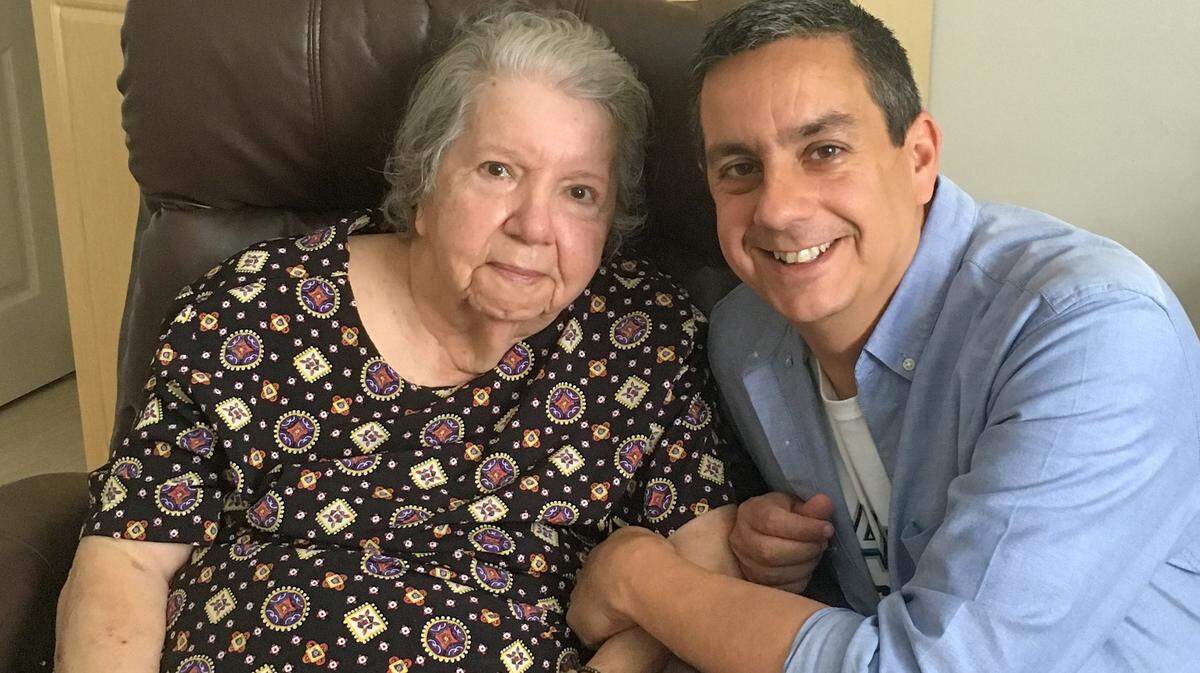
Jorge Zamanillo, director of HistoryMiami Museum, whose mother, Rosa Zamanillo, died from coronavirus at the Residential Plaza at Blue Lagoon, said that “by not including information about how many died — including my mom — you are saying that they are not important anymore.”
“By not being transparent, it just leaves the families believing that elder-care facilities are hiding something,” said Zamanillo, 51. Zamanillo said he has heard from the loved ones of other Blue Lagoon residents, and they don’t know what they can do to keep their relatives safe. “I can imagine how everybody feels,” he said. “You can tell they’re scared.”
“They feel like these facilities are hiding something.”
Next to Southern Oaks, the two facilities with the largest number of current infections both are in South Florida, the new information shows. They are North Dade Nursing and Rehabilitation Center in North Miami, with 45 reported cases among residents and three among staff, and Manor Pines Convalescent Center in Wilton Manors, with 39 reported cases among residents and 26 among staff.
Next on the list is the Tallahassee Developmental Center, a 60-bed residential care facility for people with developmental disabilities. The home has reported 34 confirmed cases of coronavirus among residents, and another 45 among staff.
Coronavirus is not the first significant challenge to face administrators at Southern Oaks, the Panhandle nursing home that tops the list. Records show it has changed ownership twice since 2008. Every year since 2017, the home has been granted a waiver from a law requiring long-term care facilities to install a generator, or secure a contract for one, to protect residents from a power outage.
In recent years, Southern Oaks has been faulted by the state Agency for Health Care Administration for serving undercooked meals, including sausage and fish; having mold in bathrooms, failing to respond to resident grievances, failing to provide proper care and having non-functional resident call buttons.
Editor’s Note: The map accompanying this story has been updated to include residents who were transferred out of facilities and data released Tuesday.
This story was originally published April 27, 2020 at 6:08 PM.