Why are Miami taxpayers spending $400,000 on a cat sculpture at Jackson Health campus?
When Miami-Dade County’s public health system unveils its new rehabilitation hospital next month, one of the first facilities built with the 2013 “miracle bond” issue, the four-story building will feature a state-of-the-art aquatic therapy pool, a physical therapy room with high-tech body-weight-supporting harnesses built into a track on the ceiling — and a $400,000 cat sculpture.
Taxes and bond dollars are paying for the vast majority of the upgrades, including the sculpture. Under a public art ordinance approved by the county in the 1970s, 1.5% of county building construction money must be spent on artwork in plain sight. The program, called Art in Public Places, has resulted in some well-known — and sometimes notorious — art purchases, such as the home-run sculpture at Marlins Park recently exiled outside the stadium’s fences.
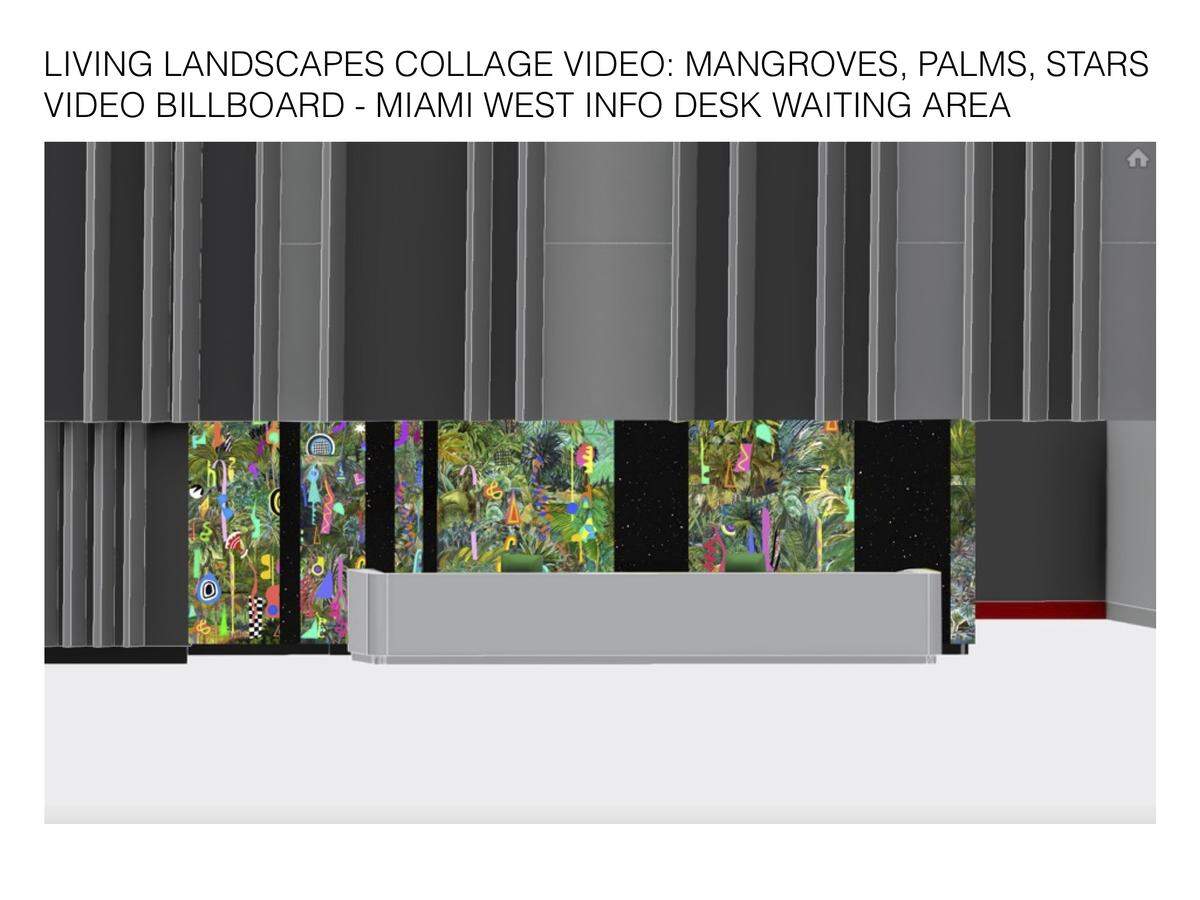
Now, as Jackson Health System builds out new facilities financed by the bond issue, the list of taxpayer-funded artwork is expanding, too. One of the more visible art projects — a concrete, abstract sculpture called “The Cat,” by Swiss artist Olaf Breuning — will lounge in the center of an “activity garden” outside the Lynn Rehabilitation Center. Another piece — a series of video screens called “Mangroves, palms, stars,” designed by Los Angeles artist Brian Bress — will cost just under $600,000 for displays at various areas in Jackson West, the new hospital in Doral set to open in October.
Carol Damian, an art historian on the committee that selects artists for county projects, said Miami’s public art program has been recognized as one of the best in the country. But she conceded that there will always be those who question whether the art that ultimately gets selected should be purchased with tax dollars.
“You can never make everybody happy,” Damian said. “Art is very much in the eye of the beholder.”
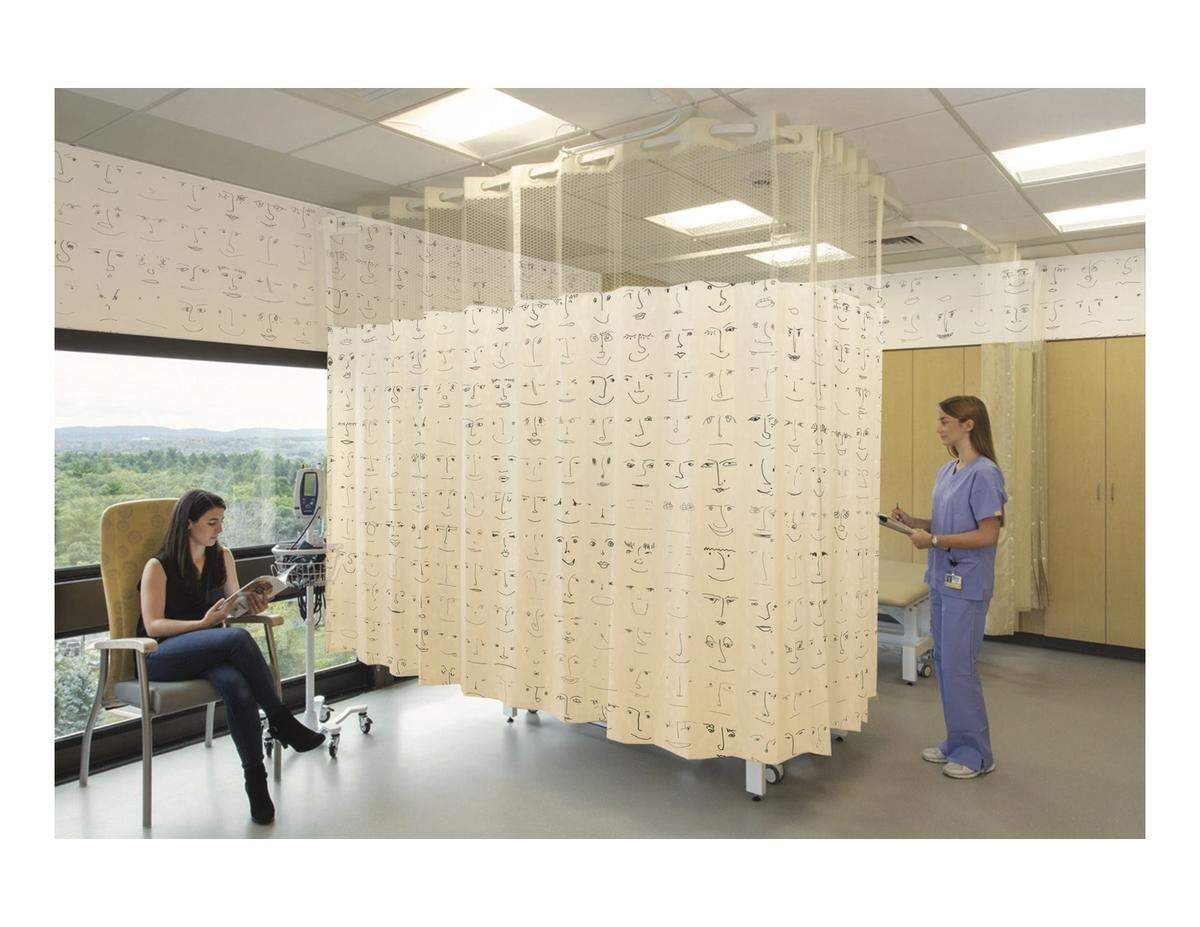
Trying to find art projects that dovetail with Jackson’s mission of serving the poor takes creativity. One artist’s proposal: outfitting hospital rooms with $400 anti-microbial, fire-resistant privacy curtains covered in post-conceptualist Rob Pruitt’s signature human faces. County and hospital officials will decide whether to install the curtains if there is enough money after spending on marquee art projects, which are the priorities.
Most of those bigger installations will be exhibited at facilities designed to attract paying patients and set to open soon. The Cat sculpture has one of the more practical uses for healthcare professionals: pedals, steps and other motor-skill-honing contraptions affixed to its side for patients regaining their strength. “The Cat” will be the first piece of public art from the bond spending accessible to the public, Jackson officials said.
“The Cat will be a big heavy sculpture, hopefully visually interesting, but also help patients to get better,” Bruening, the artist, wrote in an email last week. “I like the idea of an art work with a possible impact on its surrounding and the people in it.”
To choose the art for Jackson, the selection committee started with 500 submissions, winnowing that down to 25 proposals and 11 recommendations. So far, seven artists have been awarded contracts, with one still in negotiations, for a total of eight projects at a cost of $3.75 million out of the $5.2 million public art money slated for the health system. The art installations are scheduled to be in place by May 2021.
Matt Pinzur, vice president of marketing for Jackson, said that the artwork will help the health system stay competitive with other South Florida hospitals, such as the University of Miami’s Lennar Foundation Medical Center and Mount Sinai Medical Center, which also prominently feature art in their facilities.
The 2013 bond issue, Pinzur said, was a mandate to improve the public safety net hospital both on the clinical side and in modernizing its facilities. The bond issue has allowed the system to improve the transplant center and cardiovascular program.
“You’re seeing all the advancements that are happening on the clinical side,” Pinzur said. “I think when we’re in a market like we are here, you need to have facilities that match the quality of that program.”
Building public art into new Jackson facilities has been a tough sell in the past. Michael Spring, who heads the county’s Department of Cultural Affairs, said he first worked with the health system in 2011, when hospital leaders were expanding the Jackson South tower. Back then, Spring said, Jackson didn’t exactly love the idea of spending money on artwork rather than equipment.
But the apprehension faded after Jackson leaders saw the result: an outdoor “healing garden.”
Spring said Jackson was satisfied because “we’ve demonstrated to them that the public art can actually make these buildings fabulous places that can contribute to the patient’s healing and the environment for the employees to work in.”
Damian, the art historian, said that while most hospitals feature some kind of art, whether it’s a series of photographs in a hallway or a framed picture in a waiting area, monumental installations like the ones going up across Jackson facilities have a unique capacity to capture people’s attention, even when they already have a lot on their mind.
“To be able to have a piece of artwork that provokes a discussion is often a beautiful distraction in a hospital setting,” she said.
This story was originally published February 21, 2020 at 7:00 AM.