
Life in Florida without Medicaid expansion
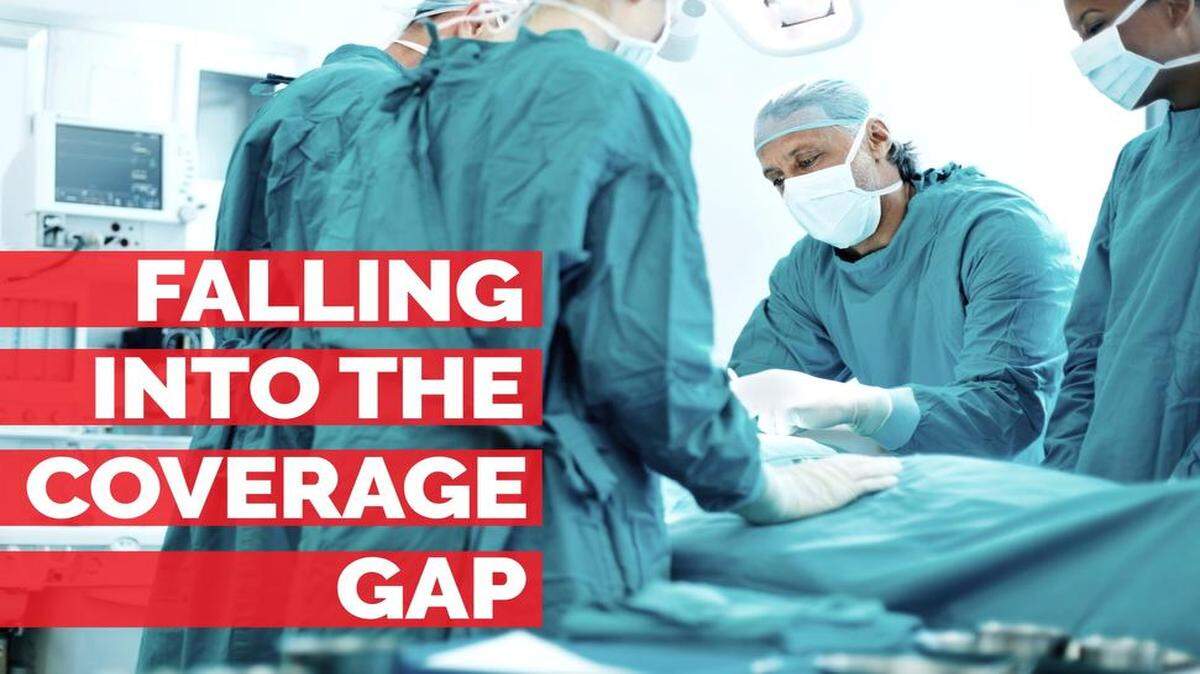
For two years, Florida legislators have refused to expand Medicaid as envisioned under the Affordable Care Act. Their decision left an estimated 850,000 Floridians without healthcare insurance in the "coverage gap." Those caught in the gap earn too much to receive Medicaid, but not enough to qualify for subsidies to buy a plan through the federal marketplace. The Miami Herald looks at how these Floridians are coping and what other states are doing to close the gap.
Reports
For 850,000 Floridians, piecemeal healthcare
With legislators seemingly deadlocked on Medicaid expansion in Florida, residents in the “coverage gap” are stitching together their medical care through personal ingenuity, half doses of medicines and low-cost clinics. It’s exhausting work, especially when you’re sick. Read more
Choosing between dinner and a medical test
Without Medicaid expansion, South Florida’s low-income residents have found out the hard way that the healthcare safety net designed to catch people before they hit bottom is no substitute for insurance. Read more
Why won’t Florida adopt Medicaid expansion?
Other states have overcome political opposition to Medicaid expansion and adopted plans to bring government-subsidized coverage to more of their low-income residents. Read more
Explainer: How 5.2 million people fell into the health insurance coverage gap
Compare states that expanded Medicaid with states such as Florida that did not expand, leaving citizens without coverage. Read more
Miami-Dade mayor: State should fill loss of federal healthcare fund
Miami-Dade’s mayor said he expects Florida legislators will tap state dollars to help fill any loss of federal funds called the Low-Income Pool for safety net hospitals such as Jackson. Read more
Resources
Map: Find a low-cost healthcare provider
For the uninsured population, affordable care is limited to free clinics, which are often operated by churches or schools, and federally qualified health centers, organizations that receive grants from the federal government to care for underserved populations. Look up a facility in South Florida. Or see a list of local agencies that help with social and medical services.
Profiles
For people caught in the gap, injuries can be catastrophic and chronic illnesses may go untreated for years. How did 850,000 people find themselves in the gap, and how are they coping? Here are some of their stories.
When the caregiver can't get care
“I feel left over, left back.’’ — Paula Bazain, caregiver
Single mother of five $4000 short for coverage
“What kind of country are we? Everybody needs insurance” — Francesca Corr, single mother
A lifetime of respiratory illnesses
“I can’t live a normal life.’’ — Genesis Rodriguez, automotive tech student
Seven years without a checkup
“Normally, you go to the doctor when something like that happens.’’ — Carlos Cuervo, salesman
Covered under Medicaid, for now
“One minute you receive Medicaid, and the next minute it’s gone.’’ — Ceslynn Watkins, former customer service rep
Two heart attacks and living in an abandoned house
“I knew exactly right away what it was because I’d felt it before. I was having a heart attack.’’ — Eric Schmidt, former construction worker
A move from NYC to Miami, a loss of coverage
“It wasn’t the welcome that I wanted from Florida.’’ — Harry Melo, student
A career in construction, until a back injury
“They just tell me I’ve been denied. Every time.” —Timothy Lane, former landscaper
Piecing together medical care
“I wish I had insurance, so I can go to a private doctor.’’ — Cynthia Louis, waiting a year to see a specialist
A few years shy of Medicare coverage, and caught in the gap
“It’s totally unfair that when you’re in need of help, you can’t get it.’’ — Vanessa Wilcox, former phlebotomist
Loss of income could mean loss of eyesight
“They won’t give me a chance. That’s not right. ... I can go blind.” — Edith G. Camacho, homemaker
Diabetic relies on emergency room for care
“I would benefit more from Medicaid expansion than charity care.’’ — Vincent Adderly, former security guard
"Falling into the Gap" was written with the help of the Dennis A. Hunt Fund for Health Journalism, administered by the California Endowment Health Journalism Fellowships at the University of Southern California's Annenberg School for Communication and Journalism. This series was produced in collaboration with Kaiser Health News, an editorially independent program of the Kaiser Family Foundation.
This story was originally published April 17, 2015 at 1:30 PM with the headline "Life in Florida without Medicaid expansion."