Florida Surgeon General has safety concerns with COVID vaccines. FDA disagrees
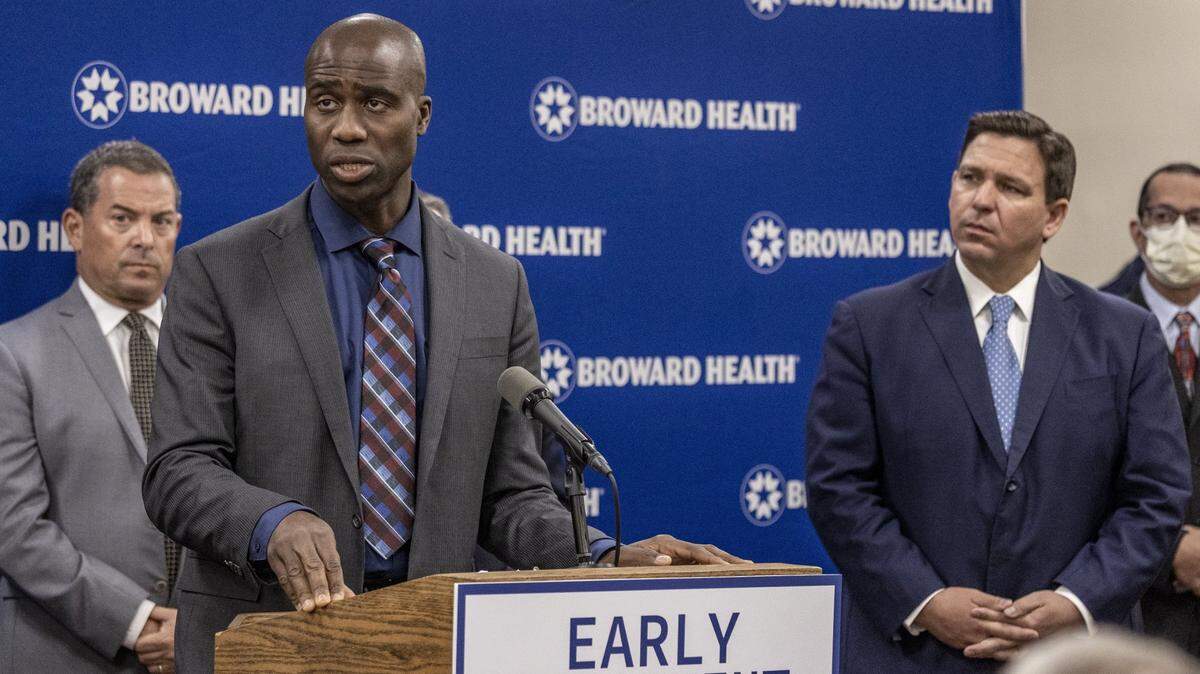
Florida Surgeon General Joseph Ladapo is urging people to stop getting Pfizer’s and Moderna’s mRNA COVID vaccines over DNA-related safety concerns, despite the FDA reiterating that its research shows the vaccines are safe and outweigh the serious health risks associated with COVID.
Ladapo, who has previously expressed concerns over the safety and effectiveness of the COVID vaccines, is questioning whether the mRNA shots could possibly deliver DNA contaminants into human cells. His call to halt the use of the mRNA vaccines comes a few weeks after the U.S. Food and Drug Administration responded to his concerns in a letter, reiterating that the shots were safe and effective.
Peter Marks, director of the FDA’s Center for Biologics Evaluation and Research, told Ladapo in a Dec. 14 letter that no SV40 proteins, a DNA virus, “are encoded for or are present in the vaccines” and that animal studies found “no evidence for genotoxicity from the vaccine.”
Ladapo doubled down on his concerns Wednesday, saying that the “FDA’s response does not provide data or evidence that the DNA integration assessments they recommended themselves have been performed.”
“Instead, they pointed to genotoxicity studies — which are inadequate assessments for DNA integration risk,” Ladapo said in a statement. “In addition, they obfuscated the difference between the SV40 promoter/enhancer and SV40 proteins, two elements that are distinct.”
Marks, the FDA official, said the 2007 FDA guidance Ladapo references was developed for “DNA vaccines themselves, not for DNA as a contaminant in other vaccines and is not applicable to the mRNA COVID-19 vaccines.”
Ladapo says that DNA integration poses a “unique and elevated risk to human health,” and could possibly affect people’s genes and those of their future children.
Marks noted in his December letter that “on first principle, it’s quite implausible” that any residual DNA fragments from the COVID vaccines could find its way into a cell’s nucleus and “be incorporated into chromosomal DNA.”
He also said that reproductive toxicology studies found “no concerns” with the Pfizer and Moderna vaccines and that global surveillance data on more than 1 billion doses of the administered vaccines show “nothing to indicate harm to the genome, such as increased rates of cancers.”
The FDA wants “to make clear that based on a thorough assessment of the entire manufacturing process, FDA is confident in the quality, safety and effectiveness of the COVID-19 vaccines,” Marks wrote.
Ladapo, however, doesn’t think the FDA has properly assessed the vaccines.
“If the risks of DNA integration have not been assessed for mRNA COVID-19 vaccines, these vaccines are not appropriate for use in human beings,” Ladapo said. “Providers concerned about patient health risks associated with COVID-19 should prioritize patient access to non-mRNA COVID-19 vaccines and treatment. It is my hope that, in regard to COVID-19, the FDA will one day seriously consider its regulatory responsibility to protect human health, including the integrity of the human genome.”
The U.S. Centers for Disease Control and Prevention, the top health agency in the country, also says that the shots are safe and effective and is recommending the vaccines for everyone 6 months and older. Ladapo, on the other hand, doesn’t recommend people under 65 get the shots. He says those 65 and older should speak with their doctor.
Ladapo has clashed with federal health officials before over masks, vaccines and the state’s COVID-19 policies. This most recent exchange with federal regulators comes as fewer people, including in Florida, are getting the newly updated COVID vaccines, which were released in September. The CDC estimates that about 11% of adults and about 6% of kids in Florida have received the new shots.
READ NEXT: Fewer in Florida are getting new COVID shot. Why they’re refusing — and what it means
This article will be updated.
This story was originally published January 3, 2024 at 12:17 PM.