
Pfizer COVID pill could come to Miami-Dade testing sites for quick treatment, mayor says
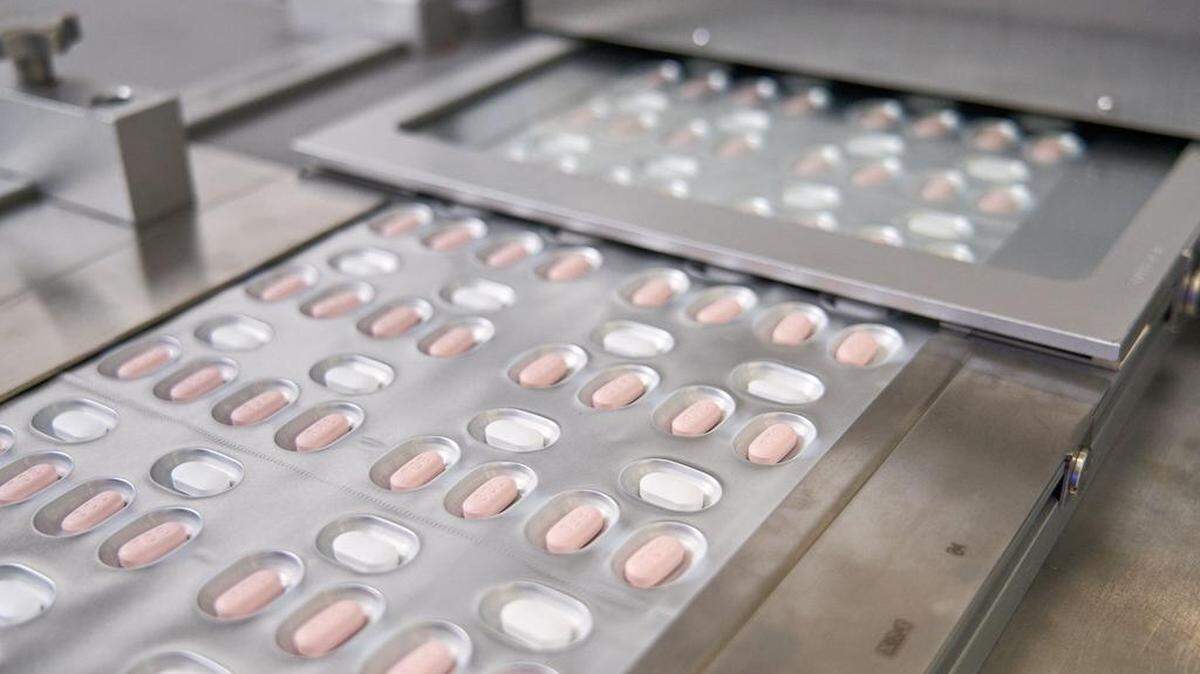
With Miami-Dade County ramping up for another potential COVID-19 surge from the omicron variant, administrators hope a new treatment will help keep many infected people out of hospital beds.
The county government is preparing a plan to distribute Pfizer’s new COVID-19 treatment at Miami-Dade testing sites, in hopes of beginning treatment in the early stages of infection before symptoms worsen to the point that hospitalization is a possibility.
It’s theoretical for now, because Miami-Dade has no supply of Paxlovid, a prescription drug that Pfizer says produces an 88% drop in the risk of hospitalization and death for at-risk adults who contract the virus. County administrators also don’t have answers yet for who might qualify for the pill even if Miami-Dade had any to dispense. Pfizer doesn’t have federal approval to sell the drug, but that’s expected this month.
The Pfizer treatment calls for multiple doses over five days in combination with another drug called ritonavir.
Mayor Daniella Levine Cava said her administration is prepping the plan to launch once the county gets supply and the go-ahead from any regulators or rule makers that will govern what’s expected to be a rapid distribution of the promising drug.
“We’re getting ourselves ready for when it is approved and released. Probably we will be fighting for supply just like we had to fight for vaccine supply back in the day,” said Levine Cava, referring to the county’s opening vaccination centers at the start of 2021. “But we’ve got a great structure set up — with all of our testing sites and vaccination sites.”
Pfizer has a deal to sell about $5 billion worth of the pills to the United States government for distribution. Miami-Dade’s government is running testing centers across the county, managed by the for-profit healthcare firm Nomi Health.
Paxlovid requires a prescription, and Levine Cava said Nomi is considering having a pharmacist on site for dispensing the drug and either an in-person physician or a telemedicine option for authorizing use of the treatment.
Pfizer says someone infected with COVID should take Paxlovid in the early days of symptoms, and experts see the antiviral drug as a way to avoid the COVID hospitalizations that strained healthcare systems during outbreaks in 2020 and 2021.
This week, Levine Cava reinstated an emergency order requiring hospitals across the county to report counts of patients with COVID, bed availability in intensive-care units, and ventilator supplies, as well as the portion of COVID patients who are vaccinated.
Levine Cava said the county is also preparing a large outreach effort to provide booster shots to vaccinated people who are homebound and unable to get to vaccination centers for a follow-up shot. She’s holding a press conference at noon Thursday at the Tropical Park vaccination center to urge residents to take precautions against the virus heading into the holidays.
She said the prospect of Paxlovid distribution to head off severe cases could ease a main worry during COVID-19 spreads, which is a surge of patients flooding hospital ICU wards.
“We’re very hopeful this can be a game changer,” Levine Cava said. “Certainly, overwhelming hospitals has been a top concern.”
This story was originally published December 16, 2021 at 11:32 AM.