Worried about COVID vaccine side effects? Thinking about it raises chance you feel them
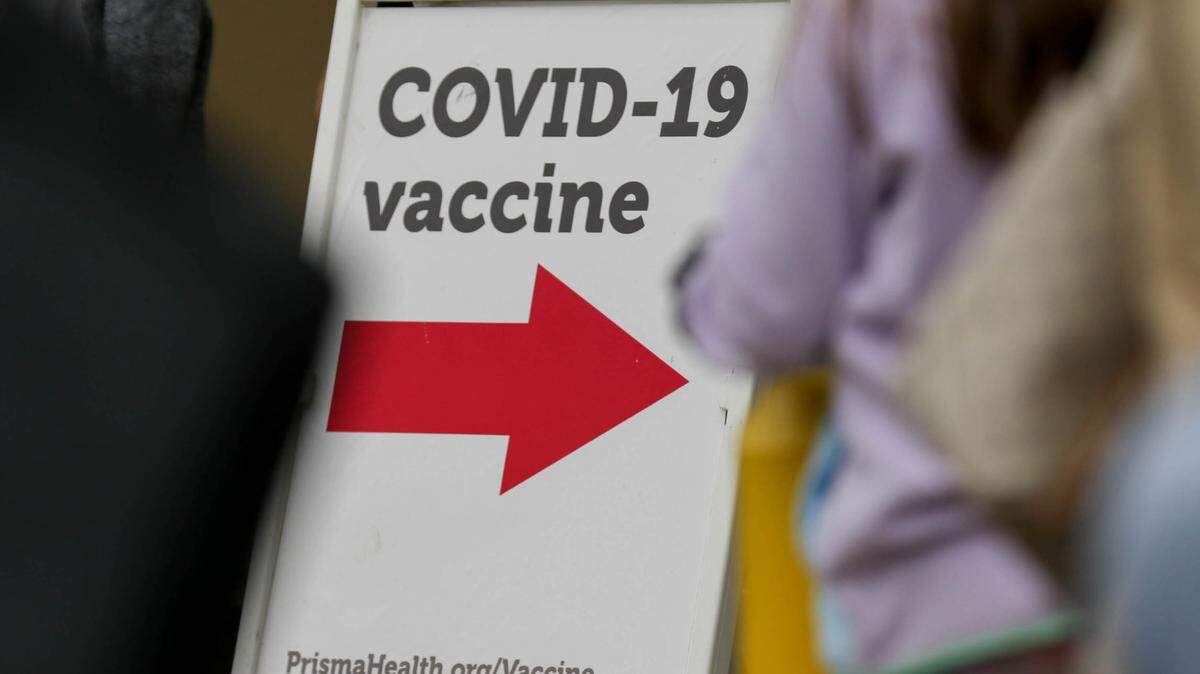
The moments leading up to COVID-19 vaccination could be stressful or nerve-wracking for some, but new research suggests people are better off quieting their mind before they roll up their sleeves.
A survey of more than 550 vaccinated adults found people who expected to feel side effects such as headaches, fatigue or arm pain were “much more likely” to experience them than those who did not anticipate the reactions.
What’s more, expectation trumped other predictive factors known to influence the likelihood of experiencing side effects, such as the specific vaccine a person received, age and prior coronavirus infection, according to the study published Nov. 4 in the journal Psychotherapy and Psychosomatics.
Previous research has shown the mind to be a powerful tool in determining the success or side effects felt from medical treatments, but University of Toledo researchers in Ohio said their study is the first to analyze psychosocial factors with COVID-19 vaccines.
The findings could explain why some people feel side effects while others don’t — and they offer valuable insight into vaccine hesitancy, researchers say, especially as people in the U.S. roll up their sleeves a third or fourth time for coronavirus booster shots.
“This really shows the power of expectations and beliefs, even in something that we know is very physical,” lead study author Dr. Andrew Geers, a professor in the UToledo department of psychology, said in a news release. “It appears that the effect that comes out of the vaccine is being shaped by psychology — by expectations and worry. If we’re able to reframe and think about side effects differently, it might reduce the experience of side effects.”
A YouGov and Economist poll conducted in July found that 90% of people who reject COVID-19 vaccination fear potential side effects from the shot more than they fear the disease itself.
Another July poll by the Kaiser Family Foundation found the main reason unvaccinated people do not want to get their shots is because of side effects concerns. The same poll found a quarter of people who used to be hesitant about getting vaccinated decided to get a shot because their family and friends didn’t experience side effects.
The new study consisted of a pre-vaccination survey completed in April and a post-vaccination survey completed from May to July.
The 551 participants initially answered questions about their expectations for seven of the most commonly reported COVID-19 vaccine side effects — injection site pain, fever, chills, headache, joint pain, nausea and fatigue. Three months later, they reported which side effects they experienced.
This story was originally published November 8, 2021 at 12:10 PM.