Coronavirus weekly need-to-know: Kids vaccine, cholesterol drugs, vaccine card & more
Each week, we offer you a roundup of our noteworthy coronavirus coverage.
More than 45.9 million people in the United States have tested positive for the coronavirus as of Saturday, Oct. 30, according to Johns Hopkins University. That includes more than 745,000 people who have died nationwide.
Globally, there have been more than 246.2 million confirmed cases of the highly infectious virus, with more than 4.9 million reported deaths.
More than 191.2 million people in the U.S. are fully vaccinated against COVID-19 as of Oct. 28 — about 58% of the total population, a Centers for Disease Control and Prevention tracker shows. More than 15.4 million people have received a booster dose.
Here’s what happened between Oct. 22 to Oct. 28.
Kids ages 5-11 may soon get Pfizer COVID-19 vaccine
A U.S. Food and Drug Administration advisory committee voted in favor of authorizing Pfizer COVID-19 vaccines for children ages 5-11 on Oct. 26 based on data that shows the shots safely help kids produce robust immune responses against the coronavirus.
The vaccine would be administered in two small doses, a third of the amount given to teens and adults, given three weeks apart. Officials found the smaller dose offered adequate protection and led to less intense side effects.
Now, the FDA must officially authorize the Pfizer vaccine for children ages 5-11; the group usually follows the advice of its expert panel but doesn’t have to. Then, a Centers for Disease Control and Prevention advisory panel must discuss and make its own recommendations, which typically follow those set forth by the FDA.
The CDC is scheduled to meet Nov. 2. Once the agency issues its advice, the director, Dr. Rochelle Walensky, must approve the recommendations before millions of kids ages 5-11 can roll up their sleeves as early as Nov. 3.
4th COVID-19 shot available for immunocompromised people. Will they need one every year?
Some people with weakened immune systems can now receive a fourth COVID-19 shot to boost protection against the disease, which they may not have received enough of the first, second or even third time around, according to updated guidance posted on the CDC website.
COVID-19 vaccines do a remarkable job in protecting people from severe disease, but evidence shows immunocompromised people may not develop as robust antibody responses — or any at all. And doctors aren’t sure how that translates to protection against COVID-19 for anyone, though data from other vaccines shows higher antibody levels typically equal greater immunity.
But experts agree more data is needed to know if people with weakened immune systems will need to get a COVID-19 vaccine every year. Researchers are still learning how long natural and vaccine-induced protection lasts for COVID-19.
Continue reading to learn more about fourth doses for immunocompromised people.
Do cholesterol drugs reduce COVID-19 risks? Study findings are conflicting
In the middle of public health emergencies, doctors and scientists often turn to existing therapies and medications and apply them to new diseases in the hopes they play a helpful role in reducing illness severity or death.
However, just one of the many drugs that have been explored during the COVID-19 pandemic continues to produce conflicting results: statins, or medications that lower cholesterol.
Some studies show statins are associated with — but do not directly cause — improved COVID-19 outcomes, such as reduced risks of severe disease and death. Others show the opposite, including a new study researchers with Johns Hopkins Medicine shared Oct. 26.
Here’s what studies have found on statins and COVID-19 so far.
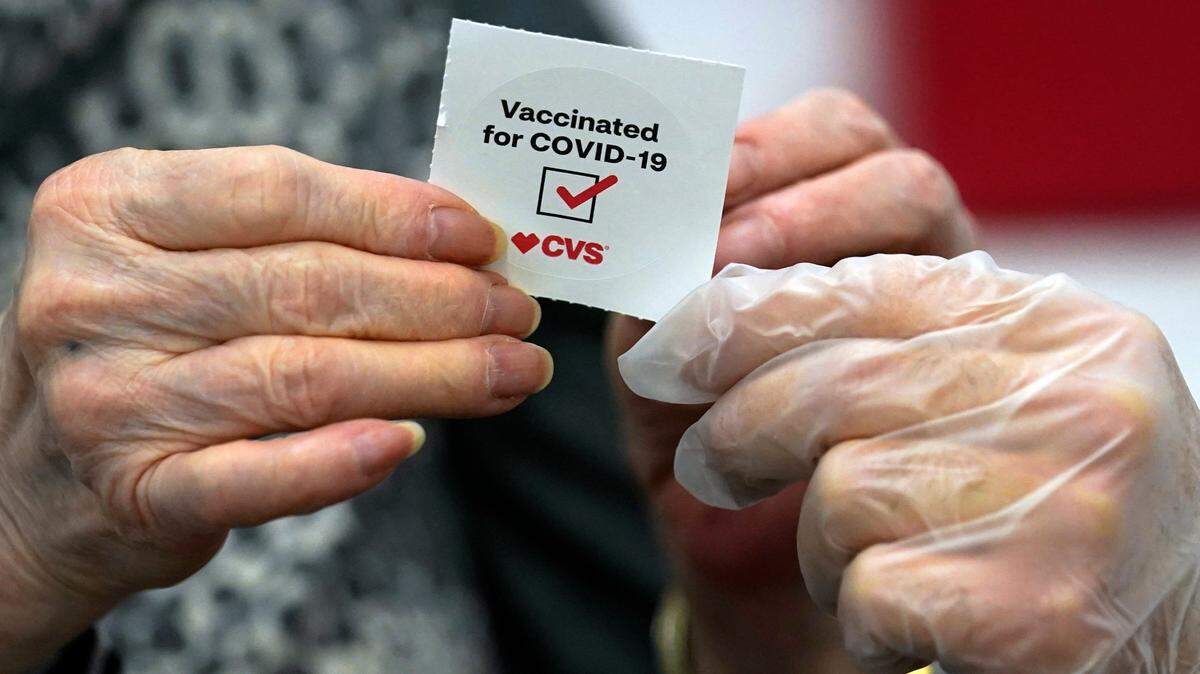
You can now add your COVID-19 vaccine card to your Apple Wallet
Apple users are now able to put their COVID-19 vaccination records in their Apple Wallet, a feature that has been requested for most of this year.
The feature was released Oct. 25 in Apple’s iOS 15.1. The software update allows people with iPhones to retrieve their vaccine records directly from their Wallet. First, you’ll need to make sure you have the latest software downloaded.
To do this, go to “Settings,” then “General” and “Software Update.” From there, you’ll follow the steps to download the update.
COVID-19 vaccines boost antibodies in airways after infection
When you’re infected with the coronavirus, your body pumps out special proteins called antibodies that help protect you from getting sick again. They stick around for months or years, slowly diminishing with time.
Now, a new small study shows antibodies lodged in your airways wane more quickly and completely disappear three months after infection compared to those swimming in your blood, which remain stable for at least eight months.
But vaccination can quickly trigger a strong increase in antibody levels, both in the blood and airways, especially after two doses of a two-dose vaccine, including the Pfizer and Moderna shots.
Here’s why that matters.
Memory problems continue to affect people with long COVID-19
For some, coronavirus-like symptoms linger for weeks or months after their initial infection subsides. Experts call the condition long COVID-19, and it’s been known to affect nearly every organ in the body.
Research shows thousands of long-COVID-19 patients report feeling “brain fog,” a non-scientific term used by some people to describe their sluggish or fuzzy minds.
Now, a new study adds to the growing body of evidence on the topic. Research on 740 people who were experiencing long COVID-19 an average of seven months after their infection cleared found the most common problems involved memory encoding (24%) and memory recall (23%).
11 coughing, sneezing lions test positive for COVID-19 at Denver Zoo
Eleven lions at the Denver Zoo have tested positive for COVID-19, zookeepers say. The lions were tested for COVID-19 after zookeepers noticed them coughing, sneezing, having nasal discharge and acting lethargic.
The lions received nasal swab tests, which confirmed that they tested positive for the virus, according to a Oct. 25 news release from the zoo. Animal care staff and veterinarians describe the lions’ symptoms as relatively mild so far, and they are keeping a close eye on the lions and treating them individually as needed.
This story was originally published October 29, 2021 at 7:07 AM.