Struggling to pay rent because of COVID? Here’s how to apply for aid in Miami-Dade
Miami-Dade residents struggling to pay rent during the pandemic can now apply for the county’s emergency rental assistance program.
Applications became available again at 9 a.m. June 14. They can be found at http://www.miamidade.gov/global/housing/emergency-rental-assistance-program.page. The deadline to apply is 5 p.m. on June 25.
Tenants apply for the relief and, if approved, the rent payment will be mailed directly to their landlords. Landlords can also refer their tenants to the program. Case workers hired by the county will contact the renters to start the application process.
People who live in Miami-Dade County can apply as long as they meet the eligibility criteria.
The program has already helped nearly 1,600 families with an average award of $7,500, totaling nearly $12 million in relief since March, according to the county. Eligible applicants will be able to receive up to 12 months of assistance to help pay back rent and an additional three months of future rent, if needed. The program will cover up to $3,000 a month.
Interested in applying? Here’s what else you need to know:
Who can apply for Miami-Dade County’s rent relief program?
Miami-Dade County residents who meet the following criteria can apply:
▪ Unable to pay full rent because of a financial hardship caused by COVID-19, such as losing a job.
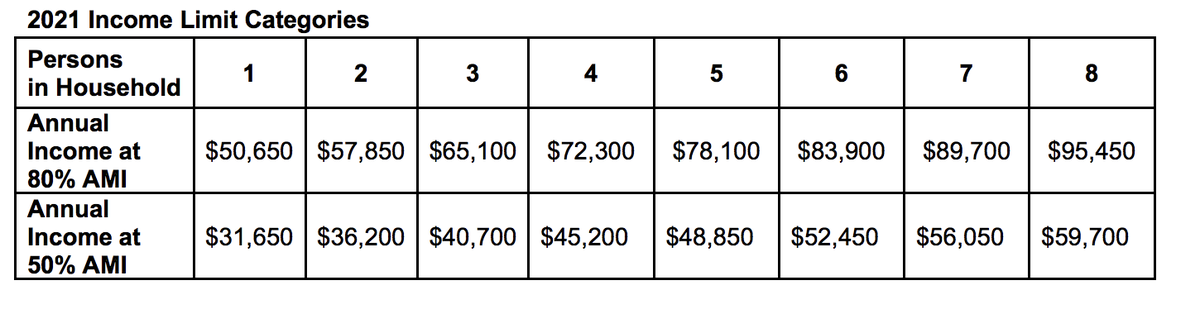
▪ Household income does not exceed 80% of the annual area median income for Miami-Dade County. A one-person household’s maximum area median income, for example, is $50,650, and a four-person household’s is $72,300.
▪ There must be an executed lease between the renter and the property owner or landlord.
▪ You must certify that the rent relief will not be used for costs that have been or will be reimbursed by other government rental assistance programs related to COVID-19, or monthly federal housing programs, including Housing Choice Voucher (Section 8) and Veteran Affairs Supportive Housing.
Renters who received rent relief through the county’s previous emergency rental assistance programs can still apply for this round. However, you will not receive assistance for months of rent for which you previously received assistance.
How can I apply for Miami-Dade County’s emergency rental assistance program?

The county recommends people apply online instead of in person to avoid the risk of the application getting lost or missing pages.
To apply online, visit http://www.miamidade.gov/global/housing/emergency-rental-assistance-program.page. If you’re on a desktop or laptop, look to the upper right-hand corner for a blue “Apply Online” button.
Those who don’t have access to the internet can also pick up and drop off applications at two drive-thru locations from 9 a.m. to 5 p.m. Monday, June 14, through Friday, June 25.
▪ Victory Homes, 520 NW 75th St.
▪ Homestead Gardens, 1542 SW Fourth St.
The deadline to apply online or in person is June 25 at 5 p.m.
What documents do tenants and landlords need to submit?
Once your application is processed and your eligibility is confirmed, a county employee will contact you about submitting documents. A list of required documents can be found on the application. Originals will not be accepted, so make copies.
For tenants, some of the required documents will include: showing proof of how COVID has affected you financially (Example: layoff letter or unemployment claim); a copy of your current lease; a current government-issued photo ID for all household members (Example: driver’s license, passport) and proof of current income for all household members.
For landlords, it includes presenting a W-9 form and signing an agreement with the county accepting the rent assistance.
You’ll have 48 hours to submit the requested documents by email to your case manager or by dropping it off at one of the previously mentioned drive-thru locations, according to the program’s FAQ guide. The county recommends sending the documents by email. All emails must include the name of the applicant and the application number.
Another thing to keep in mind: If your landlord doesn’t want to participate in the program, your application will not be processed. If this situation comes up, the county says it will try to get landlords and tenants to “work together to resolve problems” and will also notify tenants of landlords who are not cooperating.
How do I know if I will get aid?
Tenants will be notified via email whether or not they were approved, with approvals set to be finalized no later than the end of August, according to the county. This could take longer depending on how many applications were received.
I have more questions. What is the contact?
Tenants can contact the Miami-Dade County Department of Public Housing and Community Development by calling 305-723-1815 between 8 a.m. and 5 p.m. You can also email questions to ERAP@miamidade.gov.
Landlords can email LandlordsERAP@miamidade.gov or call 786-688-2440.
This story was originally published June 14, 2021 at 10:48 AM.