After a difficult year, here’s what Florida veterans are looking forward to post-pandemic
Lisa Crutch is an Army veteran. And she could use a vacation.
But she’s nervous about walking through an airport or sitting on a plane. Two of her kids are flight attendants and tell her, “But Mom, everybody’s flying.”
It’s not that easy.
The 54-year-old hasn’t liked crowds and tight spaces since she returned from serving in Iraq more than a decade ago. The pandemic, she said, has “just enhanced” it.
While adjusting to life in the time of COVID hasn’t been easy for the retired sergeant, she’s managed.
“You never know how important things are until they’re taken away from you … but you know, the Army always teaches us to adapt and overcome,” Crutch said.
She’s found new ways to help manage her post-traumatic stress disorder and a traumatic brain injury when she couldn’t visit her doctors in person. She’s tried virtual visits. But it’s not the same.
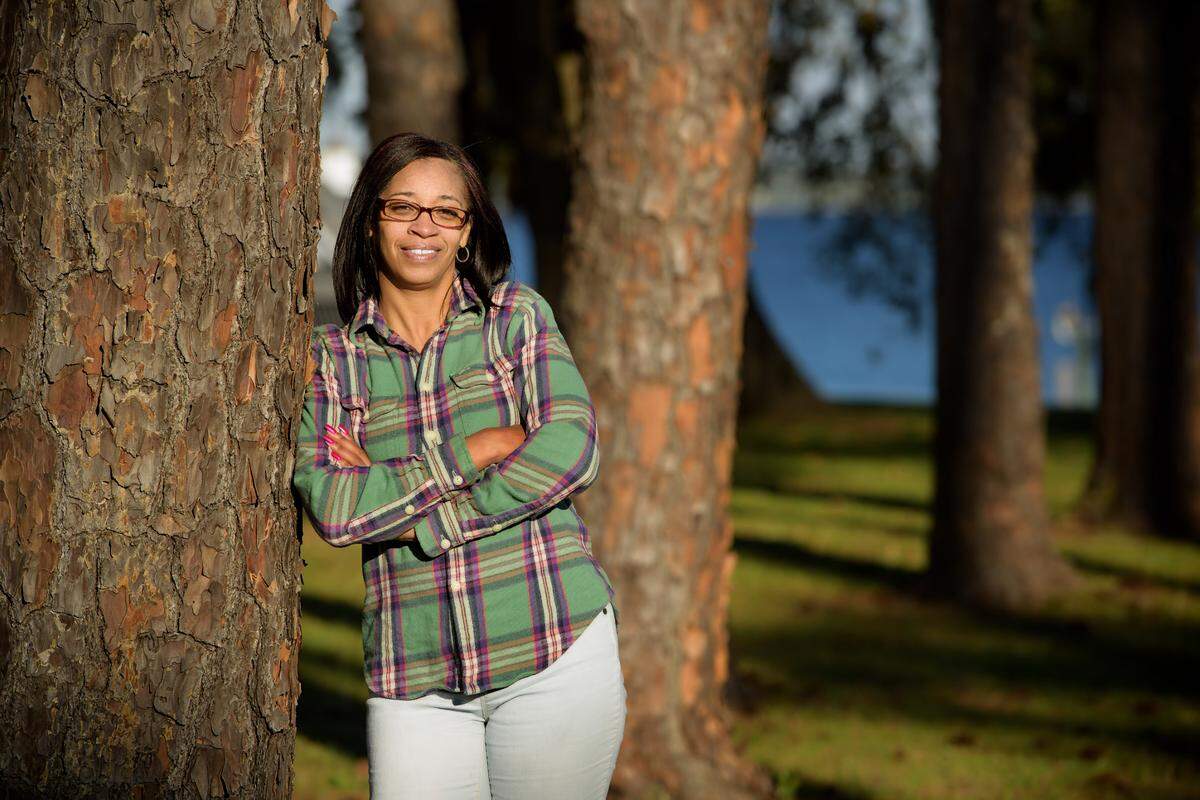
Now that more places are reopening as people get vaccinated, the Jacksonville woman is hoping life will return to normal soon and she can visit her doctors in person again. And she’s not the only one.
Many people across the country lost their jobs, saw an increase of food insecurity or struggled with isolation during the pandemic. But the crisis has been agonizing for veterans, many already grappling with the long-term effects of PTSD, depression or other invisible wounds.
“It really became that perfect storm,” said Dr. Melanie Mousseau, vice president of program operations and partnerships at Wounded Warrior Project, a nonprofit veteran organization.
How did the pandemic affect veterans?
When the Jacksonville-based nonprofit sent out its annual survey last year during lockdown, it found that out of the nearly 30,000 post-9/11 veterans that responded, more than half said their mental health had worsened since social-distancing from others.
A follow-up report it published in December, funded by fortune 500 company CSX, analyzed the responses of post-9/11 veteran members who were experiencing PTSD, depression, loneliness, or suicidal thoughts. It found that those veterans were roughly three times as likely to have mental, physical and social challenges during the pandemic compared to veteran members who did not.
Mousseau said the lack of social connection veterans faced during the pandemic magnified the burdens they were already experiencing, but it doesn’t mean the pandemic was the sole cause.
“It’s like taking the stove and you’re on a simmer, and you turn the heat up a little bit, it makes it boil at a more rapid pace,” Mousseau said. “How do we bring that down? Through treatment and support and mental health counseling and getting it timely and making sure it’s accessible.”
And luckily, Mousseau said that most veterans who responded to the survey said they had a good support system in place or knew where to go if they needed help.
She said the nonprofit moved many of its free support services online and increased its outreach efforts last year to make sure veterans knew they had something to lean on.
The nonprofit’s free telephone mental health program, WWP Talk, that existed prior to the pandemic, handled 22,925 calls from April 2020 through March 2021, nearly 6,000 more calls than the previous year.
The Miami VA system, which expanded its telehealth services during the pandemic, also saw an uptick in the number of veterans seeking mental health treatment during the pandemic. About 40% of its patients are using at least one mental health treatment program, up from a third of patients before the pandemic, said Shane Suzuki, a Miami VA spokesman.
The hospital attributes the increase to the global pandemic and that it never stopped providing services, including face-to-face treatment, when necessary.
Local veteran organizations, like the Broward Veterans Coalition, felt the strain, too.
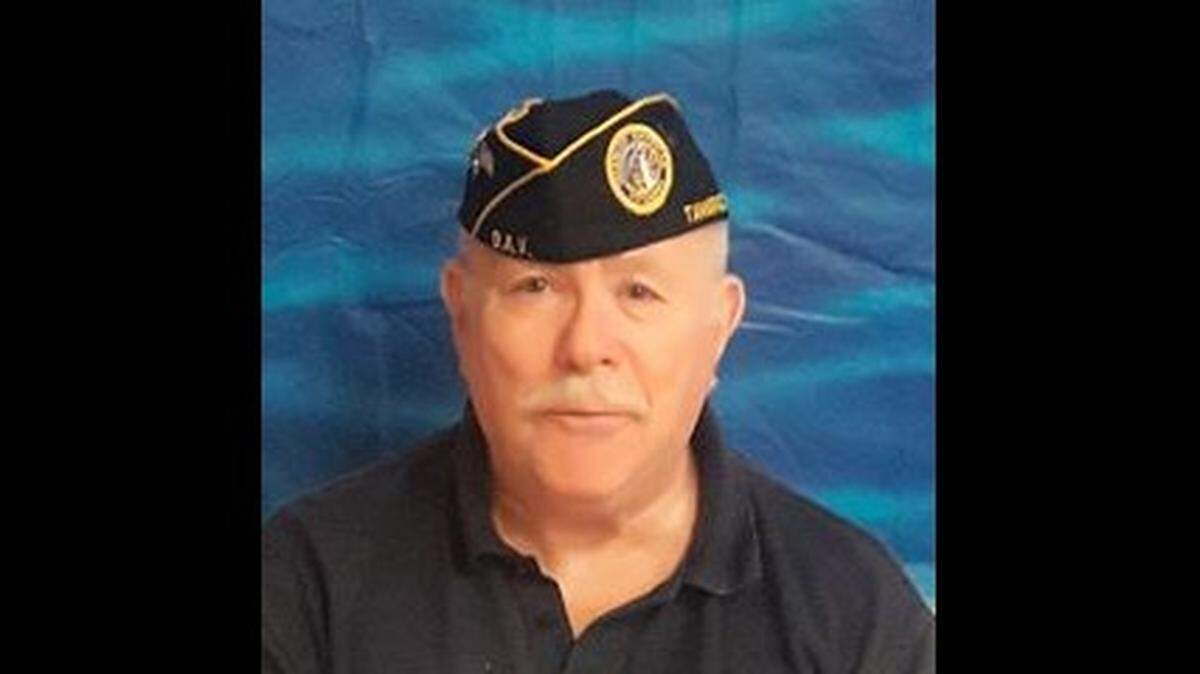
“I get a lot of phone calls from a lot of veterans that are suffering from post traumatic stress from Iraq, Afghanistan, also from Vietnam era. And yes, it’s very difficult for them because they’re locked up, they don’t have any social interaction with people. And the demons that are in their head, you know, are difficult for them to control,” said Stanley Pannaman, a Marine Corps veteran who was part of the first combat regiment in Vietnam and is the president of Broward Veterans Coalition. “At least they can use me as a sounding board.”
But the 78-year-old is hopeful life will return to normal soon now that more people are vaccinated and COVID rules are loosening.
What Florida veterans are looking forward to after the pandemic
Pannaman got his COVID-19 vaccine in February through the Miami VA, which has now vaccinated more than half of its patients and has expanded vaccinations to spouses and caregivers, too.
And last month, he went to the Tamarac Veterans Affairs Committee’s first in-person meeting since the pandemic began last year. Being able to see everyone, even with masks on and social distancing, was a moment of joy, he said.
Now, the great grandfather is looking forward to taking a trip to North Carolina, possibly in the summer, to meet his new grandchild, who was born during the pandemic.
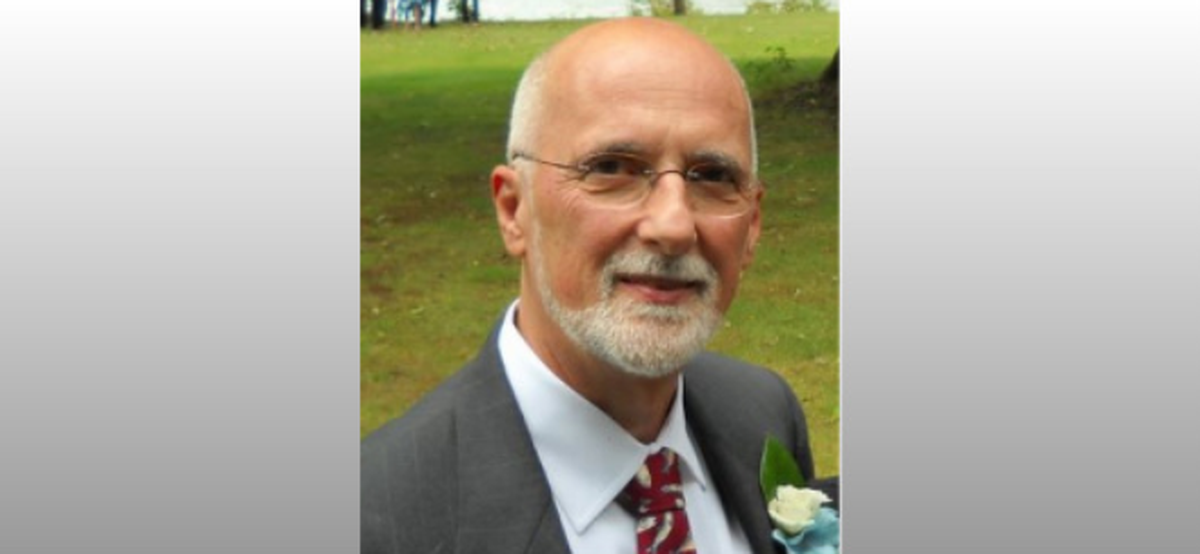
George Robert, an Army veteran who was deployed to Berlin in Germany during the Cold War-era now lives in Hollywood and is a member of the Veterans of Foreign Wars chapter in West Park. He also has family reunions on his to-do list now that he was vaccinated through the Miami VA.
His family’s annual reunion in Massachusetts was canceled last year because of the pandemic. It’s usually held in August at a camp site with 70 to 110 family members. Robert hopes he can see his 12 grandchildren, five great grandchildren and the rest of his family soon but he’s not sure the reunion will happen this year.
“I usually go every year,” the 72-year-old said. “I miss it.”
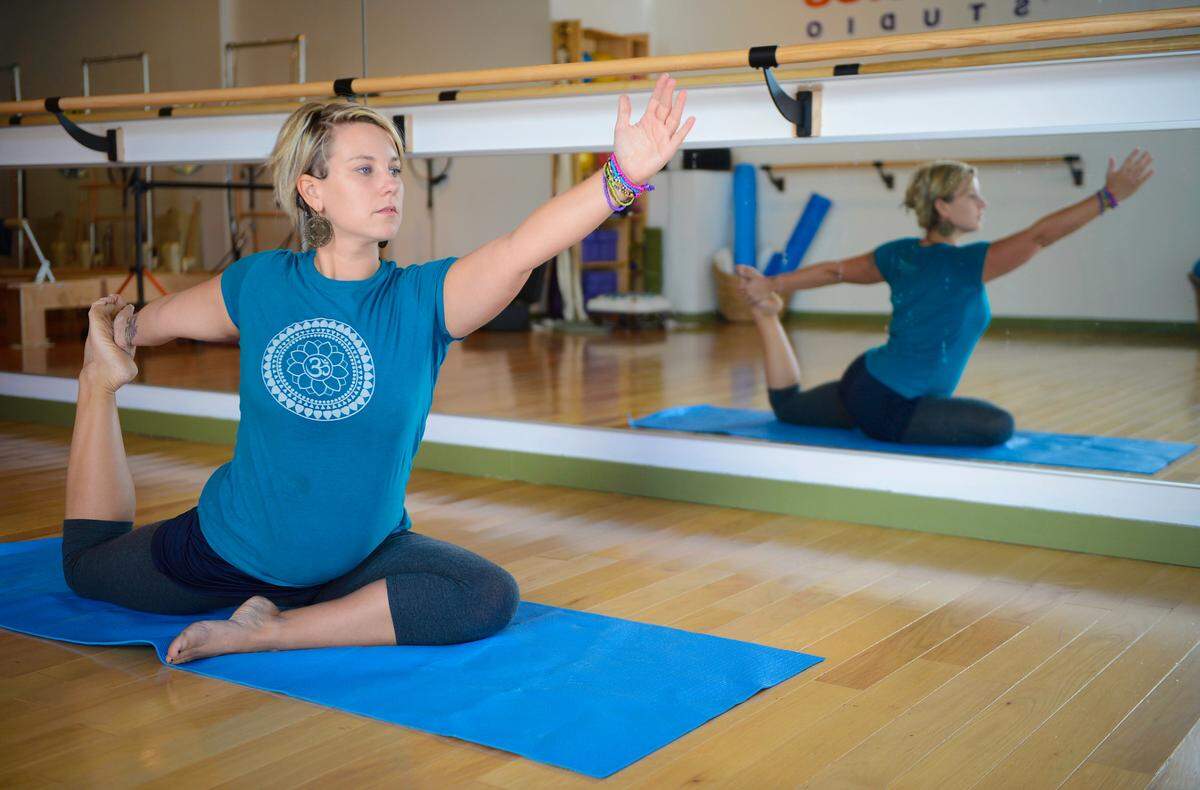
Jessica Coulter, an Air Force veteran who was deployed to the Middle East twice and a mother of two, is also waiting for the day life can return to normal. She just wants to dance again.
“I’m an ‘80s baby so Ol’ Dirty Sundays is right up my alley,” Coulter said, referring to a weekly bar party.
The 39-year-old works as a yoga instructor at the Tampa VA. The pandemic made her classes go virtual. She had to pause the veteran community open mic night she used to host. She became the “principal” of her son’s virtual high school.
In the midst of an unexpected move during “prime pandemic lockdown,” Coulter learned that her 73-year-old mother, an English teacher and a Vietnam Navy veteran who lives in Rhode Island, fell ill (not from COVID) and was hospitalized. No one could get to her. The hospital wasn’t accepting visitors. And then a friend died from cancer.
After years of being in recovery, Coulter, who is a military sexual assault survivor, knew she needed to take some time to step back and “breathe.”
“I think a lot of us veterans who suffer from invisible wounds and things you can’t see, we don’t give ourselves enough credit for making it through each and every day,” said Coulter, who comes from a military family. “And I think a lot of us work really, really hard to manage our symptoms, so that we can work through these things when they happen day after day after day after day, it does take a toll. It takes a toll. And my body took a toll.”
Since then, she’s established some new routines. She takes a walk every day. And while she can’t dance her stress away like she used to, she and her friends send each other videos of themselves dancing. Her mom is also doing fine and is looking forward to retiring next year.
Now, the yoga instructor has some advice for others still trying to get through the pandemic.
“Take a pause, and close your eyes, and just take a few deep breaths … It’s gonna help you reset yourself. By simply breathing, you can help yourself relax. So one breath at a time, one day at a time.”
Resources for veterans
▪ National Veteran Crisis 24/7 Hotline — Call 800-273-8255 then select 1. You can also text 838255 or call TTY 800-799-4889. Confidential chat also available online at mentalhealth.va.gov.
▪ National VA Homeless 24-7 Hotline — Call 877-424-3838
▪ Florida Veterans Support Line — 844-MyFLVet (693-5838) or 211
▪ COVID-19 vaccines for Florida homebound veterans — Visit https://www.floridavets.org/homeboundveterans/ to request an appointment or call your local VA office.
▪ Miami VA Mental Health Access Line (this is an informational line on what mental health services are available) call 305-575-3214
▪ Wounded Warrior Project — For a list of resources available to post-9/11 veteran members, visit https://www.woundedwarriorproject.org/programs
This story was originally published April 28, 2021 at 8:47 AM.