When the mutant COVID virus gets to Florida, will we know? Scientists are worried
A mutated and likely more contagious strain of the novel coronavirus that raised alarms across the global scientific community was discovered in two U.S. states earlier this week.
It’s unclear if it’s in Florida yet, but at least one prominent scientist in the state said this week that officials at the state health department aren’t doing enough to monitor for it and coordinate wider efforts with academic researchers in places like Gainesville and Miami.
The complex work of “genomic sequencing,” or studying a virus as it changes, is in the global spotlight after the so-called “U.K. variant” sparked widespread concern that it is more contagious due to its rapid spread across southern England. Some scientists have attributed that phenomenon to the virus strain producing more copies of itself in the respiratory tracts of infected people.
The U.K. strain, which is named for the United Kingdom where it was first detected, was likely discovered there because the U.K. does more monitoring for virus mutations than other countries. About half of the 350,000 known sequences of the virus come from the U.K.
It has since been discovered in other places including in two U.S. states: Colorado and California. In those states, public health officials appear to be collecting more samples of the virus and analyzing it to see if the genetics are changing.
One of the relatively few Florida scientists capable of doing that type of work says there’s not nearly enough genetic analysis happening in the state when it comes to the COVID virus. He said the state’s public health officials are working hard, but lack the funding to scale up their efforts, which is why he believes they should be collaborating more with academic researchers.
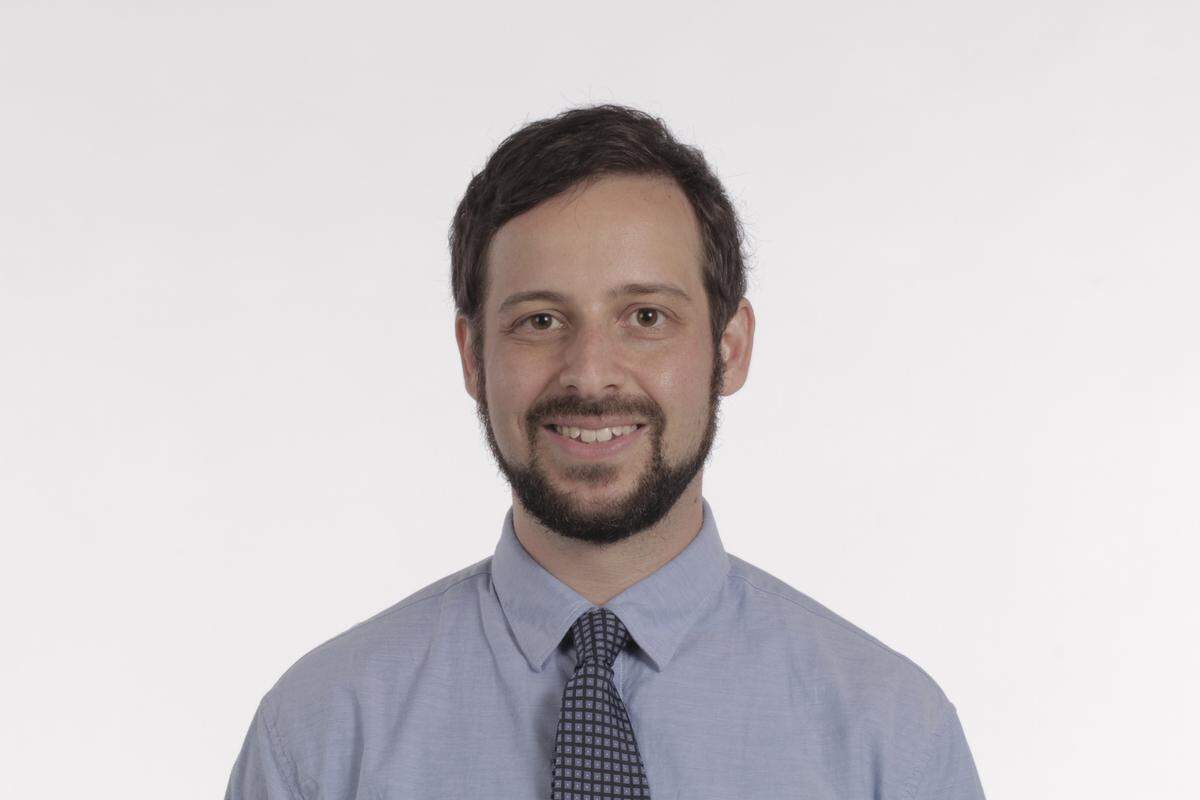
“We are terribly behind,” said Marco Salemi, a University of Florida professor and molecular biologist who has been studying the spread of infectious diseases for 30 years. “We are terribly behind in terms of what’s happening in the rest of the country, and we are terribly behind what’s happening in other countries, like the U.K.”
That means Floridians likely won’t have much of a warning if the mutated virus surfaces. And that’s a “major problem,” said Salemi.
A spokesperson for the Florida Department of Health said the agency has studied nearly 3,000 samples of the virus and uploaded its findings publicly. The agency, he said, is working closely with the U.S. Centers for Disease Control to monitor for changes in the virus’ genetic makeup and better understand how it is spreading.
But Salemi said that while state health officials have been analyzing — or sequencing — the SARS-CoV-2 virus that causes COVID-19 in Florida, they haven’t shared the specifics about their findings with his laboratory. The state has uploaded its genetic sequences of the virus to the public domain, Salemi said, but there is a lack of “metadata” about details like whether the person the virus sample came from had symptoms, or where they might have been infected.
“We have so very little data and so very little help from the state to actually coordinate the sequencing action that right now we are kind of flying blind,” he said.
Dr. Ashish Jha, dean at the Brown University School of Public Health, said that Florida isn’t alone, and most states need more ambitious efforts to monitor how the virus is changing. That’s because the public needs to know immediately if research shows the U.K. variant is more contagious or resistant to vaccines.
“You want to know that very, very early — both so you can put in place new policies, and so you can warn people and they can be more vigilant,” he said.
Jason Mahon, a spokesperson for the Florida Department of Health, said the agency’s lab uploads sequences of the COVID virus to global and national databases that are accessible to the public and academics, and that “department staff track and catalog every variant no matter how minor from every Florida specimen sequenced.”
The state’s health department has been sequencing the virus for a CDC program called “SPHERES,” or the Sequencing for Public Health Emergency Response, Epidemiology and Surveillance. That national program allows health officials to coordinate their efforts through that consortium, Mahon said.
Salemi, the UF professor, said that a wider effort involving more scientists mapping the genetic sequences of Florida COVID virus samples would help researchers determine whether the virus is mutating enough to escape antibody responses and re-infect people who have already had the disease.
The analysis also could offer more information about clusters of the virus and how it spreads. Contact tracing — the tried-and-true public health technique of tracing an infected person’s contacts — could have helped, but the effort was quickly overwhelmed by the number of cases in Florida, Salemi said.
Studying the different strains of the virus circulating in Florida on a massive scale similar to the U.K. would allow public health experts in the U.S. to figure out how the virus is spreading by tracking which people have similar strains.
“We can very easily track the transmission, and of course, we can also track the emergence of new variants to see how they are responding to vaccination, and all of these important aspects, but we need to do it,” Salemi said. “And we need to do it now. It’s kind of disheartening that this is not happening.”
This story was originally published December 31, 2020 at 2:44 PM.