The COVID-19 vaccine has arrived in Florida. When can you get it and where?
UPDATE 12/22/2020: Florida has now also received its first batch of Moderna’s COVID-19 vaccine, which received emergency use authorization by the FDA Friday. For information about Pfizer, continue reading below. For info about Moderna’s vaccine, click here.
Read original article below:
Healthcare workers and residents at long-term care facilities in Florida will be rolling up their sleeves to get their first doses of the COVID-19 vaccine this week.
First up for the Pfizer-BioNTech COVID-19 vaccine are healthcare workers at five Florida hospitals, two of which are in South Florida: Jackson Health System in Miami-Dade County, Memorial Healthcare System in southern Broward County, Tampa General Hospital, AdventHealth Orlando and UF Health Jacksonville.
“Strike teams” will also be sent to long-term care facilities, whose residents are considered to be one of the most at-risk groups for the novel coronavirus.
The vaccine received emergency use authorization by the FDA on Friday and can be administered to people 16 and older. Florida began receiving the vaccines Monday morning and is expected to receive a total of 179,400 doses of the vaccine during this first batch, which means it will still take several months before everyone who wants to get vaccinated can do so.
While there are still a lot of questions on how distribution will work, here’s what we know so far about the vaccine, how it works and where you can get it:
Who can get the COVID-19 vaccine in Florida? Is it mandatory?
The Centers for Disease Control and Prevention announced earlier this month that vaccination priority should be given to healthcare workers and residents of long-term care facilities first. Then on Sunday, a CDC advisory panel recommended that next in line should be older adults, ages 75 and older, and “frontline essential workers” including teachers, police and firefighters, and public transit and grocery store workers.
Next would be adults between the ages of 65 and 74, and anyone 16 and older with medical conditions that make them high risk for COVID-19 complications. Once these groups get their shots, the CDC recommends giving the vaccine to other essential workers including people who work in construction, media, the legal sector, and water and waste management.
A draft of Florida’s COVID-19 vaccine distribution plan has similar recommendations though it’s not identical. After healthcare workers and residents in long-term care facilities, the state plans to prioritize people 65 and older, those with certain medical conditions and essential workers.
Once these groups get their shots, vaccine supplies would then become available to everyone else, likely in the spring, according to McClatchy News. And by that point, there will probably be more than two authorized vaccines on the market.
Based on the current guidelines, the Pfizer vaccine can only be administered to those 16 and older. Gov. Ron DeSantis has also said that the vaccines will be optional in Florida.
Where can I get the COVID-19 vaccine? Will it be available at a testing site and will it cost money?
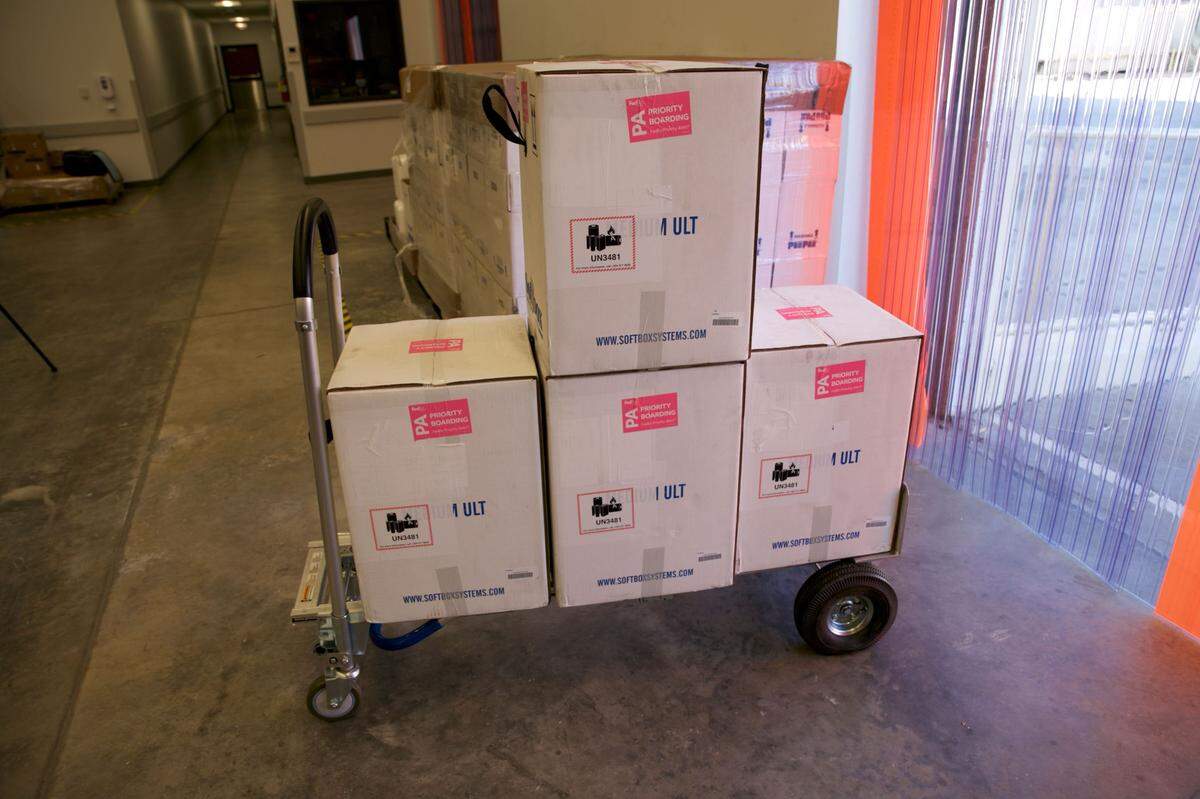
Once hospitals and long-term care facilities have distributed their vaccines, Florida’s vaccination plan mentions the possibility of opening vaccination sites or clinics similar to those that are currently open for COVID-19 testing.
The plan also mentions having routine healthcare providers and select hospitals offer vaccines to patients who seek care in their emergency departments, urgent care centers and outpatient offices.
Walgreens and CVS, which are helping to distribute the vaccine to long-term care facilities, say they will also have the COVID-19 vaccines at their pharmacies once supplies become more available in 2021. Other independent and chain pharmacies will also have vaccines available sometime next year, including Publix, Winn-Dixie, Fresco y Mas, Costco and Walmart.
Will the vaccine cost money?
U.S. taxpayers seem to be paying the bill for now.
“Vaccine doses purchased with U.S. taxpayer dollars will be given to the American people at no cost,” the CDC says.
Vaccination providers can charge a fee for giving the shot to someone but the CDC says the fee can be reimbursed using the patient’s public or private insurance. For uninsured patients, the fee can be reimbursed by using the Health Resources and Services Administration’s Provider Relief Fund.
How many doses of the Pfizer vaccine do I need? Can I still fall ill with COVID?
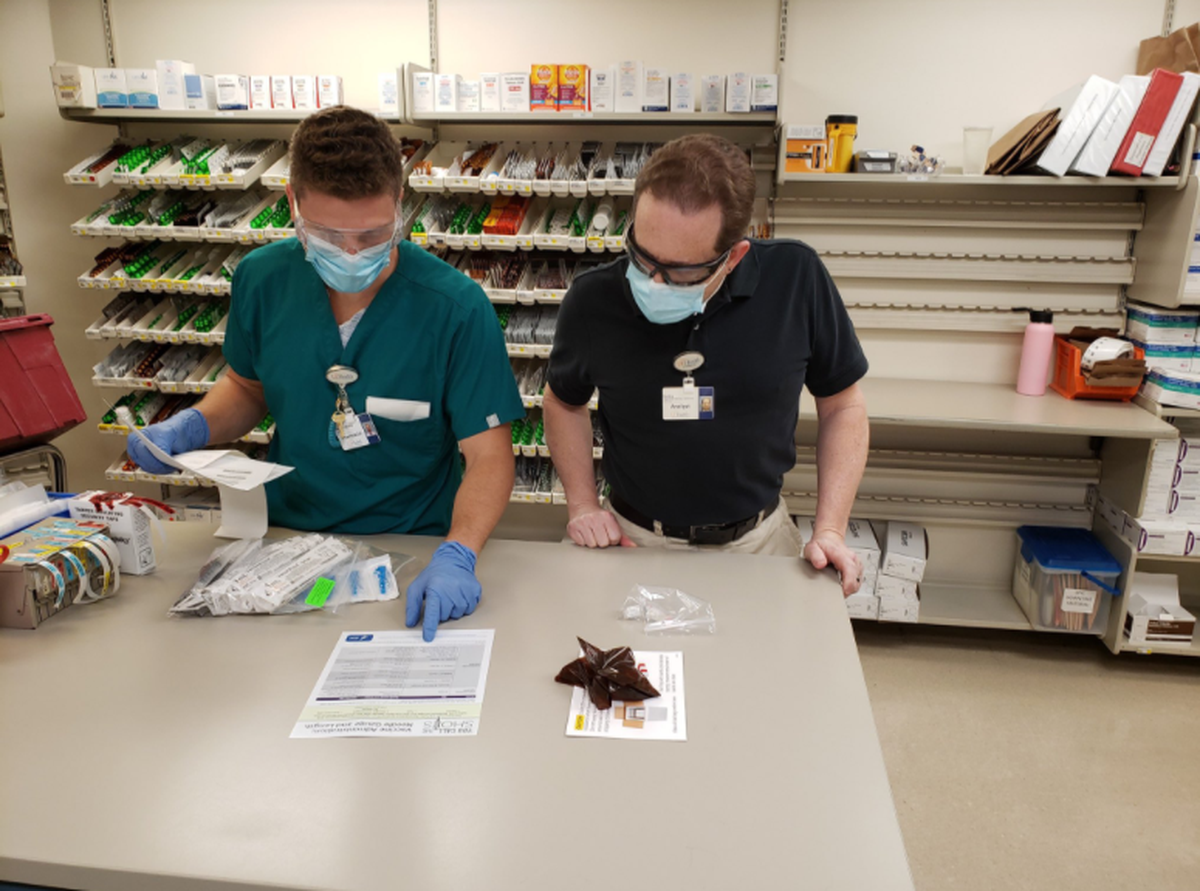
The Pfizer COVID-19 vaccine requires you to get two shots, three weeks apart. While it will not give you COVID-19, you may experience some side effects, including headaches, muscle pain and fever. “Keep in mind that these side effects indicate that your immune system is responding to the vaccine” and are common with vaccinations, according to the Mayo Clinic.
And before you ask, yes, you still need to wear a mask, follow social distancing guidelines and wash your hands frequently even if you were vaccinated. That’s because not everyone will be vaccinated or will not be able to get the shots right away.
The other reason is that while clinical trials have shown the vaccine is effective against the disease, it’s still not known if it will prevent the infection entirely or just from symptoms, according to The Associated Press.
This means a vaccinated person might still be able to get infected and transmit the virus to someone else though transmission would be less frequent, the AP reports.
Who should not get the Pfizer COVID-19 vaccine?
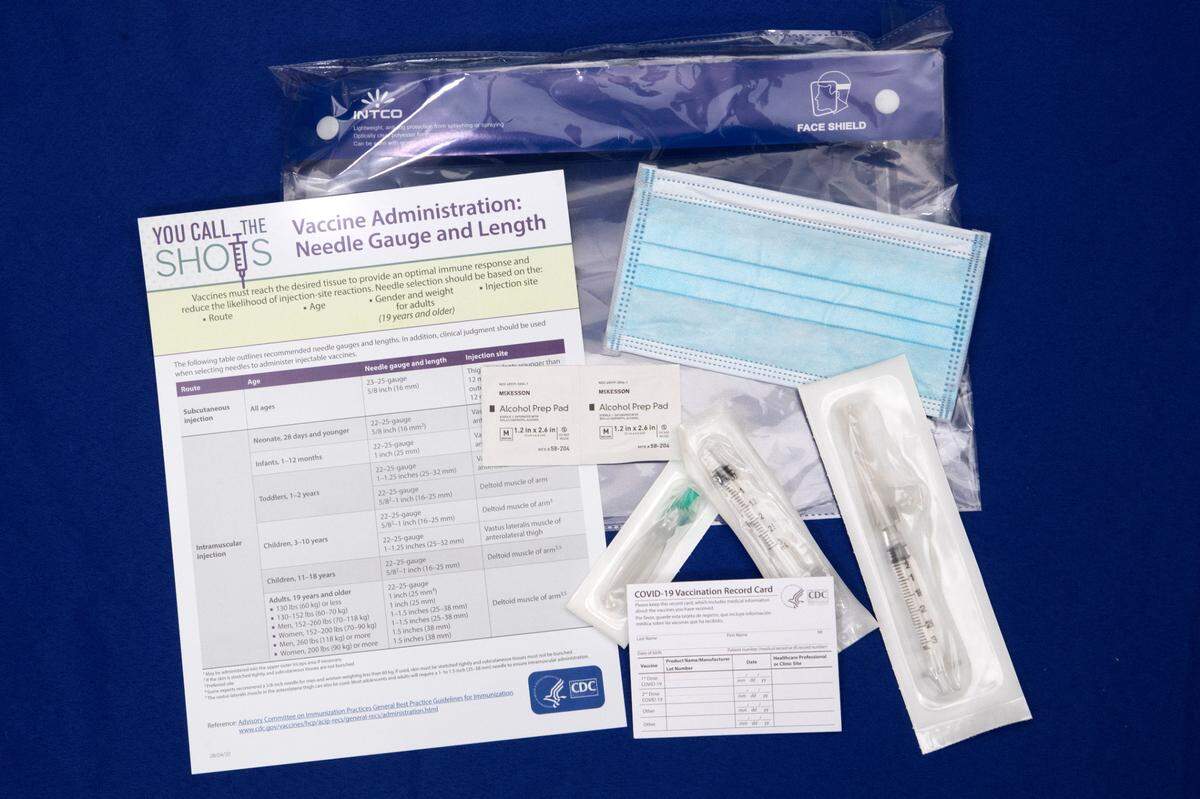
The U.S. Food and Drug Administration says those who have had a severe allergic reaction to any of the vaccine’s ingredients should not get the shots. For a list of the vaccine’s ingredients, visit https://www.fda.gov/media/144414/download
Anyone who gets a severe allergic reaction after receiving the first dose of the Pfizer vaccine should also not get the second shot, according to the FDA. Those who are pregnant or breastfeeding should speak with their healthcare providers first.
Severe allergic reactions, while rare, usually occur within a few minutes to one hour after getting a dose of the vaccine, according to the FDA. Severe allergic reactions can include, but are not limited to, difficulty breathing, swelling of your face and throat and a bad rash all over your body.
Anyone who gets a severe allergic reaction should call 911 or go to the nearest hospital.
What if you recently got a flu shot, another vaccine or already had COVID-19?
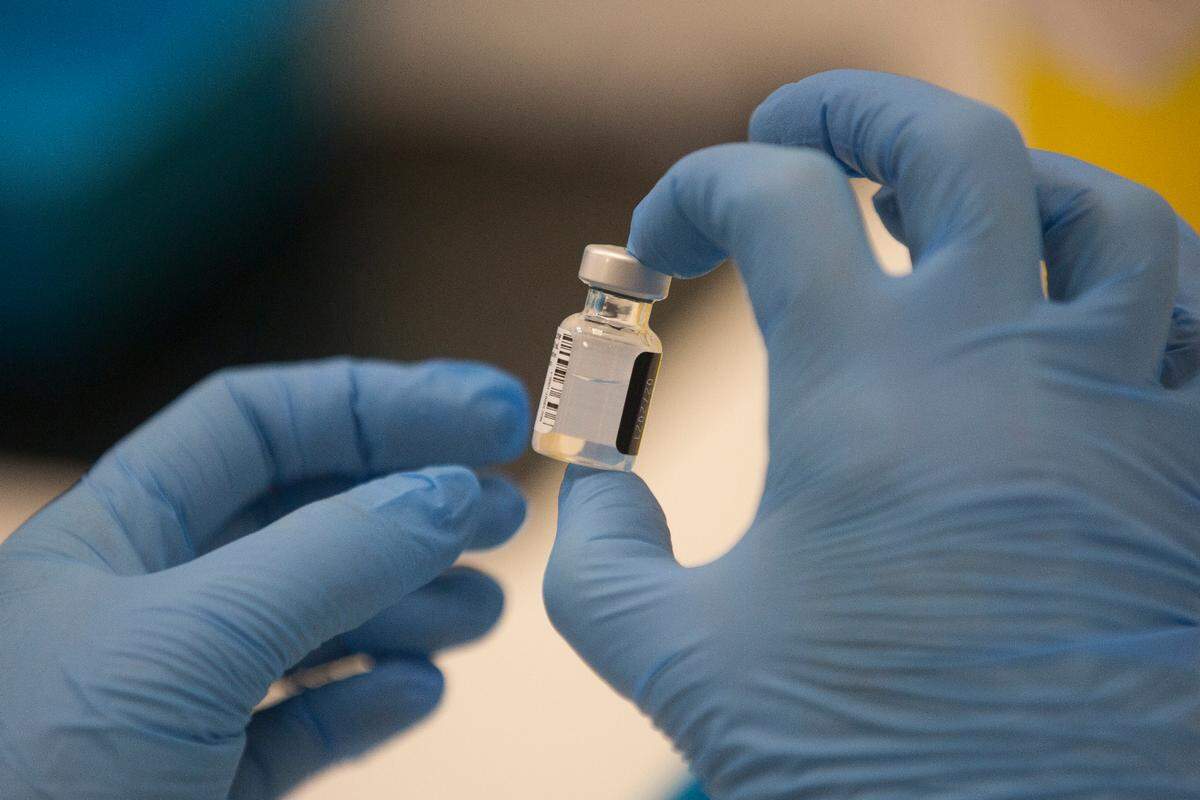
The CDC says the COVID-19 vaccine should be administered at least 14 days before or after any other vaccine. Vaccination should also be offered to anyone regardless of whether they’ve had COVID-19 previously, the CDC says.
This is because early evidence suggests natural immunity may not last long, possibly up to 90 days.
“However, those who have had COVID-19 should delay vaccination until about 90 days from diagnosis. People should not get vaccinated if in quarantine after exposure or if they have COVID-19 symptoms,” the Mayo Clinic says.
This story was originally published December 14, 2020 at 11:46 AM.