UM, FSU, USF classes will be online after Thanksgiving. What about your Florida school?
College students are getting ready to return home for the Thanksgiving holiday break but many won’t be going back to campus until next year.
Some colleges and universities across the country, including the University of Miami, Florida State University and the University of Central Florida, are moving classes online as health experts worry that gatherings during the holiday season will lead to COVID-19 outbreaks.
“The COVID-19 pandemic has been stressful and isolating for many people. Gatherings during the upcoming holidays can be an opportunity to reconnect with family and friends. ... Unfortunately, the COVID-19 epidemic is worsening, and small household gatherings are an important contributor to the rise in COVID-19 cases,” the Centers for Disease Control and Prevention said.
Some universities are asking students who live in on-campus dorms to avoid traveling home during the holiday break to reduce the risk of spreading the disease. Others are asking students to get tested before leaving and returning to campus.
The CDC is also recommending people avoid traveling during Thanksgiving because it can increase your risk of getting and spreading COVID-19. The CDC says the best way to protect yourself and others is to stay home and avoid mingling with anyone who hasn’t lived with you for the last 14 days — including college students returning home for the holidays.
Florida Memorial University in Miami Gardens, which moved classes online last month after a COVID-19 outbreak, required residential students to leave their dorms prior to the break and finish the semester at home, with a few exceptions.
Even campus holiday celebrations are subdued this year.
At Florida International University, all in-person holiday gatherings have been banned on campus, which means departments and businesses need to use Zoom or other virtual platforms if they want to host a luncheon or other celebration. The school is also recommending students skip “Friendsgiving” this year, get their flu vaccine and avoid large gatherings.
“While we can look forward to the forthcoming holiday season, we must not let our guards down. COVID-19 still poses significant health threats, with rising cases both locally and nationally,” FIU President Mark B. Rosenberg said in an email to the university community Tuesday.
Since the pandemic began in March, more than 252,000 cases have been recorded on college and university campuses, with most of the cases coming since students returned to campus for the fall term, according to the New York Times COVID-19 College and Universities database.
And as cases began to rise in college communities, school officials were also struggling to crack down on large gatherings and enforce social-distancing measures, the Miami Herald reported in September.
A study published in June by Ball State University found that thousands of college students who visited popular and packed spring break destinations like Florida may have fueled the spread of the novel coronavirus. While some young adults do get hospitalized or die from the disease, most recover. The problem is that they can spread it to their older more-at risk family members.
What are Florida universities doing about Thanksgiving COVID-19 concerns?
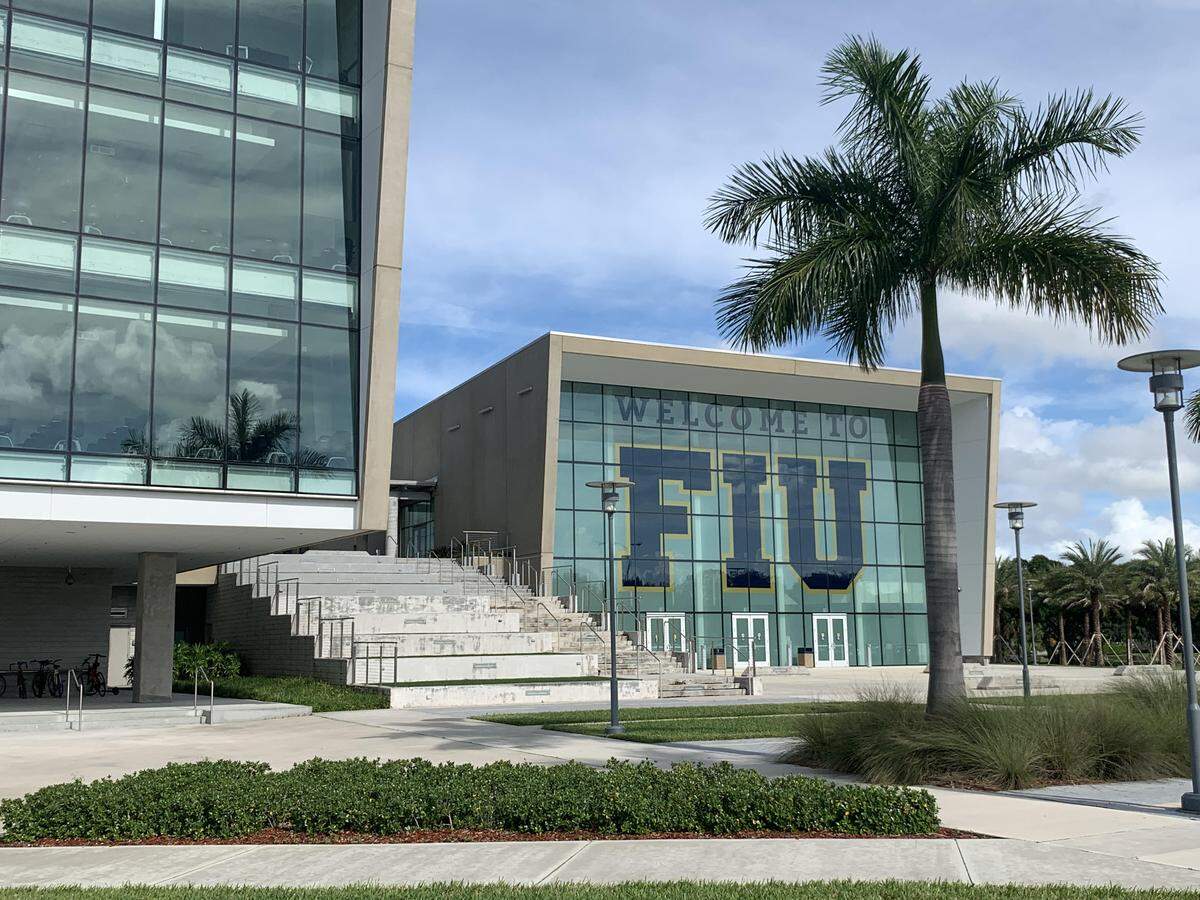
▪ Florida International University (FIU) — Besides banning holiday gatherings on campus, the university is encouraging students to continue following COVID-19 safety measures during the break, including getting tested before traveling home and seeing friends and family at least 6 feet away outdoors instead of indoors.
Students who live on campus are also being required to fill out a form by 5 p.m. Friday so the university can know who will be remaining on campus during the holiday break. Classes are expected to resume as normal after the break.
▪ University of Miami (UM) — All classes will be moving online, beginning the Monday before Thanksgiving and continuing through the rest of the fall semester. While UM’s residence halls will close at 5 p.m. Nov. 24, the day before Thanksgiving break begins, students who apply and are approved for continued housing during the winter intersession period will be allowed to stay during the holiday break, a university spokeswoman said.
UM will also continue offering walk-in (no appointment needed) COVID-19 tests at Pavia Garage from 8 a.m. to 7:40 p.m. through Thursday and recommends students get tested two to seven days before traveling to give time to receive results.
“We get it. COVID fatigue is real. Still, if we want to protect ourselves and our loved ones, we must not grow weary of doing the right thing,” UM President Julio Frenk said in a video message to the university community Tuesday. “Which brings me to the second reminder: The last thing any of us wants to bring home for the holidays is COVID-19.”
▪ Miami Dade College (MDC) — The community college said it doesn’t expect the holiday break will affect how its classes will be held for the rest of the semester since it caters to a student body that lives in South Florida. MDC also doesn’t have housing, which means its students do not need to travel to return home.
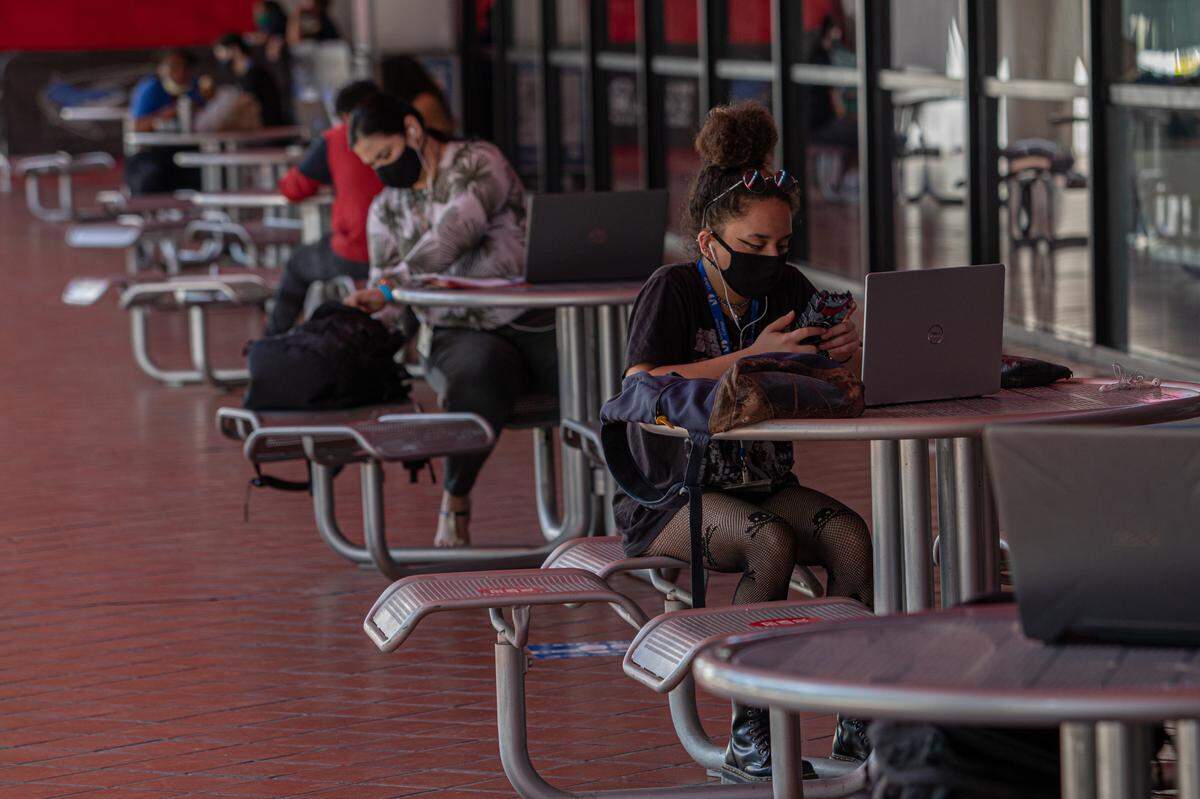
▪ University of Florida (UF) — The school is encouraging instructors to move their classes online or adapt their coursework so students can finish the semester at home instead of making them return to campus after the Thanksgiving holiday if they do not wish to, a university spokeswoman said. The university is also asking students to quarantine and get tested before returning home, where officials hope they will remain for the rest of the semester.
Residence halls as well as the larger campus will also remain open through the end of the semester, UF said.
▪ Florida State University (FSU) — All classes will jump online after the holiday break. While students who live in on-campus dorms will be allowed to return after the Thanksgiving break, the university is encouraging them to stay home if they traveled.
FSU will also remain open and fully operational after the break. This means that faculty and staff who are working on campus will not be impacted by this online pivot and “current staffing levels should continue through the end of Fall semester,” though student employees will not be required to return to campus, the university said in an Oct. 30 update.
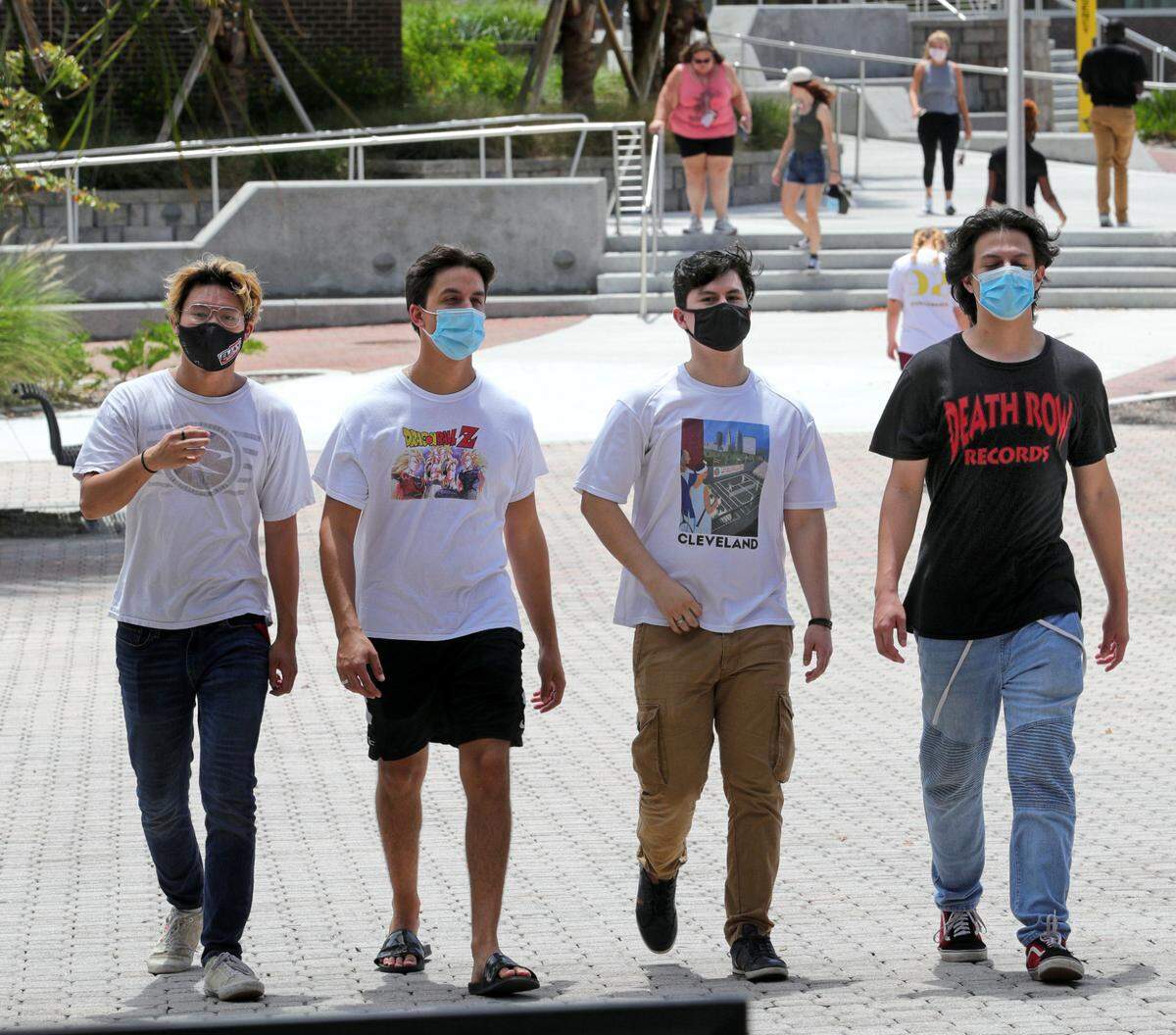
▪ University of Central Florida (UCF) — Classes will move fully online after Thanksgiving, though the dorms, dining, and other campus services and offices will remain open, according to the university. Employees, including student employees, will continue reporting to work.
UCF is also encouraging students, staff and faculty to be tested for COVID-19 before visiting their family to reduce the risk of spread. It’s also reminding everyone that if you test positive or are in quarantine for exposure, you should not travel or be around others, even if you don’t have symptoms.
“Holiday celebrations are still possible but require some extra thought and planning,” Associate Vice President of UCF Student Health Services Dr. Michael Deichen said this week in an email to the university community.
“Leading up to the holidays, it’s especially important to continue to take precautions to prevent contracting the virus, including always wearing a face covering, practicing physical distancing and washing your hands regularly. I encourage you to self-quarantine or at least minimize the number of people with whom you come into close contact.”
▪ Florida Agricultural and Mechanical University (FAMU) — Classes will be online-only for the rest of the semester once the holiday break is over. The dorms will remain open for select residential students like those who are part of the Dorothy Henderson Scholars Program, which helps support homeless and former foster care students, a university spokesman said.
FAMU is also encouraging students to get tested before traveling home for the holidays and is reminding everyone that there is a free walk-up test site at the Bragg Memorial Stadium which offers rapid testing. Appointments are recommended. To learn more, visit http://famu.edu/index.cfm?COVID19Testing.
▪ Barry University — Online-only, in-person and combination classes will resume as normal after the holiday break. The university said it will still be requiring everyone to complete a daily symptom self-check before returning to any campus or location and fill out a form if they test positive, were exposed to the disease or have symptoms. The university also wants to remind students, faculty and staff that it is continuing to offer rapid testing at its Miami Shores main campus for those who are symptomatic or were exposed to the disease. Residential students will be allowed to stay on campus during the break.
▪ Florida Memorial University (FMU) — All classes were moved online in late October following a COVID-19 outbreak and are expected to remain online the rest of the semester. All students who lived at the Miami Gardens campus, except for a few exceptions, had to move out by Nov. 13 and will be finishing their classes at home.
Everyone will need to provide a negative test result within 72 hours of arriving on campus for the start of the Spring semester, FMU President Dr. Jaffus Hardrick said in a Nov. 14 email to the university community.
▪ Nova Southeastern University (NSU) — All classes, except those requiring clinical rotations, lab work or other on-site activities, will move online after Nov. 20, just a few days before Thanksgiving, and will remain online for the rest of the fall semester, according to the university. Some graduate, professional and healthcare programs will also continue to be in-person or a mixture of in-person and online because of accreditation, licensing or clinical requirements.
NSU is also not allowing holiday celebrations on campus this year and is encouraging student groups and departments to use Zoom and other virtual platforms to celebrate.
.JPG "US-NEWS-CORONAVIRUS-FLA-9-FL (1).JPG")
▪ Florida Atlantic University (FAU) — Classes will be online-only for the rest of the semester once Thanksgiving break is over, though dorms will remain open for its housing students, a university spokeswoman said. FAU is also continuing to offer free COVID-19 testing for all students, faculty and staff at its Boca Raton, Davie and Jupiter campuses. Those interested in scheduling an appointment can visit http://www.fau.edu/coronavirus/
▪ Florida Gulf Coast University (FGCU) — Online, face-to-face and hybrid classes will resume as normal at the Fort Myers school after the break. The university is also offering an optional at-home COVID-19 test for students, faculty and staff who plan to travel during the holiday.
“Local experts indicate that the greatest concern is not having students/others bringing COVID-19 back to campus, but rather having asymptomatic folks returning to their homes and infecting family members. In this regard, staying locally over the break may be a good idea,” FGCU President Mike Martin said in a Nov. 6 email to the school’s community.
The at-home test kits must be requested prior to Nov. 23, and come with two tests, one to take before you travel and one to take before you return to campus after the holiday. To request a test kit and see travel safety tips and the university’s holiday risk assessment guide, visit https://www.fgcu.edu/coronaupdate/healthyholidays#BeforeYouReturn
▪ University of South Florida (USF) — All classes will be moving online after the Thanksgiving holiday “to minimize the risk of exposure among the USF community related to travel and gathering with family and friends,” the university said. In-person events and activities will also not be allowed on campus and employees are encouraged to work from home if they are able to.
As for students who live on campus, they will be allowed to remain in their residence halls for the rest of the semester but are “strongly encouraged” to avoid travel and large gatherings during the break.
▪ St. Thomas University — Students will have the option to move their classes online after the holiday or continue learning in-person this semester, a university spokesman said. Anyone that travels out of the state for the break will be required to quarantine to reduce the risk of exposure to the campus community.
Students who live on campus will also be allowed to continue living in the dorms the rest of the semester and the university is encouraging them to stay on campus and avoid travel or large gatherings during the holiday.
The university is also encouraging residential students to stay on campus and avoid travel or large gatherings during the holiday, the spokesman said. St. Thomas is also asking its students, faculty and staff to monitor themselves for potential COVID-19 symptoms and to continue following COVID-19 safety measures during the holiday.
This story was originally published November 19, 2020 at 6:00 AM.