‘Give me the real stuff.’ Will FDA approval of COVID plasma therapy hurt UM trial?
A lead researcher at the University of Miami had just begun recruiting volunteers for a clinical trial on antibody-rich plasma as a treatment for COVID-19 when the news broke Sunday night that the Food and Drug Administration, under pressure from the president, had given the treatment emergency approval.
The FDA’s approval will make it easier for Miami-area hospitals to access convalescent plasma for their patients with COVID-19, but the announcement also puts researchers in the unusual position of trying to validate and better understand an unproven treatment that is already in demand.
Until now, patients had been getting plasma from someone previously infected with COVID-19 under a special designation by the FDA or through a national study led by the Mayo Clinic. That study, cited by the FDA when it approved blood plasma for emergency use, was not a randomized controlled trial, which requires that half of patients be given a medication and the other half receive a placebo as a way of measuring effectiveness of treatment.
With the policy change, patients can now get the therapy directly and avoid the chance of receiving a placebo in studies like UM’s. And that has the lead investigator for the study at UM’s Miller School of Medicine worried.
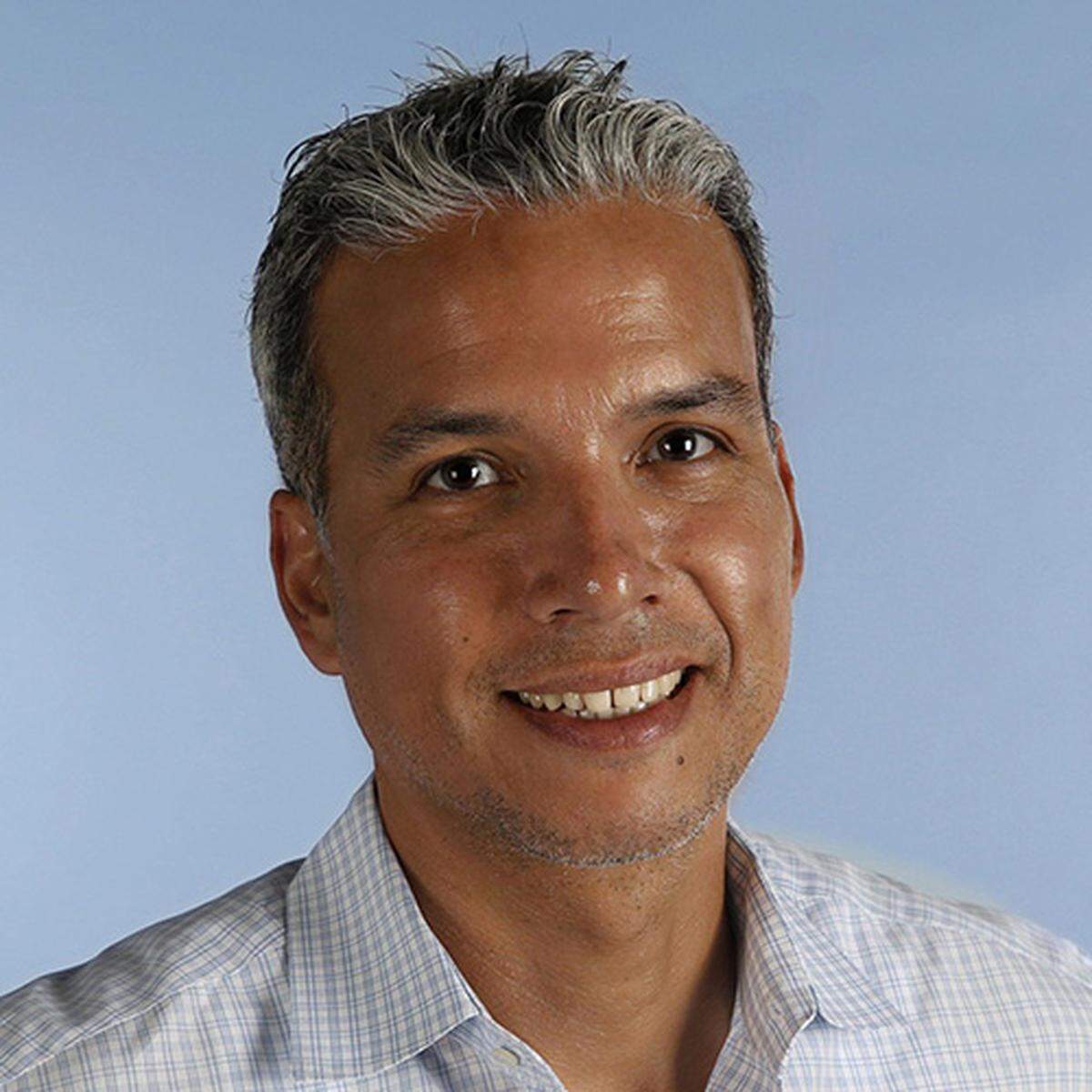
“If I am a patient, and I’m told I can have the drug or I can do a study, it’s obvious I will say, ‘No, no give me the real stuff.’ So it’s a huge problem for us,” said Dr. Dushyantha Jayaweera, associate director of UM’s Miami Clinical and Translational Science Institute and lead investigator for the Miami site of a national clinical trial to study if blood plasma containing COVID-19 antibodies is effective in treating patients hospitalized with severe respiratory symptoms.
Convalescent plasma is a tool that doctors have used since the 1890s to prevent and treat bacterial and viral infections, such as diphtheria, by administering blood from those who have recovered from the disease. It has been used as a treatment for H1N1 or swine flu.
Without a vaccine for COVID-19, the FDA has given emergency approval to only two other therapeutics for the disease: remdesivir, an antiviral medication, and chloroquine and hydroxychloroquine, a malaria drug that first received approval from the federal agency on March 28 before the FDA revoked it on June 15 after a large clinical trial found the drug showed no benefit in reducing deaths or speeding recovery.
The approval of convalescent plasma for treating COVID-19 before randomized clinical trials were completed means Jayaweera has to try to convince volunteers to enroll in the trial for altruistic reasons. But Jayaweera also said he intends to persuade volunteers — about 250 to 360 of them in the next several weeks — to enroll by informing them that if they do get the plasma and not the placebo, they’ll receive plasma with guaranteed high concentrations of antibodies.
The concentration of antibodies in plasma administered at hospitals can vary, he said, and researchers have said there are indications that patients do better when plasma with a high concentration of antibodies is used.
“There is a real advantage to going on the study. As we’re doing the study, more and more [high concentration] plasma is shifted to studies,” Jayaweera said. “There’s a potential you’re better off in a study.”
Quicker access
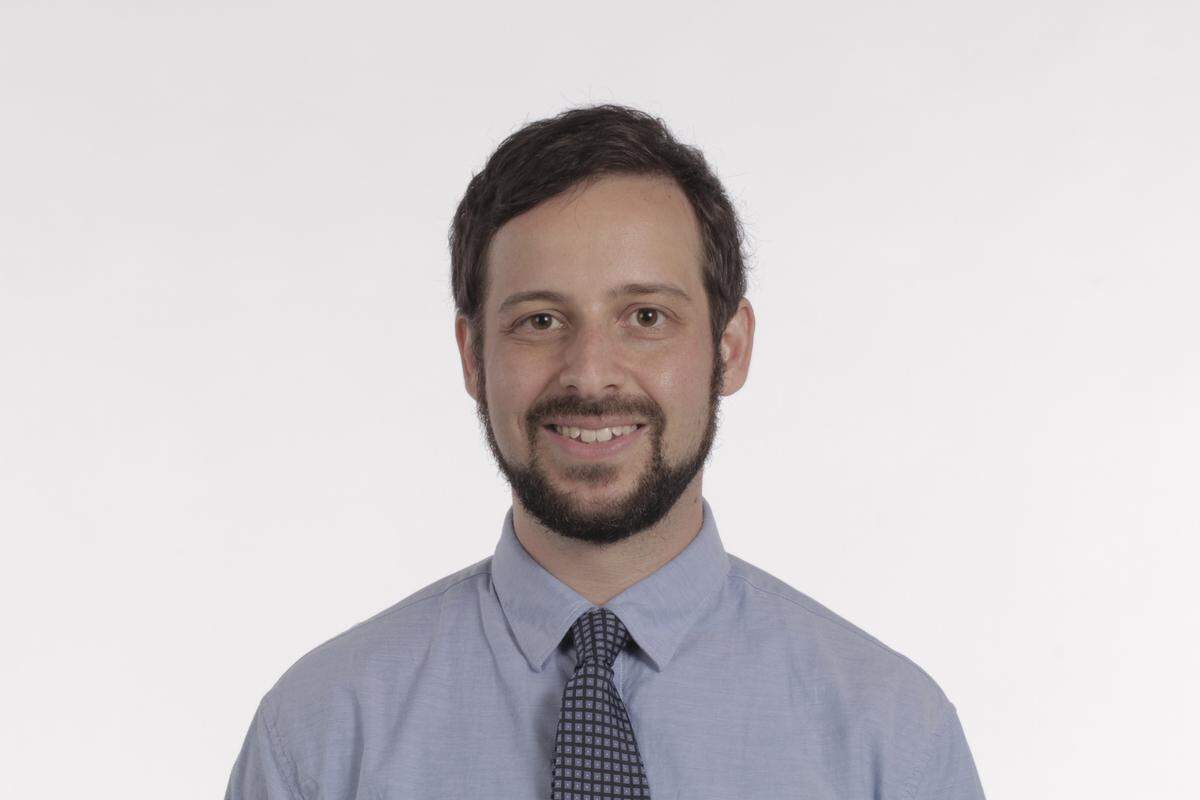
Dr. Sam Fahmy, chief medical officer of Boca Regional Hospital and the lead physician on plasma for Baptist Health South Florida, which owns Boca Regional, said the hospital network had been participating in the Mayo Clinic study but can now order plasma directly from a blood bank — saving time and resources.
Fahmy said he has seen hospitalized patients with COVID-19 improve after receiving a plasma transfusion, but most hospitals and doctors do not know precisely how high a concentration of antibodies is needed in the plasma in order to have the most benefit. Baptist Health receives plasma from OneBlood, a statewide blood bank that certifies convalescent plasma used to treat COVID-19 has at least a minimal level of coronavirus antibodies.
“We know that plasma we’re getting has been tested and has antibodies,” Fahmy said. “We know that for sure. What we don’t know as physicians is whether that plasma had a low, medium or high level of antibodies. Only OneBlood can tell you that.”
Many questions about the effectiveness of blood plasma remain unanswered because the purpose of the Mayo Clinic study was to provide access to the therapy for severely ill patients who were hospitalized, and not to determine if it is effective.
But public health experts say they are troubled by the unsubstantiated fanfare that accompanied the FDA’s announcement — with the president and top health officials saying, without evidence, that the experimental therapy had reduced deaths by 35%.
Barry Bloom, an immunologist and infectious disease researcher for Harvard T.H. Chan School of Public Health, said the FDA action could have the unintended consequence of delaying rather than accelerating the discovery of effective treatments.
“That’s where we are in the moment,” Bloom said. “We have plasma available without any good understanding of when and how effective it is and a lot of hoopla around it that may be inhibiting the development of better agents that are more likely to be effective.”
Jayaweera, who has been conducting clinical trials and other research since 1992, said a randomized control trial is needed to find answers about whether the therapy works, when it works and how effective it is.
“It is not a cure. It is not a magic bullet. It is not a game changer,” Jayaweera said. “The hyperbole created by the politicians really is not accurate, which leaves us in an awkward position as physicians.”
This story was originally published August 25, 2020 at 6:17 PM.