South Florida hospitals scramble to reinforce nurses, treatments as COVID surge continues
Nearly six weeks into South Florida’s COVID resurgence, the region’s largest nonprofit hospital system has been pushed deep into surge mode, with Baptist Health of South Florida treating 831 COVID patients on Tuesday.
That’s over a third of the roughly 2,300 hospitalized with the disease throughout Miami-Dade, and nearly double the number of COVID patients being treated at the county’s public hospital, Jackson Health System, which had 453 patients on Tuesday morning.
Baptist Health, Jackson Health and Memorial Healthcare System in Broward have all shouldered high patient loads for weeks, and all reported operating near capacity despite having recently received new shipments of remdesivir, one of the few treatments proven to reduce hospital stays.
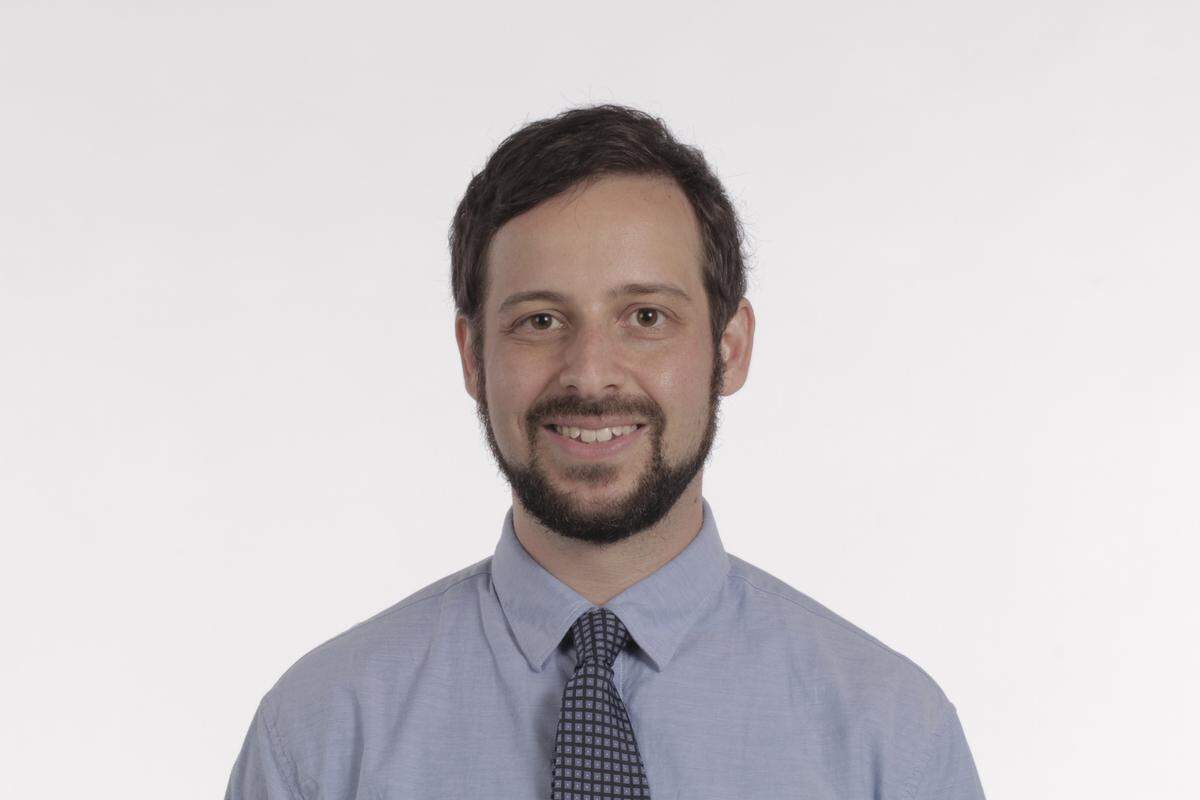
Bo Boulenger, the COO of Baptist Health, told the Miami Herald on Tuesday that his hospitals received new shipments on Monday, and said the drug can shorten patient stays by about four days. Still, Boulenger said, patient volume at Baptist hospitals has been rising since mid-June and has continued to increase over last two weeks.
“It’s very challenging,” Boulenger said. “But we’re not overwhelmed.”
He added that Baptist Health hospitals in the hard-hit areas of Homestead and West Kendall have been directing an overflow of patients to other facilities in the system for treatment, some of which have converted new areas into COVID units.
Like other hospitals in the area — including Jackson Health — Baptist Health has added hundreds of nurses since the surge began. Boulenger said more than 500 nurses have been hired, including nurses graduating from its training program and staffing companies that supply healthcare workers from out of state.
The system needs that level of reinforcement because patients who have severe cases of COVID require a one-on-one or one-on-two level of care at all hours of the day, Boulenger added.
“It’s a seven-days-a-week, 24-hours-a-day need,” he said.
About 200 of the system’s employees are currently out of work because they tested positive for COVID, according to the hospital. Boulenger said only half of those employees are clinical workers, which he said indicates that their infections are mostly the result of community transmission rather than exposure from patients.
Advances in treatment a silver lining
Hospitals have been able to manage what has been an unrelenting wave of patients in part due to advancements in treatments and therapies for COVID patients, who can sometimes require months-long stays.
At Memorial Healthcare System, southern Broward’s public hospital district, chief medical officer Stanley Marks said there is a national shortage of remdesivir, which is manufactured by U.S.-based Gilead Sciences. The company has drawn criticism from some consumer watchdogs for the way it has priced the drug.
Marks said Memorial physicians use the drug early in the treatment of COVID with better results than they had seen when the health system used the drug as part of a clinical trial run by the company, before its effectiveness in treating the disease had been measured.
“We have been getting, I don’t want to say ample supplies, but certainly sufficient supplies to treat the patients in our healthcare system,” Marks said, who added that the drug is administered to patients on a first-come, first-serve basis.
But other supplies are in need of reinforcement, Marks said — naming convalescent plasma, or antibody-rich blood serum, donated by people who have recovered from the disease, as well as ventilators, which have largely fallen out of the public discourse.
Marks said Memorial hospitals are now seeing a “significant need” for ventilators and have asked the state for assistance in securing more high-flow oxygen equipment and bipap machines, which are less intensive measures of providing additional oxygen support.
“As this thing progresses and we’re in a deep surge here in South Florida, I think we as well as other hospitals are going to need ventilators and need to put more patients on ventilators,” Marks said.
The chief medical officer said the severe stages of the disease can manifest in any patient, including patients as young as 18 or 20 years old, who are otherwise healthy. But he said the well-known risk factors such as age, obesity, high blood pressure, diabetes and anyone with a compromised immune system, are still playing out in the healthcare system’s ICUs.
“All of us should be cautious, but any person that is older or with any of these other risk factors should be extra careful, and I certainly would not advise those kinds of folks to be going any place where there’s any kind of large gathering,” Marks said.
He added, “You’re much safer at home, and if you have to go out, wear a mask.”
Miami’s public hospital under financial pressure
In Miami-Dade, where the state health department has confirmed 89,557 cases to date — more than any county in Florida — the public hospital system, Jackson Health, is feeling the strain after four months of the pandemic.
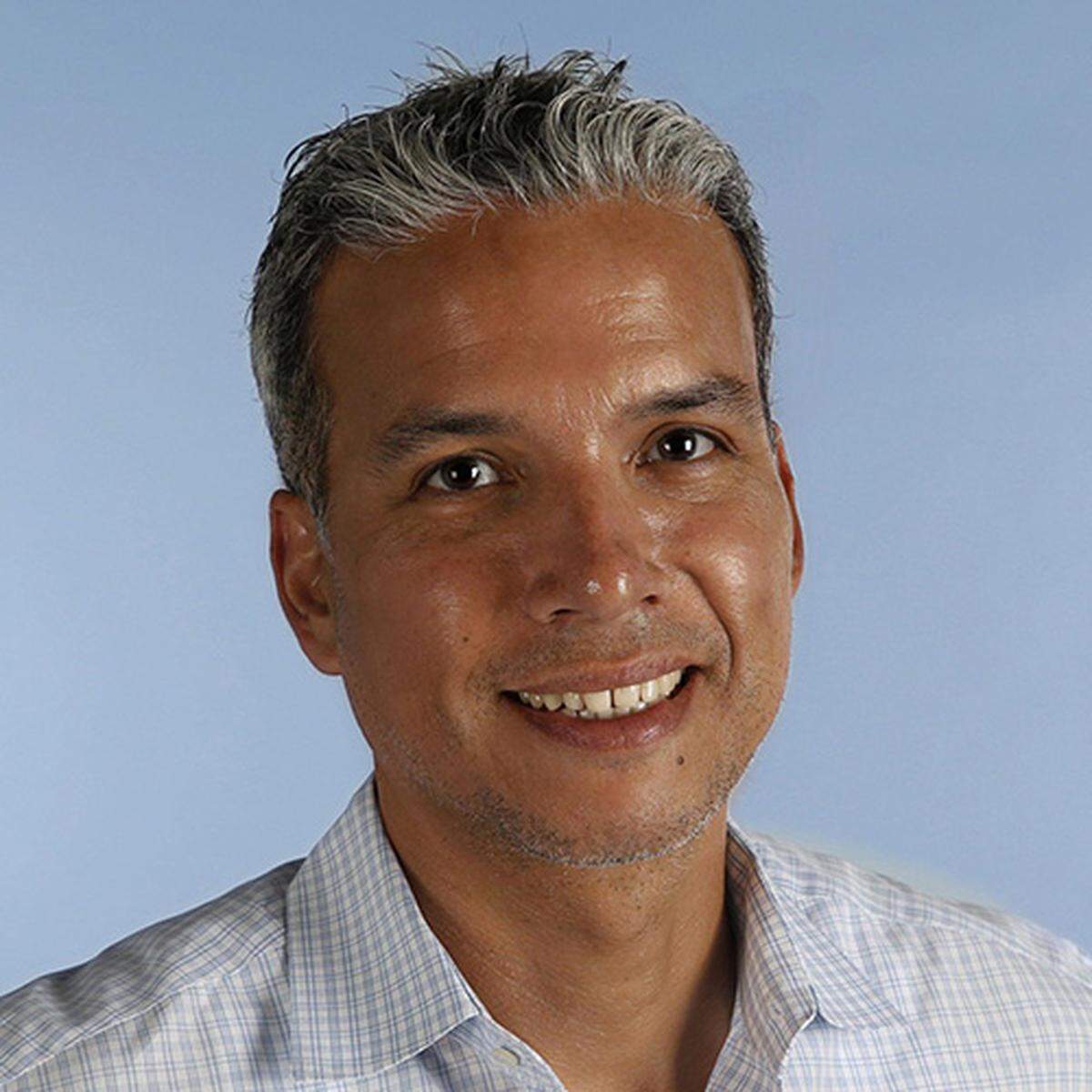
“What we’re going through right now is anything but normal,” Jackson Health CEO Carlos Migoya said in a meeting with Miami-Dade commissioners on Tuesday.
After peaking at about 167 COVID patients in the hospital in April, Jackson Health blew past that with a new peak of 469 patients hospitalized on Monday.
“We have learned this virus is unpredictable in every way,“ Migoya said. “And the truth is, we don’t know how long it will be a threat.”
Among Jackson Health’s nearly 12,500 employees, about 4,100 workers with COVID symptoms or exposure have been tested for the disease since March, Migoya said.
“In July alone, we have tested more than 1,300, with 23.7% of those testing positive,” he said.
Migoya said he was concerned that after four months of emotionally and physically tiring work at Jackson Health, healthcare workers needed a break.
“Burnout is real,” he said.
Jackson Health has brought in additional nurses, respiratory therapists and patient care technicians provided by the state. Migoya said the state has provided 125 additional nurses to Jackson Health.
“There’s a request coming for at least another 75,” he said. “We asked for 50 respiratory therapists, of which we’ve already received 25. We asked for 100 PCTs [patient care technicians]. … We understand they’re on their way.”
But the financial help that Jackson Health needs has been slower to arrive, particularly from federal CARES Act funds intended to help hospitals dealing with a surge in COVID-19 patients.
Jackson Health has received about $75 million in CARES Act funds, which helped the public hospital fill in financial shortfalls in March, April and May. Migoya said Jackson Health exhausted its CARES Act funds before the end of June.
“We don’t know if or when we will receive additional funding,” he said.
Also, the Miami-Dade sales tax support that Jackson Health receives appears to be slowing as tourism and trade have dropped significantly, he said. But Migoya said it is still too early to tell how significant the financial impact will be.
“It will be fall or winter before we fully understand how much of a hit Jackson will need to absorb,” he said.
This story was originally published July 21, 2020 at 5:31 PM.
CORRECTION: Stanley Marks, the chief medical officer of Memorial Healthcare System in Broward County, referred to the efforts of Memorial physicians in using the COVID-19 treatment remdisivir. An earlier version of this article erroneously listed the wrong hospital network.