Immunocompromised and at risk, Florida’s 9/11 survivors hunker down in world’s virus hot spot
Howard Germain prides himself on being a survivor.
He was working at the New York Stock Exchange, half a mile from the World Trade Center, when 9/11 happened and he escaped to safety, only to return to work with horrible headaches for weeks. Last year, he was diagnosed with lymphoma, and in January, he finished his last chemotherapy treatment.
But now, the 71-year-old, like many other 9/11 survivors living in Florida, is worried about his health and safety once again as the state — and South Florida in particular — becomes the world’s latest COVID-19 hot spot. Like 9/11, the novel coronavirus has affected everyone in the United States in one way or another. But unlike the earlier tragedy, people can mitigate the damage by wearing a mask and social distancing — a point that Germain took pains to underscore.
“Just do what they tell you. Do what the officials tell you to do,” the Sunny Isles Beach resident said. “Wear a mask. Social distancing. That’s all you can do.”
Florida alone has more confirmed coronavirus cases than every single country except for Russia, India, Brazil and, of course, the United States, and its COVID-19 death toll has left 2,000 more people dead than 9/11 did.
“Of course when you hear this, you are more worried because more people have it,” Germain said. “You don’t know who has it and who doesn’t have it.”
Since he’s immunocompromised from chemo and at extra risk due to his age, Germain said he’s been trying to be as careful as he can: constantly washing his hands, using hand sanitizer and wearing a mask any time he goes outside.
He’s one of 20,000 9/11 survivors represented by attorney Michael Barasch. In all, the lawyer said approximately 1,800 of his clients live in Florida. Six of them have passed away due to COVID-19 complications, and all had respiratory conditions.
“The 9/11 community, which already suffered enough by having been exposed to all these toxins which caused all these illnesses, they are now dying at a much greater rate than the general population,” Barasch said.
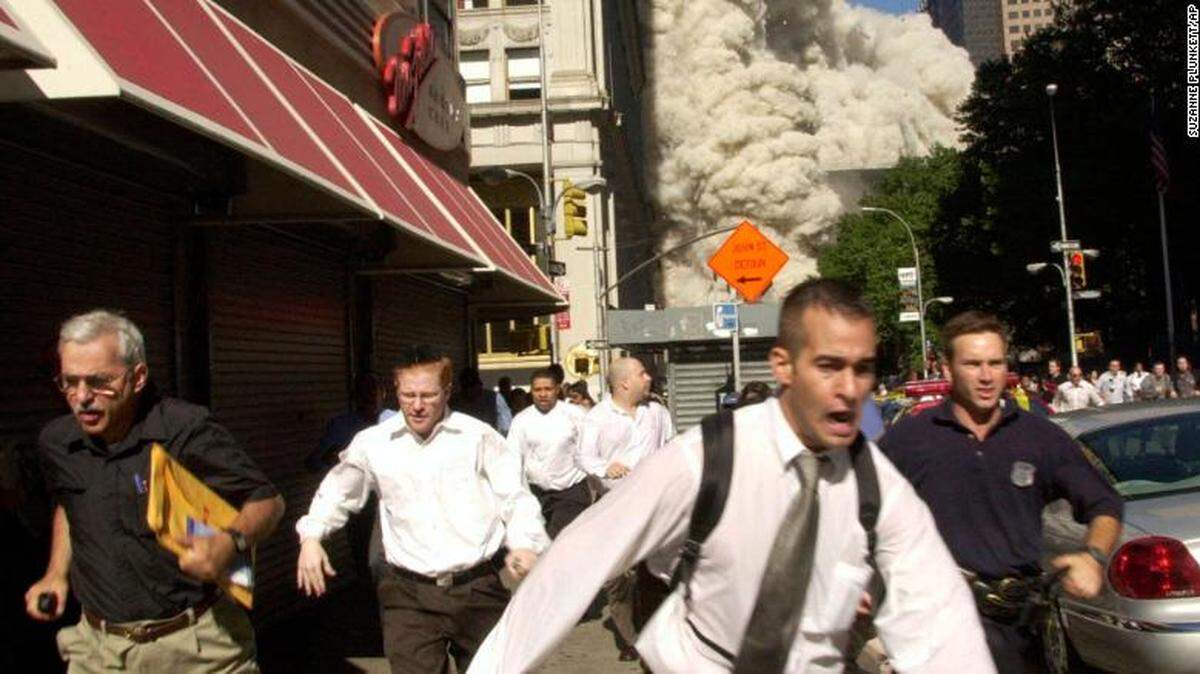
Added to the six is a prominent 9/11 survivor who was not a client of Barasch. Stephen Cooper was made famous by a photo in which he’s seen carrying a manila envelope and running toward the camera as smoke and debris fill the street less than a block behind him.
He passed away in Delray Beach at age 78 at the end of March, according to the Palm Beach Post.
Approximately 75 percent of people who have died from COVID-19 in the United States had an underlying health condition, according to the Centers for Disease Control and Prevention.
“When they went down there [to Florida], [the 9/11 survivors] brought with them the same respiratory illnesses and cancers and toxins in their body that they inhaled at the World Trade Center site,” Barasch said.
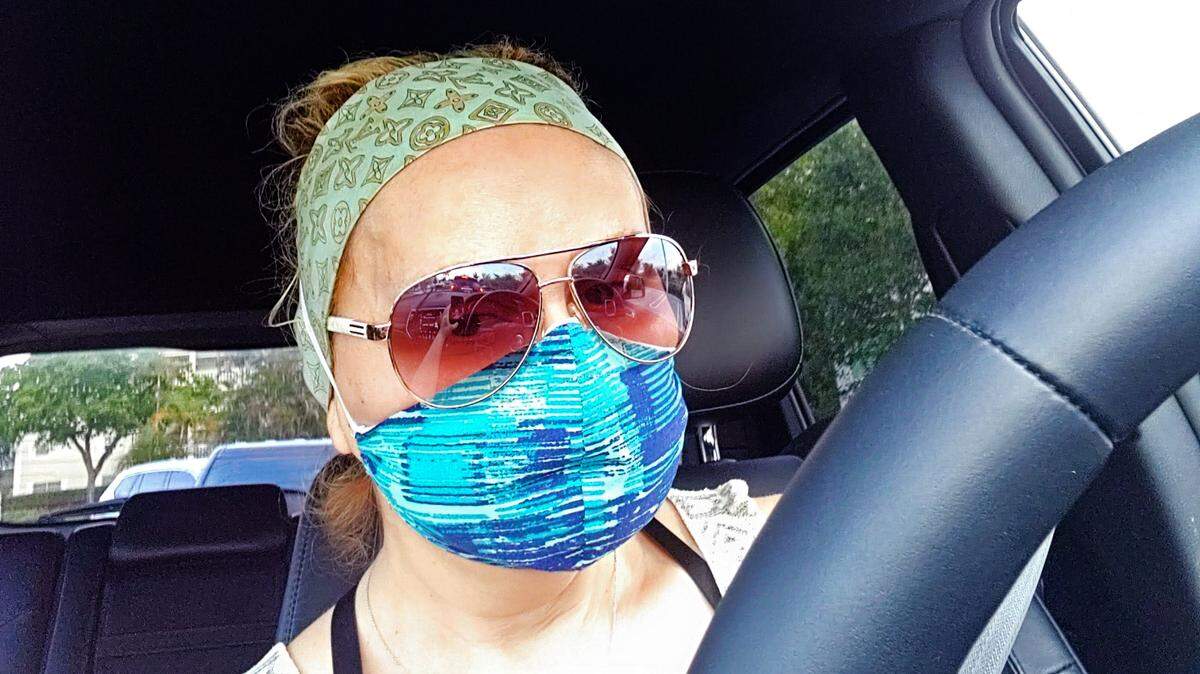
Rose Yarusskaya is another one of his clients who relocated to Florida.
She was an undergraduate student in New York City and on her way to class when the first plane hit the north tower, she said. Yarusskaya, who now lives in Parkland, developed a rare type of cancer a few years ago. She said it’s hard to know for sure whether the cancer is related to the toxins she breathed in during 9/11 but thinks it could be since it’s not genetic.
Prior to the pandemic, Yarusskaya, 40, typically traveled to Columbia University Medical Center in New York City every eight weeks to receive special treatment. But because she’s immunocompromised, she hasn’t visited the hospital since March. Instead, she’s been doing tests locally and receiving her medication in the mail.
“Obviously, the virus is so easily contractible,” she told the Herald. For her, it wasn’t worth the risk.
Barasch encourages the public to keep local 9/11 community members like Cooper, Germain and Yarusskaya in mind when choosing to go out and party and not wear a mask.
“I saw the pictures of people in Florida at the beach. I saw the restaurants were opening. The bars were opening. I think it’s really dangerous,” he said. “I know we all want to live our lives. But all I can do is speak to the 9/11 community and say please protect yourself.”
This story was originally published July 21, 2020 at 7:00 AM.