After wave of younger COVID patients, older patients return to Miami’s public hospitals
At Miami-Dade County’s public hospitals, weeks of relative quiet in the COVID units reversed course in mid-June, giving way to younger-trending patients in a resurgence of the disease caused by the novel coronavirus.
But over the last week, it became apparent throughout Jackson Health System that the increase in community spread had reached those most vulnerable to the virus — people over the age of 80. As of Monday, the hospital network had 65 such patients, compared to 46 the previous Monday, and 34 on the one before that.
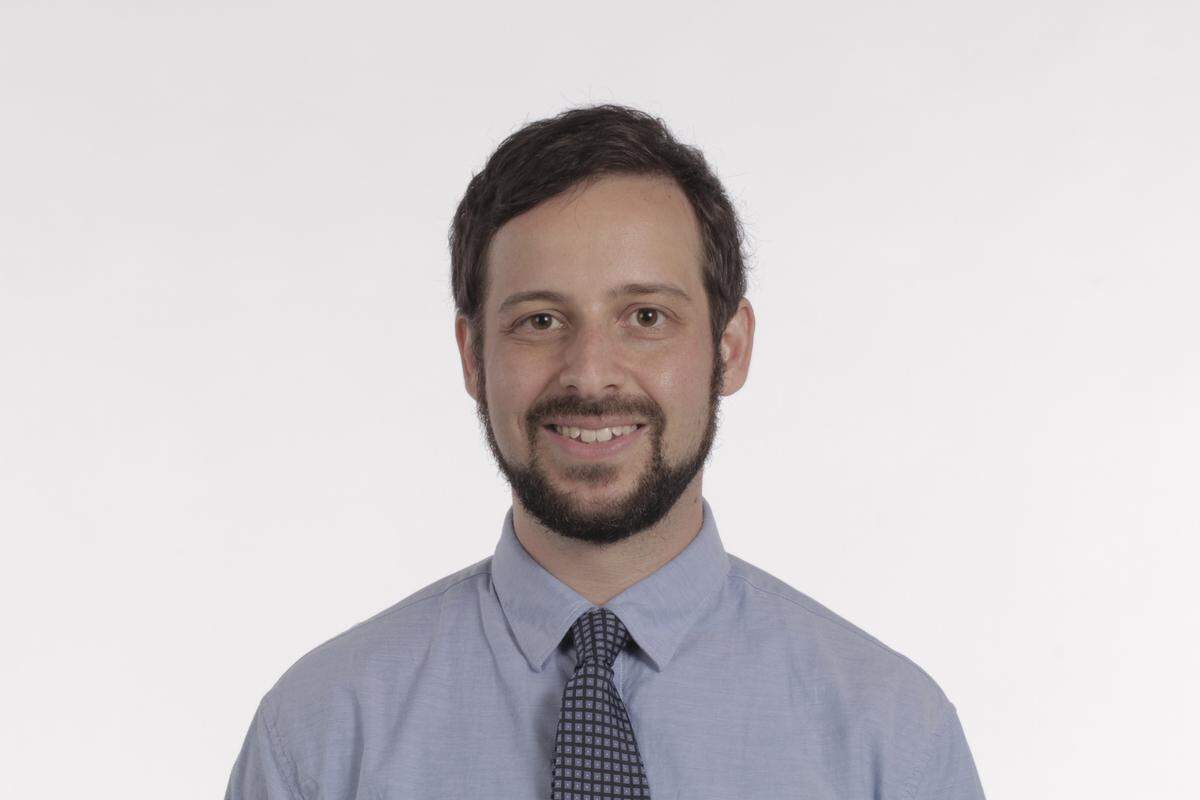
At the outset of a second and more accelerated outbreak that started a month ago, Dr. David De La Zerda, a critical care physician and medical director of Jackson Memorial Hospital’s intensive care unit, said the patients he saw were much younger than the first wave, mostly people who caught the virus when they went to work after the economy reopened, or went to parties without a mask.
Now, he said, he’s seeing the patients that demographic may have infected: older people who were exposed at home or during a family gathering.
“That’s why we’re seeing this lag in time between the initial part of the second wave when you had younger people ... and now we’re seeing the older people,” De La Zerda said. “That’s my theory of what happened.”
In the last week, 1,244 patients were admitted to Jackson Health System with COVID-19. Straining under that pressure, the public hospitals have called off all elective surgeries to preserve space in intensive care units, which held 111 patients as of Monday morning.
“We still have a lot of patients from a few weeks ago, and now we have this major influx of new patients,” De La Zerda said.
It’s not a challenge unique to Jackson, or even Miami-Dade, the hardest-hit county in Florida. In Broward, Memorial Healthcare System — the public hospital network for the southern part of the county — said on Friday it had converted auditoriums, conference areas and classrooms to meet the demand of a new surge in COVID patients.
Memorial released footage that day of healthcare workers touring a still-empty auditorium that had a negative pressure air system installed, which is used to contain infections, and rows of empty beds lining a wall.
On Monday, overflow patients had yet to arrive. But with 516 COVID-positive patients, including 70 in the ICU, Dr. Stanley Marks, chief medical officer at Memorial Healthcare System, said that the hospital network had reached capacity in the areas it typically treats patients, with about 30 beds still available for surge capacity.
“We’re operating in an emergency mode,” he said.
While Marks did not describe the same pronounced age stratification as De La Zerda in Miami-Dade, he cautioned that people of all ages who have underlying conditions are vulnerable to COVID, such as hypertension, diabetes and morbid obesity, to name a few.
“If you have one of these comorbidities, you’re at risk,” he said.
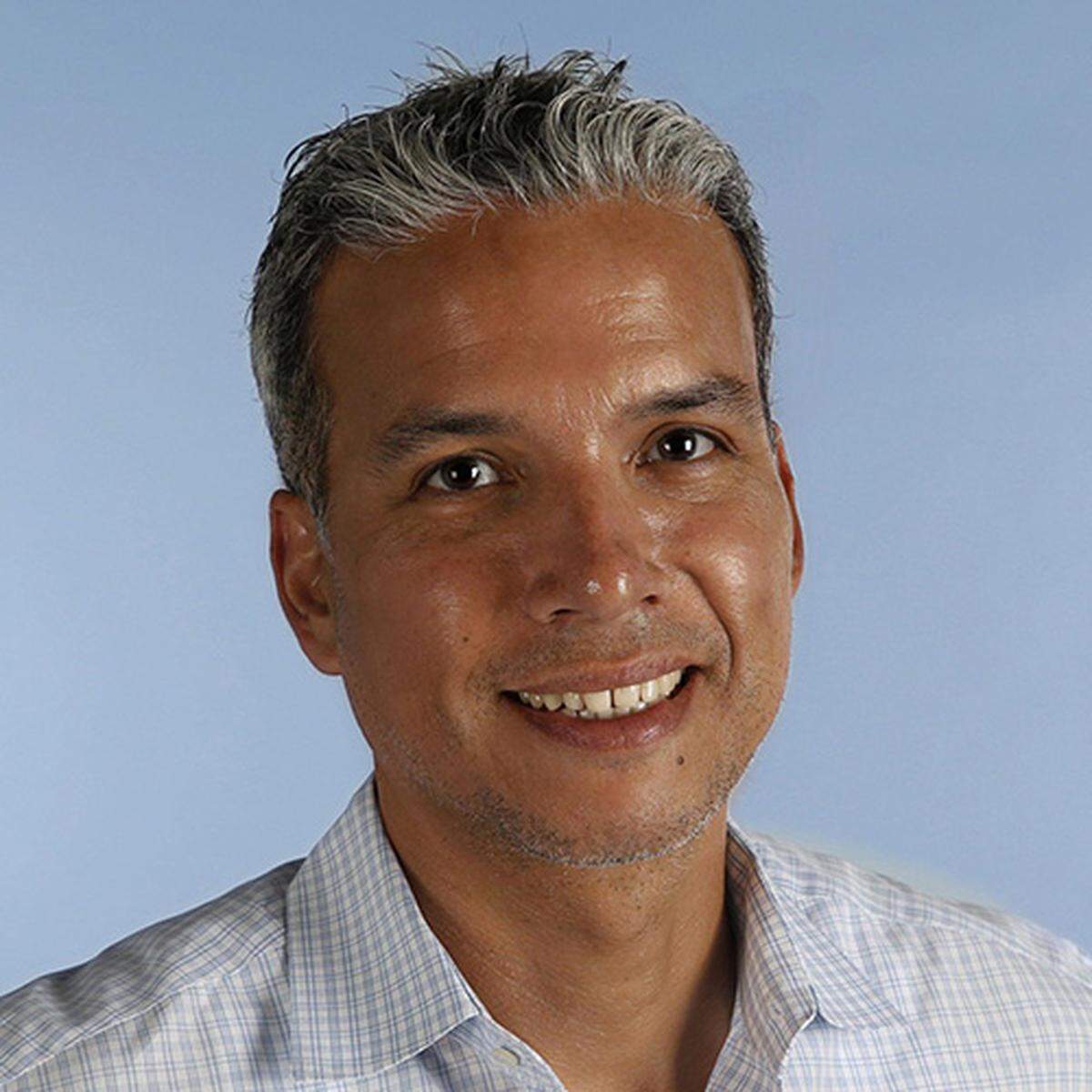
At a press conference with Gov. Ron DeSantis and Miami-Dade Mayor Carlos Gimenez Monday, Jackson Health’s CEO Carlos Migoya described the same pattern as De La Zerda: a growing number of older patients, as the second wave of the virus intensifies throughout the county.
The press conference was briefly interrupted by an immigration activist, Tomas Kennedy, the Florida director of United We Dream, who shouted “shame on you” and “you should resign,” in reference to the county’s record-breaking number of new COVID cases over the weekend.
Migoya said the same numbers of younger patients are being admitted to the hospital network, “but as the increase has happened, in that increase we’re seeing the older people come back in.”
“On a percentage basis, the number of younger people has reduced [compared to the older patients],” Migoya said at the press conference. “But the absolute number of people are the same.”
Jackson’s CEO described a hospital system leaning heavily on its COVID doctors and nurses who have been working for four full months now.
“The stress that goes with that, it’s extremely, extremely difficult,” Migoya said. “And it works through them to every other employee in the hospital.”
This story was originally published July 13, 2020 at 7:56 PM.