A Miami elder-care staffer tested positive for COVID-19 — and kept working anyway
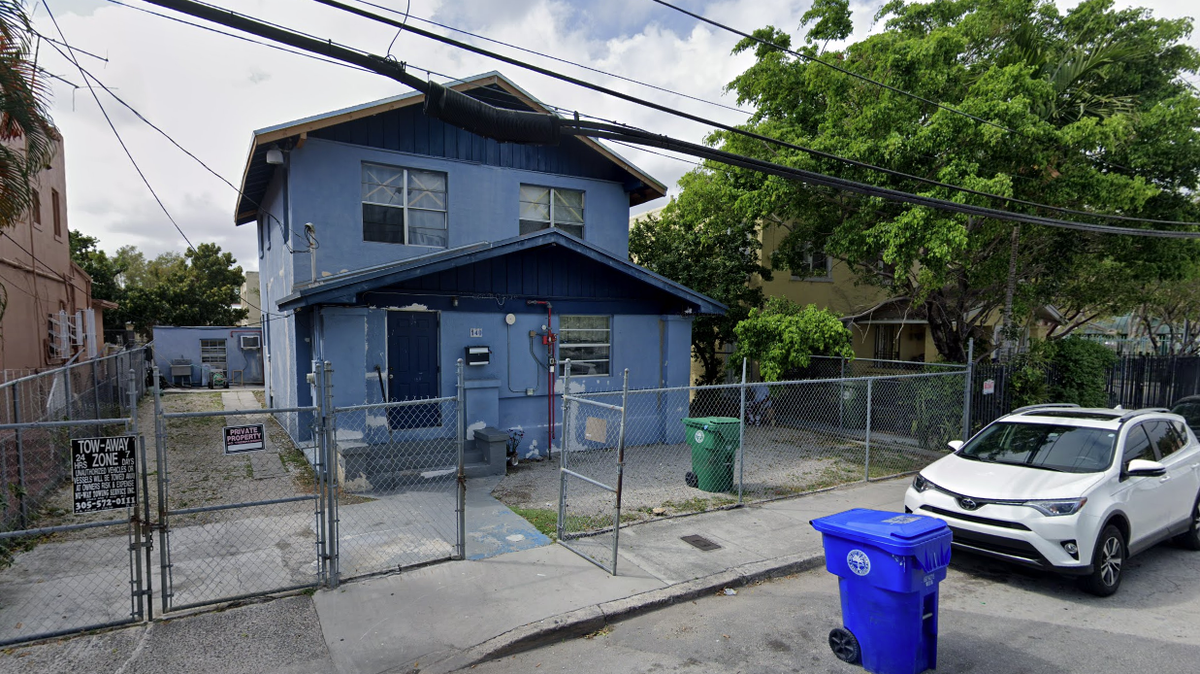
A Miami assisted living facility has been shuttered after it allowed a COVID-19 positive staffer to care for residents with no protective gear other than a surgical mask and took no precautions to safeguard its residents — more than half of whom tested positive for COVID-19.
Florida’s Agency for Health Care Administration shut down South Florida Home Services for “a failure to protect residents from the coronavirus,” according to the emergency suspension order filed Thursday.
The phone number listed for the Little Havana facility was a fax machine line, and calls to phone numbers listed under the administrator’s name weren’t answered.
According to the suspension order, a May 22 inspection of the home revealed the following:
A client wasn’t feeling well or eating, so the client was hospitalized on May 6. The individual received a test for COVID-19 on May 8 but came home on May 9, before the results were in.
The resident, who was showing symptoms of the coronavirus at that point, wasn’t isolated. Instead, he or she was placed back in a room with a non-symptomatic roommate.
That same sick resident was re-hospitalized on May 10. The test came back the next day: positive for COVID-19.
At that point, the administrator of the facility tested the remaining 11 residents. Six were positive. Staff members were also tested around that time, and one came back positive.
When the facility was inspected on May 22, staff wore surgical masks, as opposed to more protective N95 masks, even when caring for COVID-positive residents. That COVID-positive staff member was still actively caring for patients, as well as mingling with coworkers and third parties.
“The Administrator could not explain why the COVID-19 positive staff member remained on staff providing resident care,” the closure order read.
When the state asked the facility to find new staff to care for residents while the current staff self-quarantined for two weeks, the administrator said that could not be done, so Adult Protective Services removed all the residents from the facility on May 24.
The emergency suspension order closed the facility four days later.
Two months ago, state representatives inspected the home and found multiple problems, including several occasions in which a resident went missing and wasn’t found for days.
According to the inspection report, a confused man wandered outside of the facility and was found days later in a hospital bed, listed as a homeless John Doe. Paramedics found him collapsed on a sidewalk. There’s no record that anyone at the facility called the patient’s guardian after he went missing.
Another missing resident was found in a crisis stabilization unit three days later.
Dave Bruns, spokesperson for AARP Florida, called the standard of care described in the closure order “alarming.”
“This is why we have been beating the drum about the alarmingly disproportionate devastation that coronavirus has been wreaking on elder-care residents and staff throughout the state,” he said.
As of Wednesday’s figures, nearly half of the state’s COVID-19 deaths were of residents and staffers of Florida’s elder-care facilities, a group that makes up less than 2 percent of the state’s population.
AARP has been asking the state for months to step up its testing of staff members in elder-care facilities and provide protective gear to all facilities.
“It’s absolutely crystal clear that this virus is getting into these facilities and wreaking havoc, killing more than 1,100 people through the staff and contractors visiting these facilities,” Bruns said.
Another ask — make it mandatory that facilities offer a way for families to video chat with their loved ones, whom they’ve been barred from seeing in person since mid-March. Family complaints are one of the top ways that the state finds out about substandard care.
“They are the frailest of the frail. They are the most vulnerable to this virus among us,” Bruns said. “They deserve the protection. They earned it.”
This story was originally published May 29, 2020 at 6:15 PM.