
A transit system in crisis, Miami-Dade buying Uber, Lyft rides on overnight bus routes
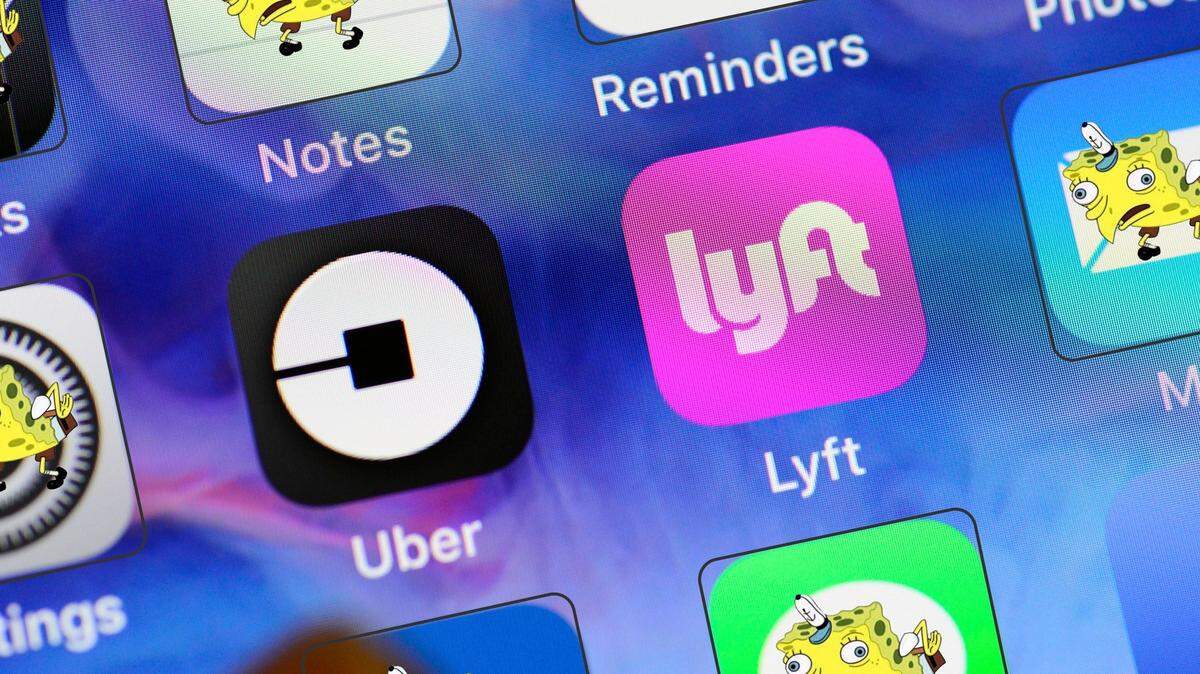
Left with no fares and plunging ridership, Miami-Dade’s transit system is ready to cancel overnight routes and outsource public transportation to Uber and Lyft during those hours.
An Uber statement said the arrangement will allow Miami-Dade bus passengers to obtain vouchers up to $45 for personal rides along the limited number of routes running overnight.
Miami-Dade is trying to cut costs and reassign drivers to reverse some cuts on daytime service that have led to alarming images of crowded buses on popular routes.
“We want one person for each pair of seats,” said Alice Bravo, the county’s transit director. “We’re really pushing the message of: Only ride if it’s essential.”
Miami-Dade has already closed Metrorail and Metromover two hours early each night, ended express bus routes, and spaced out waiting times for trains and buses in an effort to save money and operate a system with fewer drivers. Some older drivers, and those with health conditions that make them vulnerable to COVID-19, have been pulled from shifts.
Canceling overnight service will force passengers to move from full-size buses to the backseat of a personal automobile a few feet from a driver. Governments, including Miami-Dade, consider ride-hailing services essential as transportation providers. Uber and Lyft continue operating, but have suspended services where customers can share rides.
The Uber rides will be available from midnight until 5 a.m. for nine bus routes that run overnight. A test run is scheduled for Thursday, and overnight bus service will end Friday, Bravo said. In its statement, Uber said passengers must sign up for a voucher on the company’s website, and Lyft said users can enter the code “GONIGHTLY” under the Lyft app’s Promos section.
People without a cellphone with internet can call a county hotline, 786-469-5555.
Passengers can be picked up or dropped off only within a quarter mile of the overnight bus routes: 3, 11, 27, 38, 77, 112/L, 119/S, 246, 500. Miami-Dade is covering the costs, saying ridership has plunged enough that it’s cheaper to pay Uber and Lyft to move passengers than pay bus drivers to transport them.
Ending overnight bus routes is the latest dramatic cut from a transit system that no longer collects fare revenue and has forced employees into close contact with passengers. The reductions come as bus drivers are getting limited supplies from the county to protect themselves or clean surfaces around them.
Bus drivers have been rationed to a single Clorox wipe for each shift to wipe down their wheel and other flat surfaces for the day. The transit system was only able to secure masks for bus operators Monday night, and union president Jeffery Mitchell said drivers were issued a single mask Tuesday morning and told to reuse it. “One mask!!!!” he said in a text message Tuesday.
To separate drivers from passengers, Miami-Dade requires passengers to board from the rear. It has suspended fares, which were collected by the front doors.
While ridership is down as much as 80 percent on some days, some bus routes remain alarmingly crowded as workers continue reporting to construction sites, grocery stores, government shifts and other jobs allowed to continue during an emergency that has shuttered much of the economy.
The transit union on Tuesday shared a photo it said was taken by a bus driver early Monday morning on a Flagler Street route, showing a vehicle with every available seat filled by a passenger.
This story was originally published April 7, 2020 at 3:29 PM.