‘We’re not cattle.’ Southwest passenger at MIA told she’s too large for seat
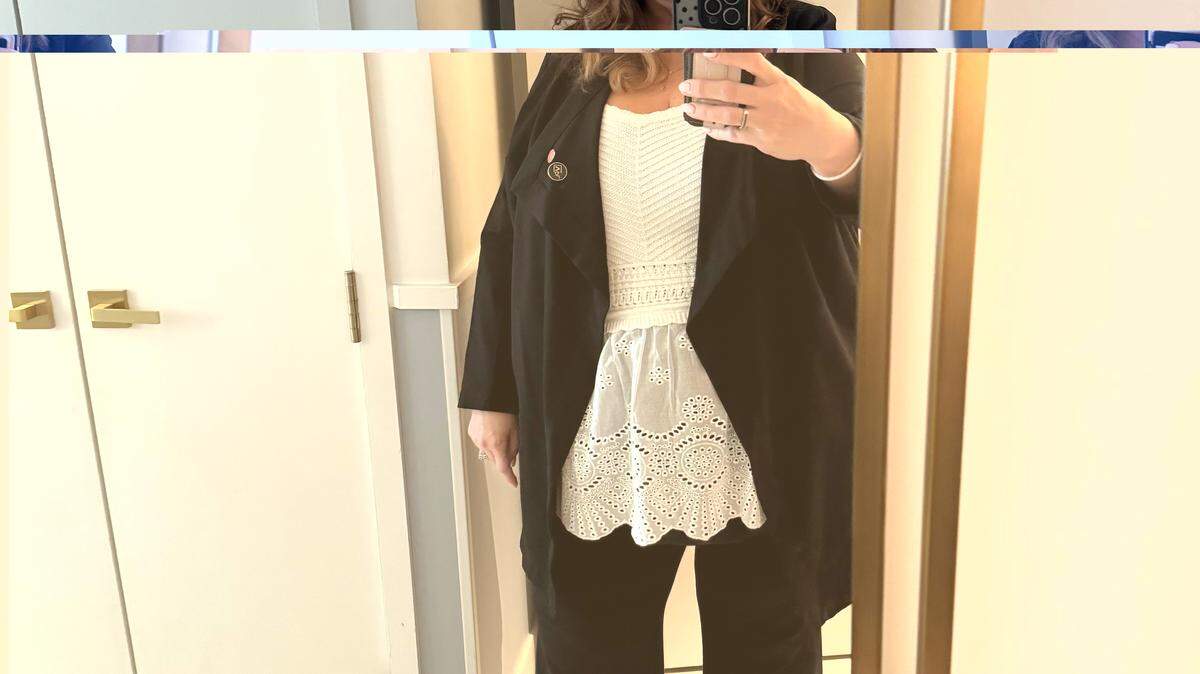
Linda Hyde, a Southwest Airlines Rapid Rewards member since 2014, boarded her Southwest flight on May 21 at Miami International Airport humiliated and angry. For the first time in her career, which requires traveling by plane at least six to seven times a year, she had been asked if she could fit into one seat.
The Southwest agent’s inquiry was the result of a new Southwest Customer of Size policy implemented in January 2026. The policy states that if an airline employee determines, based on eyeballing a passenger, that the person cannot fit into one seat, then that passenger must purchase an adjacent one.
Though Hyde explained to the agent at MIA that she could fit into one seat, and that she had just flown on a full Southwest flight the previous Monday in one seat, the agent said she would likely have to buy another ticket.
That same day, Hyde, president of the American Association of Private Lenders, sent emails to Southwest, the U.S. Department of Transportation and the Greater Miami Convention & Visitors Bureau, requesting accountability on the “conduct” she experienced. She also requested a formal apology from Southwest. As of publication, none of the organizations had responded to Hyde.
Hyde’s experience at MIA underscores how Southwest, once beloved by larger passengers, is now facing backlash since changing its policy in January. In fact, it tweaked its new policy late last week, saying passengers would only be required to buy an additional seat if the flight were full, and it has “empowered” its employees to provide extra seats at no cost when possible. A Southwest spokesperson said the updated policy will be published on its website “in the near future.”
Before the January change, Southwest allowed customers that required an extra seat to purchase one ahead of time, or at the gate, and receive a full refund for that extra seat, regardless of whether the flight was full. And its policy of open seating on all of its flights, in place for decades, allowed customers to communicate with fellow passengers that they needed the extra seat.
In fall 2025, Southwest announced it was shifting to assigned seating, as other airlines have done for years. The new seating plan went into effect in January. The airline said it would still try to refund passengers who needed an extra seat, but would no longer guarantee they would be reimbursed. Instead, the refund would depend on whether the flight was full.
For Hyde, if her flight had been full, she would have had to buy another seat with no reimbursement or been bumped to the next flight. In her more than 10 years of flying with Southwest, she said she has never purchased an additional seat.
Eventually, after a more than 10-minute wait by the bag check, another Southwest employee realized the flight she was taking back to Kansas City had 30 empty seats and there were two empty seats next to her; Hyde was allowed an extra seat for free.
Hyde said she will likely never fly with the airline again. She doesn’t want what she experienced to happen to anyone else.
“I’m willing to go to whatever, to whoever and yell for the room,” Hyde said. “I want my daughter to know how to fight to not let people treat you this way.”
Southwest makes up around 5% of all flights based on passenger count out of MIA, a jump from less than 1% in the previous year. The airline started flying out of MIA in 2020; it has long flown out of Fort Lauderdale-Hollywood International Airport.
Southwest did not respond to the Miami Herald’s inquiries on Hyde’s experience, or what standards it uses to determine whether a passenger can or cannot fit into a seat.
“Southwest is working to create a more consistent and seamless experience for Customers who require an additional seat,” a Southwest spokesperson wrote in an email to the Herald. “On flights where seats are available, our Agents at the airport are empowered to provide an additional seat at no extra cost to Customers who require one.”
‘Public nature of the interaction’
Hyde said in her email to Southwest that the “public nature of the interaction” was unacceptable. The spokesperson said the airline trains customer service agents and gate agents to address matters related to the policy “discreetly,” and that they have a team on call that can assist employees with questions on individual cases.
“This policy is in line with the U.S. airline industry as a whole,” the spokesperson said. They also recommended that customers who need an additional seat should book in advance to “alleviate any last-minute inconvenience at the airport.”
Tigress Osborn, executive director of the National Association to Advance Fat Acceptance, said Southwest’s recent change saying customers would only be required to buy an additional seat if the flight were full, amounts to the airline trying to “get good publicity for being ‘responsive.’”
“Yes, it’s better to be given one less hoop to jump through to get a reimbursement,” she said. “But this feels more like damage control than genuine inclusion.”
Southwest’s main competitors at MIA, American, Delta and United, all use the armrest as a measure of whether a customer can fit comfortably into one seat. If not, they require a passenger to buy an extra seat.
“The bigger problem that I have is how it’s addressed,” Hyde said. “How it makes me feel to be addressed the way that they did. We’re not cattle, we’re people, you have to treat us like people.”
Osborn said her organization has noticed a pattern of certain demographics, such as women and women of color, facing insistence from agents that they need an additional seat. Hyde said there were “large men” on her flight that did not appear to face inquiries about their ability to fit into a seat.
Hyde said Southwest’s new policy could violate the Air Carrier Access Act, a federal law enforced by the U.S. Department of Transportation that dictates airlines cannot discriminate against customers based on physical or mental disabilities.
A spokesperson for the U.S. Department of Transportation told the Herald that airlines are not required under law to provide more than one seat per purchased ticket, and that any customer requiring more than one seat for “any reason can be required to pay for all the seats used.”
Although the federal agency keeps track of all complaints made, it does not categorize complaints based on “customer of size” policies, and does not investigate individual complaints due to the high volume the department receives.
“The Department has not recommended any specific policy adjustments to airlines regarding their individual customer of size policies,” the Southwest spokesperson said.
Still, Hyde is not giving up and says she will take the issue “national,” if she has to.
This article was modified to reflect the correct title of Linda Hyde. She is president of the American Association of Private Lenders.
This story was originally published May 29, 2026 at 5:54 PM.