JetBlue CEO promises to retain Spirit’s South Florida staff, if airline deal gets U.S. clearance
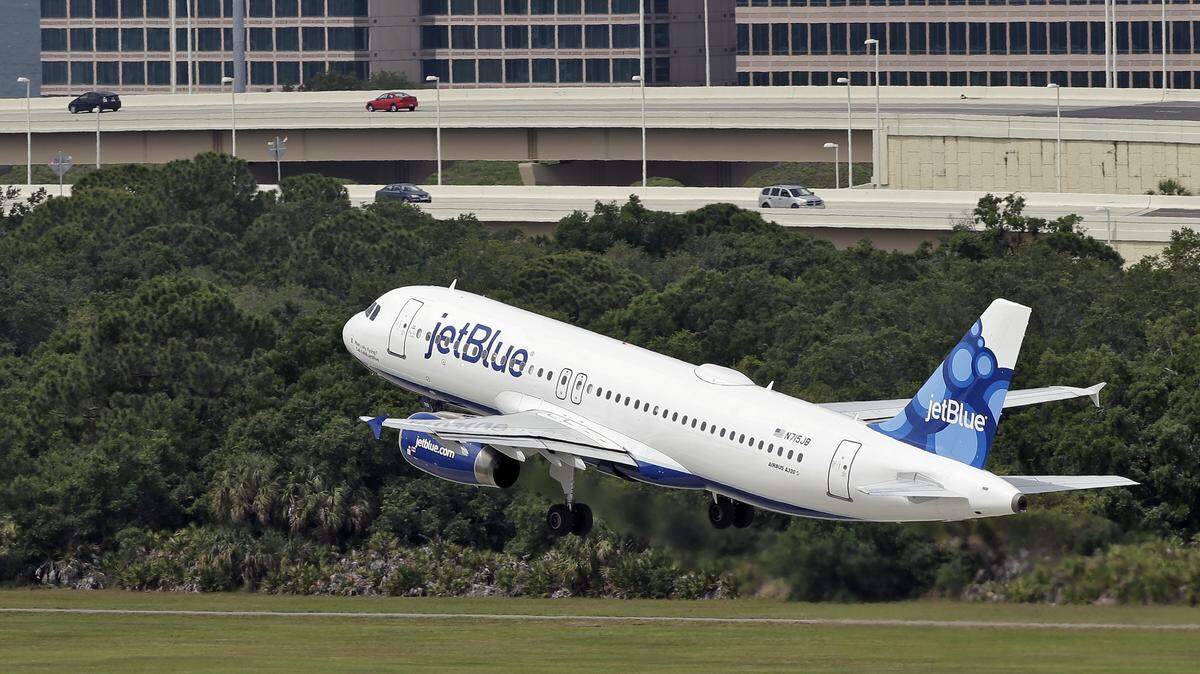
Last year, JetBlue’s unsolicited takeover bid for Spirit Airlines rocked financial markets and the aviation industry, after the Broward County airline already had said it would merge with ultra-low-fare rival Frontier Airlines.
The New York-based airline’s cash offer to acquire Spirit sparked a contentious, monthslong bidding war and culminated with Spirit’s shareholders agreeing in October to sell the company to JetBlue for $3.8 billion. Closing the deal awaits federal regulatory approval.
Ted Christie, Spirit’s CEO, said in a February call with industry analysts that the Miramar-based airline was expecting news from the Department of Justice within 30 days about whether regulators would allow the sale to go through or sue to block the deal.
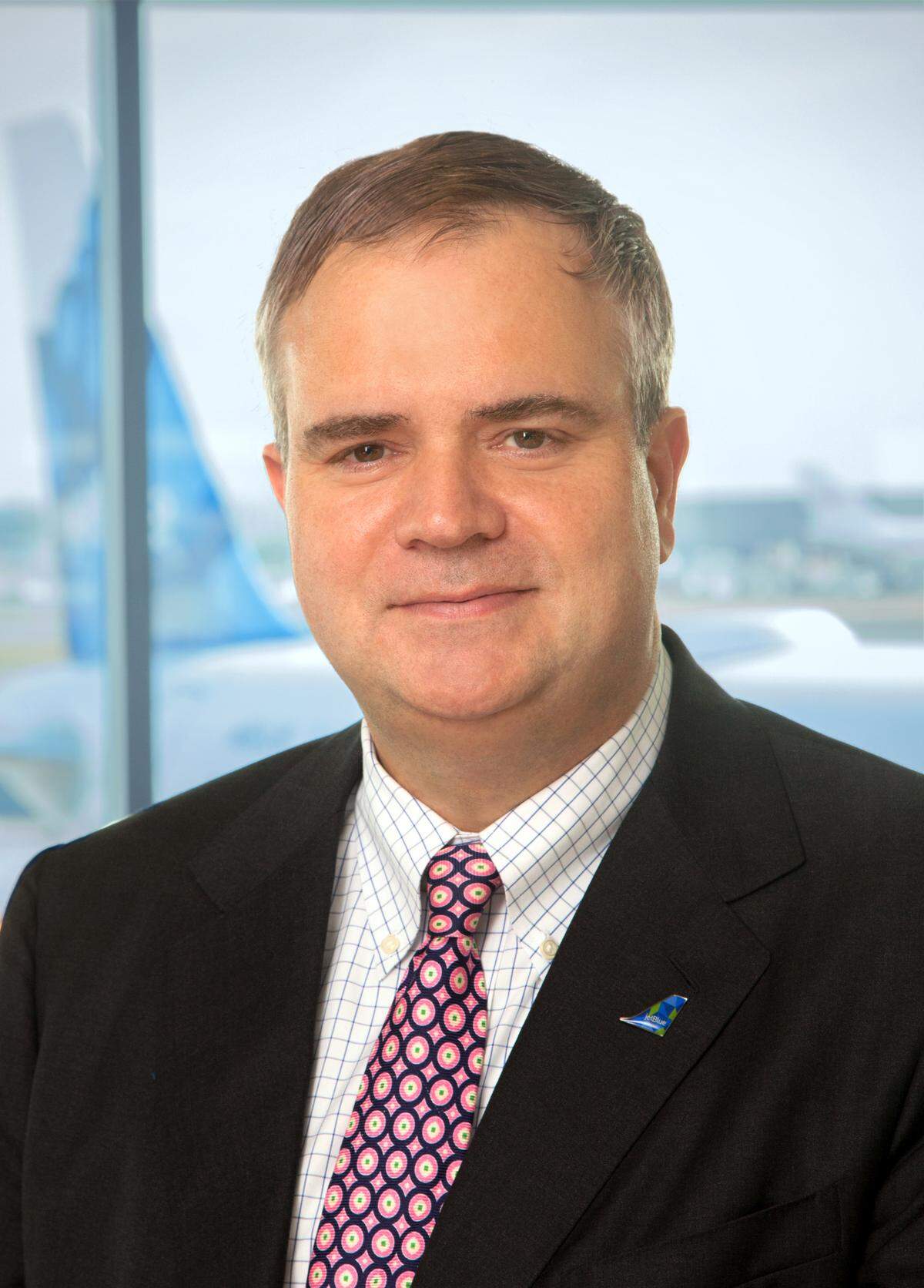
A larger JetBlue, after absorbing Spirit, would be run by Robin Hayes, 56, JetBlue’s CEO. Hayes is a lifetime airline professional. A London native, he started a front desk job at British Airways’ terminals in 1989, then worked his way up to run British Airways’ operations in the United States. In 2009, Hayes joined JetBlue as chief commercial officer and became CEO in 2015.
Pending approval from federal authorities, he’s poised to run the nation’s fifth-largest airline with significant operations in Florida.
The Miami Herald recently spoke with Hayes about his plans for a bigger JetBlue, the expected fate of Spirit’s 3,400 South Florida employees and the planned new Spirit headquarters under construction in Dania Beach.
This interview was edited for length and clarity.
▪ Question: What is your strategic vision for JetBlue adding Spirit and what does it mean for South Florida?
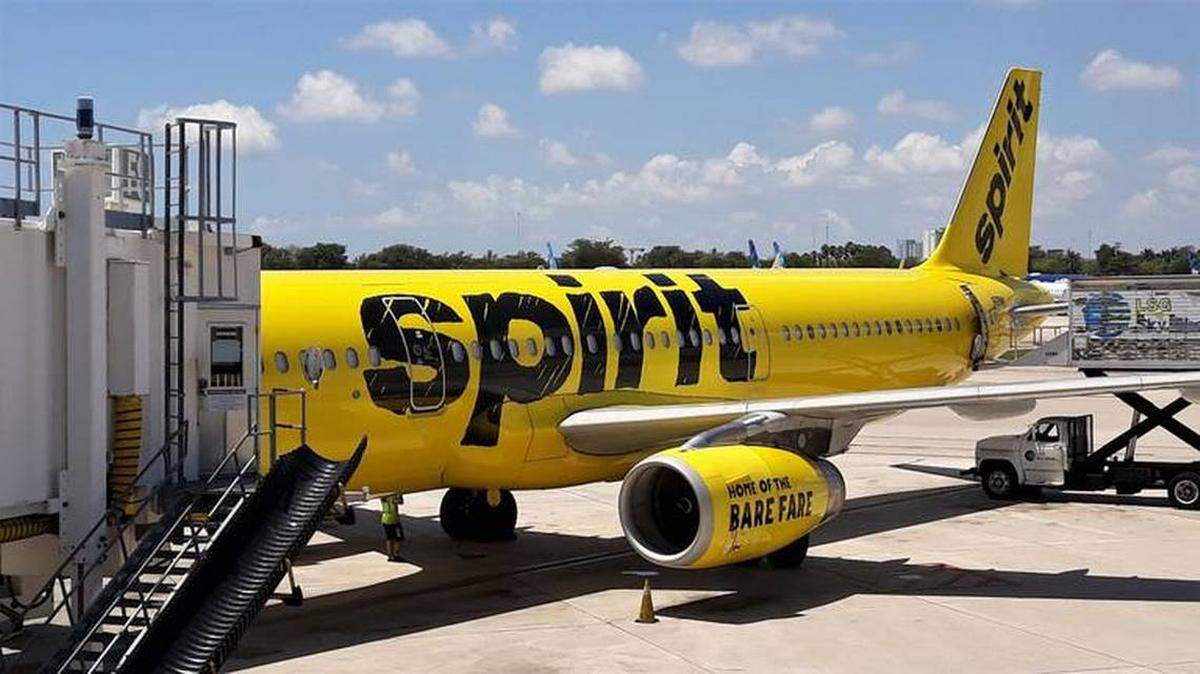
▪ Answer: The merger of JetBlue and Spirit is really about creating a bigger JetBlue. Spirit and JetBlue operate identical airplanes with the same engines. There’s been a lot of focus on the different business models of the two airlines, but the real benefit is that we have a common platform that’s going to allow us to keep costs down in the long term. Spirit and JetBlue together will become about 8% to 9% of the airline market; we’ll still be a distant fifth. A big challenge in the U.S. is you’ve got four airlines [American, Delta, Southwest and United] that have about 20% of the market each and the rest of us have 20% between us. And in South Florida, specifically, there’s the challenge of American Airlines’ dominance.
We think this is one of the most pro-competitive market things that we can do, because it’s going to bring the JetBlue product and service to more markets than we can do by growing ourselves. So, more low fares, more customer service. If you look at all the big innovations in commercial airlines in the last 10 to 20 years, Wi-Fi on airplanes, TV flatbeds across the country, all of those were led by JetBlue.
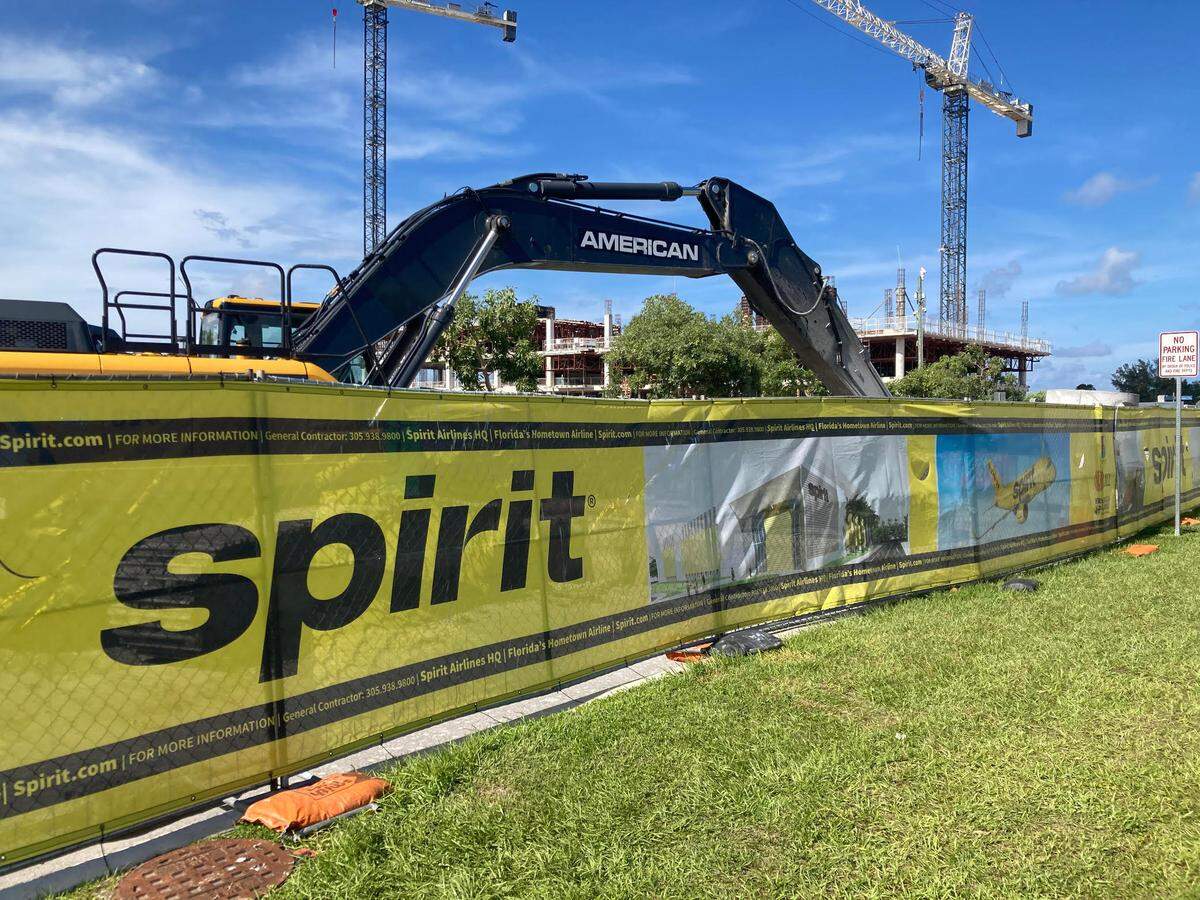
One of the main reasons for acquiring Spirit is to build more of a presence in Florida. JetBlue already has a very significant training center in Orlando, and we also have JetBlue Travel Products Company based in Fort Lauderdale. Spirit is opening a new corporate headquarters in Dania Beach, which we are committed to keep. We’re planning to build a maintenance hangar there and build a bigger maintenance base, which will create a lot of additional jobs in the community.
▪ Q: What is going to happen to the corporate and in-flight staff that Spirit employs in South Florida?
▪ A: We’ve been around 23 years and we’ve never furloughed anyone in our entire existence. We are very proud of that. What we’ve said to the Spirit team is that we’re doing this to grow. So we’re making a commitment to no furloughs, or layoffs.
No one in any of the Spirit, or JetBlue offices will be forced to move, if they don’t want to move. Also, everyone at Spirit will be brought up to the JetBlue pay rate, so there will be pay increases for the majority of Spirit team members.
▪ Q: Is Spirit’s CEO Ted Christie going to be a part of the combined company?
▪ A: Ted’s a really talented executive and he’s been terrific to work with. And all those decisions are going to be made in due course. I think it’s a bit early to be thinking about that.
▪ Q: Are you going to change anything about the new Spirit headquarters complex in Dania Beach?
▪ A: I think by the time the transaction with Spirit closes it’s probably going to be mostly built. My sense is we’ll run with what they’ve got. Airlines are pretty similar, so what they are building will probably suit our needs. There might be some things we have to adjust to make it kind of more common.
One of the first things I did when we announced this deal was go down there to South Florida and made an absolute commitment to saying that we’re there to stay. And frankly, we’ll add more people because we will need to continue to grow. Spirit does a lot of outsourcing for operations workers at airports that we don’t do. For example, in the Miami airport, we have our own people working there, but Spirit outsources.
▪ Q: Any hints how the regulatory process of reviewing the planned JetBlue-Spirit combination is going? Is there any update that you can share?
▪ A: We’ll expect to hear soon if the Department of Justice plans to approve this transaction or sue to block it. We hope, obviously, they approve it. We believe that this is the most pro-competitive thing that we can do for the airline industry. Especially given that all of these transactions have been approved before. I can’t think of a more consumer-friendly airline that can benefit the whole of the country. But if they don’t approve it, then obviously it’s going to take a little bit longer because we’ll have to go to court and make our case. But we believe we’ve got compelling facts that can prove out.
▪ Q: How are you planning to combine the two airlines’ business models? Will you be adopting anything from the Spirit, no-frills mission?
▪ A: This is about taking Spirit’s airplanes and turning them into JetBlue airplanes. We believe in offering customers lots of legroom, free Wi-Fi, free TV, free snacks, drinks, as well as low fares. We really think that you shouldn’t have to choose one or the other, and that will remain in JetBlue’s core values.
Having said that, we are very excited about having all the Spirit team members join us and becoming JetBlue. Spirit has a very skilled workforce and we need more pilots, in-flight crew members and maintenance technicians in order to grow. There will be some adjustment because we’ll have to retrain everybody on JetBlue procedures. But this isn’t the first time airlines have merged; there’s a process for that.
▪ Q: The bidding war JetBlue had with Frontier dragged on for months and got pretty contentious. When was the inception of the idea of acquiring Spirit?
▪ A: We actually looked at this in 2019. We did a lot of work as to whether we should maybe make an offer for Spirit back then. We were going to make an approach to Spirit in early 2020. But COVID-19 came. So obviously we all went into a sort of hunker-down, survival mode. We didn’t do anything with it at the time, but it’s something we wanted to come back to at some point. Then when we saw the offer that was made by Frontier for Spirit, that kind of forced our hand and we said, look if we want to do this, we have a window here and now to make it work. And so, ultimately, as you know, it was quite contentious during the process. But that’s in the past, and we’re working really well with the Spirit team now.