Miami small businesses, live venues await passage of latest relief bill: ‘It means survival’
Help could be on the way for Miami’s small businesses as part of a $900 billion COVID-19 relief bill passed by lawmakers in Washington D.C. this week. And, they say, it’s not a minute too soon.
President Donald Trump has signaled opposition to a second round of relief passed by Congress that includes $284 billion in new funding for the Paycheck Protection Program. Lawmakers are scrambling to implement changes that would satisfy the president’s concerns or, alternatively, line up votes that would override any veto.
Known as PPP, the program allows businesses to borrow money from the Treasury Department and apply for loan forgiveness if they spend 60% on payroll.
“The general mood of employees has ticked up,” said Tom Prescott, executive at the Biltmore Hotel in Coral Gables, prior to the veto threat. “That’s the kind of spirit you want to see [before] Christmas. These days we all need something to celebrate, and this is a welcome, early present.
In April, the Biltmore received a $4 million loan during the first round of the program, which Prescott said helped bring around 250 employees back to work. Then, the funds dried up.
“We had a tough decision to make of continuing to operate at a loss or let people go,” he said. The hotel is down to around 150 workers.
Prescott said he is still reviewing the fine print of the new bill but is encouraged by indications that business owners can write-down expenses covered by PPP loan funds, something that was not available in the first round. Businesses are allowed to apply for a second PPP loan as long as they have fewer than 300 employees and can prove they experienced a 25% dip in revenue during a quarter in 2020 compared to the same quarter in 2019.
Under current language, hotels and restaurants are eligible for loans 3.5-times the size of their payrolls, compared with 2.5-times for regular businesses. Jonathan Plutzik, principal owner of the Betsy Hotel on Ocean Drive, said making additional funds available for the sector was the right decision.
“One of the things we’ve all learned is how big the hospitality umbrella is, meaning when hospitality businesses are not doing well, the number of individuals adversely affected is huge,” Plutzik said. “So the way the bill is constructed appears to reflect that understanding.”
Plutzik said he had not yet made any decisions about whether he would take a second loan.
Any relief would be welcomed by the members of the Florida Restaurant and Lodging Association.
“Simply put, for many, this means the survival of their business and the livelihood of their employees,” Carol Dover, FRLA president and CEO, said in a statement.
And it means a new lifeline for small business owners like Miami Shores resident Sayblee Darsale, who runs a line of vegan hair care products. Darsale said it’s not a matter of “if” she’s reapplying for a PPP loan, but when.
Darsale received a small government loan over the summer that gave her only about a month of breathing room. She was able to pay herself and keep two part-time helpers.
“That’s already gone because you have to pay the bills and the bills keep coming,” said Darsale. “I must reapply.”
After weeks of going from bank to bank trying to secure a PPP loan in the spring, the whole thing started to feel like pie in the sky to Julian Siegel. He never got green-lighted. But he is eager to take another shot.
His three Riverside Market cafés and the homebrew supply store Craft Beer Cartel are hurting. PPP could help make the difference as he considers selling one of the businesses after seeing 60% losses this year.
“I had no idea there was anything else scheduled for businesses. If it comes I’m excited. I would 100% reapply,” he said.
He just wishes the process for applying made more sense, said Siegel.
“There should be a guidebook to help people apply for the loan because if you don’t know, you don’t know,” he said.
The bill also includes new carve-out funding for nonprofits, arts institutions and live performance venues. But current language muddies eligibility for those whose organizations’ structures span across those categories.
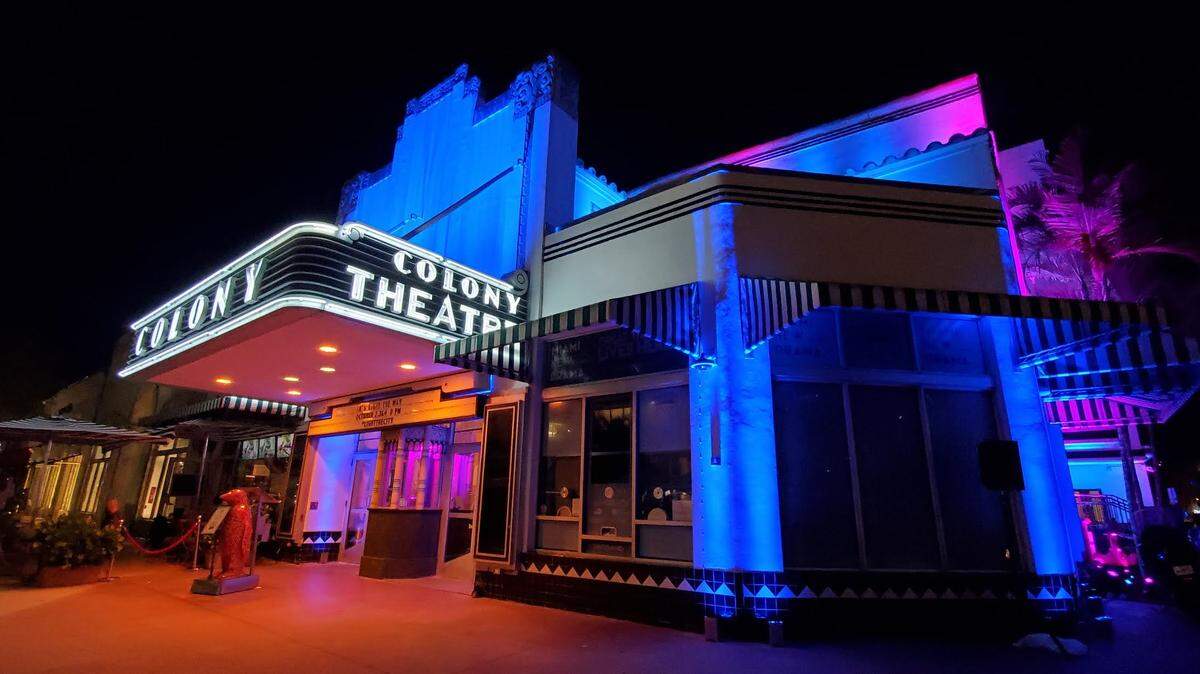
The Colony Theatre, for instance, is a live venue that is owned by nonprofit group, Miami New Drama. While the nonprofit gets significant revenues from performances, it receives even more from contributions and donations — meaning it may not be eligible for the initial round of grant payments, according to Colony Managing Director Nick Richberg.
“How contributed revenue is considered may knock many nonprofits to the back of the line when up against for-profit businesses that derive all of their revenue from ticket sales,” he said.
Whatever the final arrangement, Colony will take any funds it’s eligible for as it works to support the storefront live performances it is running on Lincoln Road.
“In many cases we’re busier than we were back in February,” Richberg said.
McClatchy reporter Alex Daugherty contributed to this story.
This story was originally published December 24, 2020 at 2:09 PM.