Traveling during Memorial Day weekend and beyond during coronavirus? It’s complicated
Packed beaches. Picnics and parties. Filled-to-the-brim hotels.
That’s the typical Memorial Day weekend in Florida. But this year, because of the coronavirus pandemic, the holiday is going to look a lot different — especially in Miami-Dade and Broward, where beaches and hotels are still closed.
Will we still hit the road for a little break?
For the first time in 20 years, AAA says it will not be issuing a Memorial Day travel forecast, which estimates the number of people traveling over the holiday weekend, because of the pandemic’s disruption. Most people are canceling or postponing trips due to fears of catching the disease. Also affecting the decision to travel: Not everything is open.
“Last year, 43 million Americans traveled for Memorial Day Weekend — the second-highest travel volume on record since AAA began tracking holiday travel volumes in 2000,” said Paula Twidale, senior vice president of AAA Travel. “With social distancing guidelines still in practice, this holiday weekend’s travel volume is likely to set a record low.”
South Florida’s sunny weather, sandy beaches and sexy nightlife will be taking a beating. South Beach’s nightlife is still on pause. Hotels, beaches and Airbnbs across Miami-Dade and Broward are closed. Some restaurants are still just doing takeout or delivery. And the Florida Keys — the ultimate South Florida staycation getaway — won’t allow tourists in until June 1.
“Without a doubt this is going to be a very quiet weekend, relatively speaking,” said Rolando Aedo, chief operating officer of the Greater Miami Convention and Visitors Bureau.
But it might not be that quiet across the rest of the state.
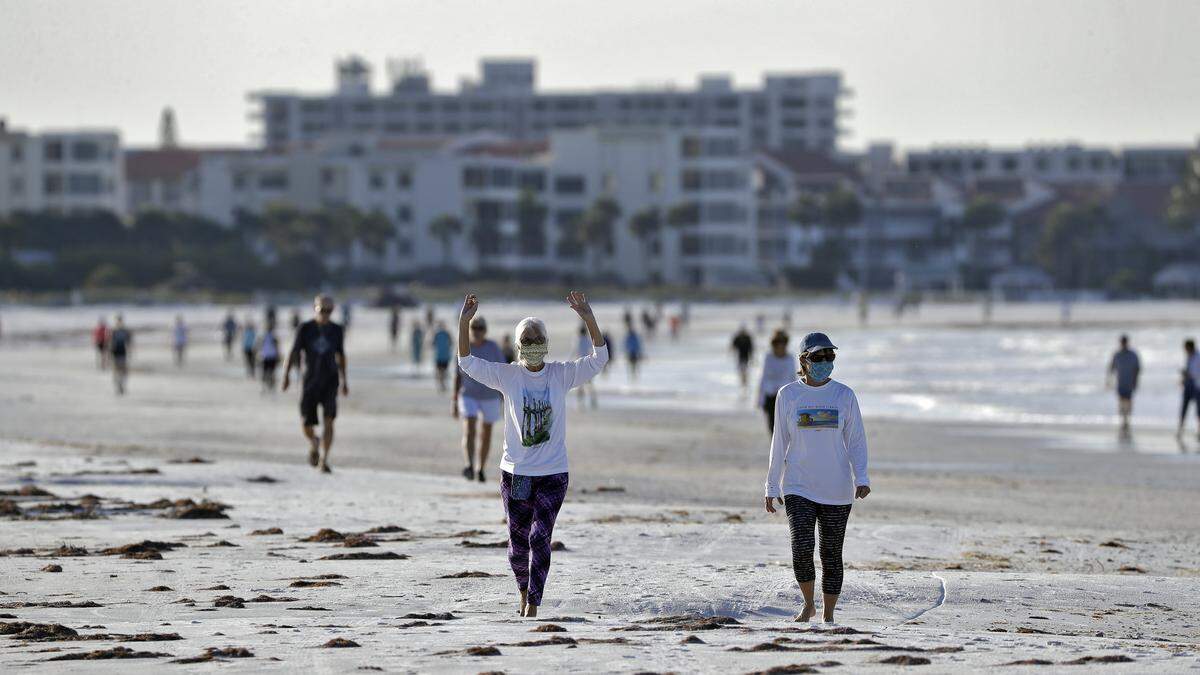
While Miami-Dade and Broward entered “Phase 1” of Florida’s Reopening Plan on Monday, with select businesses reopening at limited capacity, other parts of the state have already reopened their beaches to a steady stream of beachgoers, including in Palm Beach County and Naples. So have some hotels.
Disney Springs and Universal’s CityWalk have also partially reopened, though Disney World, Universal Studios Orlando and Islands of Adventure, Busch Gardens and all the other theme parks and water parks you can find across Florida remain closed.
Meanwhile, the Greater Miami Convention and Visitors Bureau has launched its Miami Shines campaign to promote staycations.
The campaign, which encourages business to continue to entice potential travelers to want to come again when it’s safe, is a recovery plan of sorts and will be kicked into full gear when hotels and beaches reopen to “drive locals into our hotels.”
“If they are going to travel anywhere, we want them to think of their backyard first,” Aedo said.
Before you click the “Buy” button or try to ask for a refund, here’s what you should know about vacationing in Florida, what the traveling risk is and the steps you can take to protect yourself and others:
Florida and other states are reopening after COVID-19. Is it safe to travel?
The Centers for Disease Control and Prevention isn’t too fond of the idea, at least right now.
“Because travel increases your chances of getting infected and spreading COVID-19, staying home is the best way to protect yourself and others from getting sick,” the CDC states.
Sometimes you need to travel for work or for a family emergency. But whatever the reason, the center says you should ask yourself these questions first:
▪ Is COVID-19 spreading where you’re going?
If the answer is yes, that means you could fall ill with COVID-19 if you come into contact with someone who has the disease while traveling.
▪ Is COVID-19 spreading in your community?
If it is, that means you run the risk of spreading COVID-19 to others while traveling, even if you don’t have any symptoms. Remember, doctors say that people who are infected with the disease can still spread it to others, even if they are asymptomatic.
▪ Will you or those you are traveling with be within six feet of others during or after your trip?
The CDC says that being within six feet of others can increase your chances of getting infected and infecting others.
▪ Are you or those you are traveling with more likely to get very ill from COVID-19? Do you live with someone who is more likely to get very ill from COVID-19?
Anyone can become infected with COVID-19, regardless of age, but older adults and anyone with a serious underlying medical condition are at higher risk of becoming severely ill with the disease, according to the CDC. And if you become infected, you could possibly spread it to your loved ones.
▪ Does the state or local government where you live or at your destination require you to stay home for 14 days after traveling?
Some states and local governments may require people who have recently traveled to stay home for 14 days.
▪ If you get sick with COVID-19, will you have to miss work or school?
The school year is about to end in Florida, but regardless, people diagnosed with COVID-19 need to stay home until they are no longer considered infectious.
Airplane, cruise, train and bus. Which one is safer to travel by during the COVID-19 pandemic?
The CDC says it still doesn’t know if one type of travel is safer than others. However, CDC officials say travelers should remember that airports, bus stations, train stations, and rest stops are all places you can be exposed to the virus in the air and on surfaces. These are also places where it can be hard to social distance (keep at least six feet apart from others).
The United States Health Department also still has a “Level 4” Do Not Travel advisory in place for international travel because of the global crisis the novel coronavirus, has caused. And the CDC continues to have a “Level 3” advisory for cruises, with the U.S. government recommending that U.S. travelers avoid going on cruises because of the “increased risk of transmission of COVID-19.”
While it’s up to you to decide if it’s worth traveling or not, here’s the CDC’s level of risk breakdown for each type of travel option:
▪ Airlines
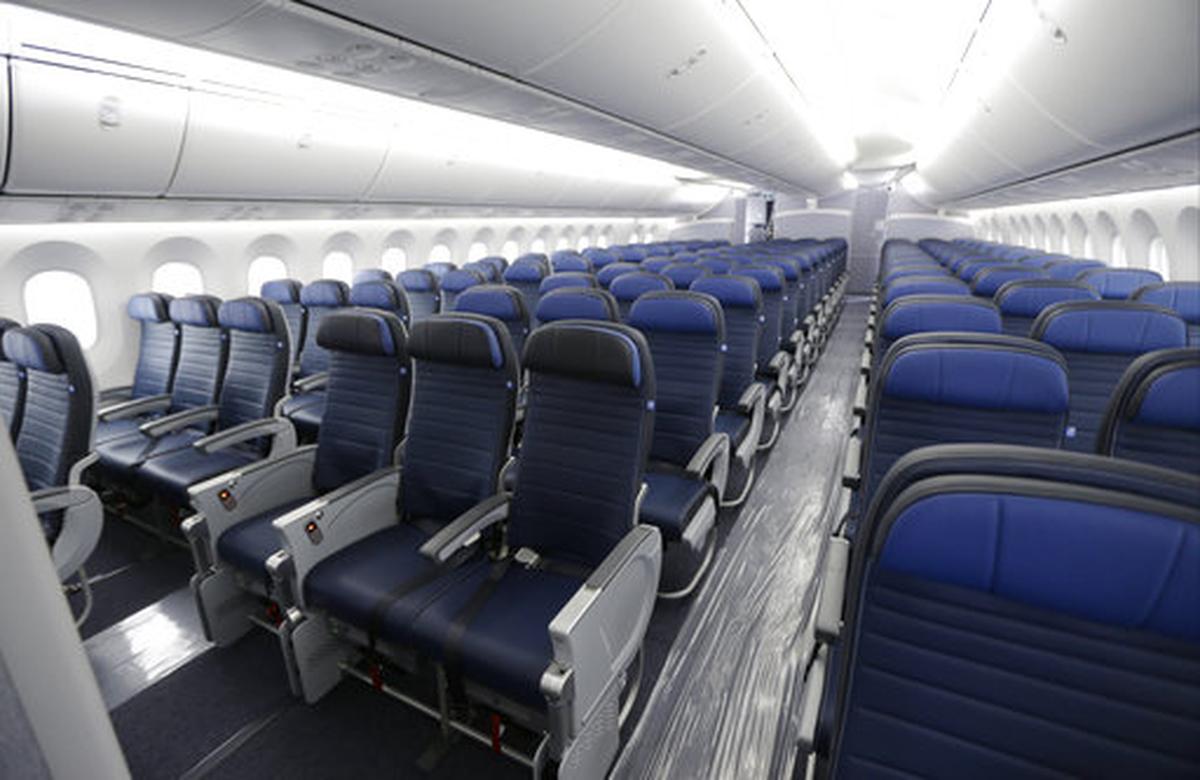
The CDC says most viruses and other germs do not spread easily on flights because of how air circulates and is filtered on airplanes, but crowded flights make it almost impossible to stay at least six feet away from others.
Ways to lessen the risk include choosing the window seat, upgrade to business or first class to have more leg room and avoid using the bathroom, according to McClatchy News. Many airlines are also requiring crews and passengers to wear a mask or face covering during the flight.
Air travel also requires you to spend time in security lines and airport terminals, which can bring you in close contact with others and frequently touched surfaces, increasing your chances of exposure, the CDC warns.
▪ Buses and Trains
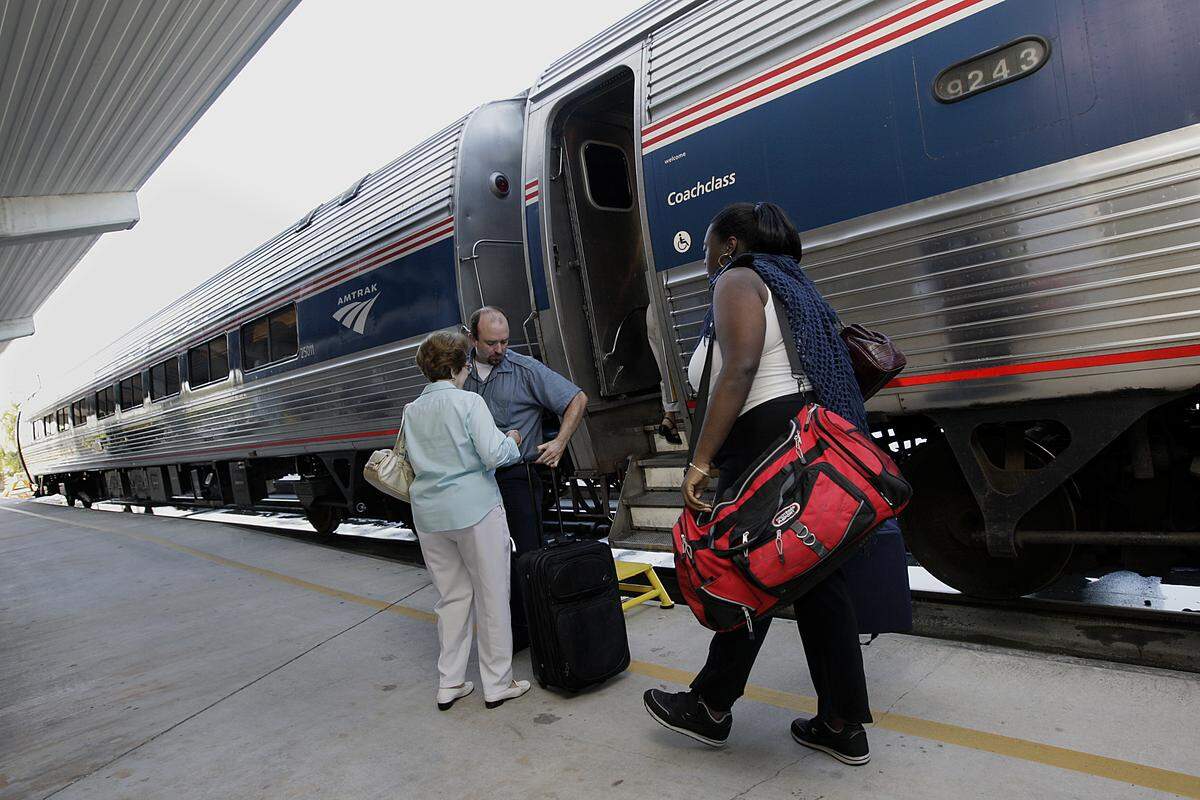
Traveling on buses and trains can require you to sit or stand within six feet of others, increasing your chances of COVID-19 exposure.
If you’re in Florida, keep in mind that Virgin Trains USA, formerly known as Brightline, is suspending service between downtown Miami, Fort Lauderdale and West Palm Beach for “the coming months.”
Tri-Rail is still operating on a reduced schedule and has temporarily suspended its fares until further notice. To learn more, visit https://www.tri-rail.com/.
Amtrak is continuing to operate as an “essential service” but there are some routes that have been reduced or suspended. Facial coverings are required and the service is offering trip flexibility without change or cancellation fees. Visit amtrak.com to learn more.
Greyhound is also requiring passengers to wear a face covering while on the bus and are also giving ticket holders options to request a refund or reschedule their trips. To learn more, visit https://www.greyhound.com/en/help-and-info/travel-info/peace-of-mind
▪ Cars and RVs
While you don’t have to worry about sitting next to a stranger during a five-hour road trip, traveling by car will require you to make stops along the way for gas, food, or bathroom breaks. This could put you and your companions in close contact with other people and surfaces, increasing your chances of COVID-19 exposure.
Car rental companies such as Enterprise and Hertz are still providing rental services and have created new cleaning and safety measures to limit the risk of transmission for customers and employees. Some of these options include curbside vehicle delivery and pickup and waiving young driver fees. Call your car rental company or visit the website to learn more about its respective COVID-19 response.
Recreational vehicles make it easier to social distance since you don’t have to make frequent stops for food or bathroom breaks, but it still requires you to stay at an RV park overnight and get gas and supplies at other public places. “These stops may put you and those with you in the RV in close contact with others,” the CDC says.
And just like car rentals, RV renting companies such as Miami RV Rentals and its City RVs branch (for rentals outside of the Miami area) have implemented new safety measures to limit the risk of COVID-19 transmission.
The RV rental company says it’s receiving “more and more phone calls and reservations for upcoming travels” and has modified its terms and conditions with a section discussing COVID-19 safety. Some of the changes include requiring all customers to wear face masks when in the office and when in the RV doing the orientation. The company has also changed part of its orientation to be an online-only component to encourage social distancing.
▪ Cruises
A No Sail Order for cruise ships went into effect March 14. Travelers should contact their cruise line directly for further information about refunds, rescheduling a trip and any other information. The U.S. Department of State and the CDC will also provide updates online.
Traveler’s checklist during the COVID-19 pandemic
▪ Make sure that your destination is open, including any rest stops along the way. This is because some states and local governments may have travel restrictions, such as stay-at-home or shelter-in-place orders, mandated quarantines upon arrival, mask/face covering requirements or even curfews.
In Florida, anyone who arrives from New York, New Jersey, Connecticut or Louisiana are required to self-isolate or self-quarantine upon arrival for 14 days, or for the duration of their presence in the state, whichever is shorter, according to Visit Florida, the state’s tourism arm.
Roadside checkpoints have been set up on interstates to check for potential COVID-19 cases coming into Florida from areas with substantial community spread of the virus, according to Visit Florida. The checkpoints do not apply to commercial drivers or health workers.
What’s open and closed in Florida:
▪ Most beaches are open, with social distancing-era restrictions in place. Beaches in Miami-Dade and Broward County remain closed. Broward is considering reopening its beaches on May 26.
▪ Florida’s Turnpike plazas are offering seating and food services again, except in South Florida. The three plazas — Snapper Creek, Pompano Beach and West Palm Beach — are limited to takeout orders only.
▪ Theme parks, bars, clubs, and movie theaters statewide are closed. Bowling alleys and theaters which host plays, musicals and other performances may also be closed, depending on the county. Universal Studio Orlando says it’s planning to reopen in June with a new string of social-distancing era rules.
The Walt Disney Co. and SeaWorld Parks & Entertainment are still preparing similar reopening proposals and are expected to present it to the Orange County Economic Recovery Task Force soon.
▪ Restaurants, shops and museums are open at limited capacity, with new social distancing rules in places. However, some businesses may have opted to remain close, so call ahead. Some cities also still have curfews.
Some hotels across the state have reopened. Airbnbs are complicated. There is a state order that says short-term (under 30 days) vacation rentals must stay shut down but long-term rentals (longer than 30 days) are allowed. Hotels and Airbnbs are still closed in Miami-Dade and Broward counties.
This means you need to double-check with the hotel or Airbnb host before your trip to make sure you’ll have a place to rest when you arrive. You should also find out about the refund policy, just in case.
▪ Some Florida state parks, trails and campgrounds have reopened for limited recreational use with new COVID-19 safety measures. Cabins will remain closed through May 31 and most events are canceled. To learn more about the safety measures or to see if the park or campground you are interested in visiting is open, visit https://www.floridastateparks.org/learn/safety-updates.
▪ If you’re flying, traveling by bus, train or renting a car or an RV, check with the company for new COVID-19 related requirements, such as the need to wear a mask or face covering, and what the companies cancellation or refund policy is.
▪ Make sure you take enough medicine with you to last for the entire trip. It might be a good idea to pack for a few extra days as well and pack non-perishable food and water just in case you find yourself in an area that has shut-down restaurants and stores.
▪ Pack enough alcohol-based hand sanitizer (at least 60% alcohol) to have readily available during your trip and make sure you always have a cloth face covering or a mask to wear in public places.
This story was originally published May 22, 2020 at 7:40 AM.