
More than 120 hotels remain open in Miami-Dade. Here’s who is allowed to stay there
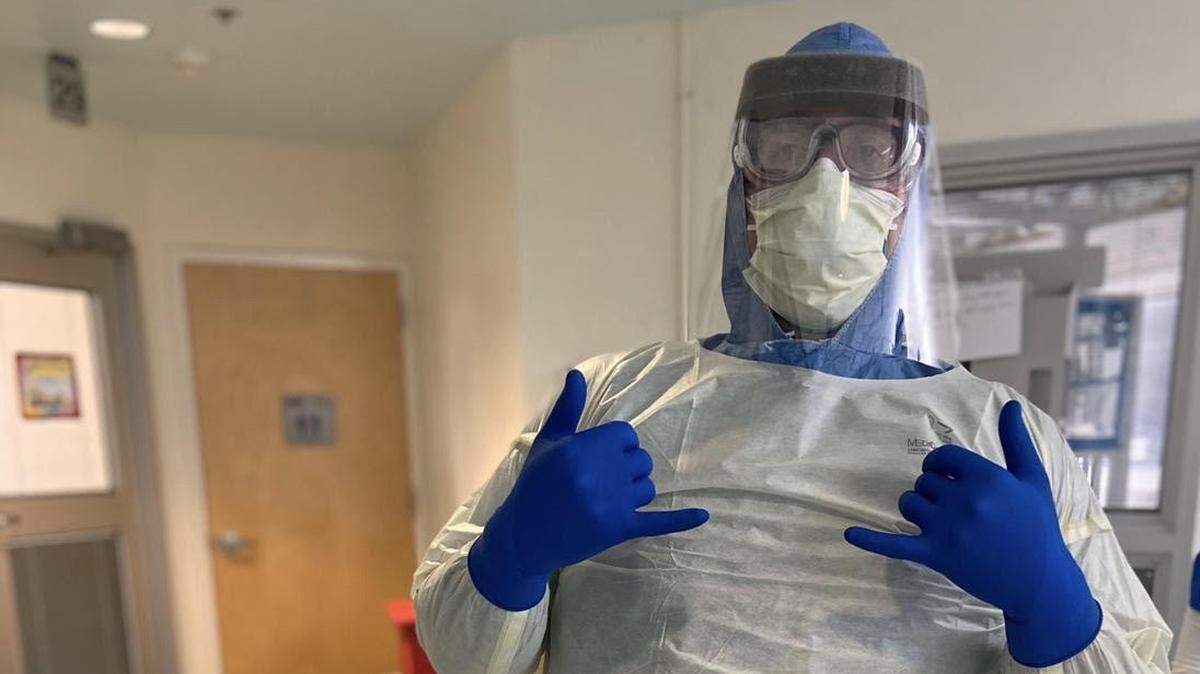
While most Miami-Dade County hotels are closed during the coronavirus crisis, 126 remain open exclusively for “essential lodgers” — including first responders, healthcare workers, airline crew members and displaced travelers.
But it is hardly business as usual at those properties, which are running at 20 percent occupancy. That’s a slide of 75 percent from a year ago, according to the latest data from STR, an industry tracking firm. Overall, the county has about 460 hotel properties and 58,000 rooms, according to the Greater Miami Convention and Visitors Bureau.
Hotel bars, restaurants, swimming pools and gyms are closed. There is no room service. No breakfast buffet. No congregating in the lobbies.
“I feel terrible because we cannot serve breakfast like before; we can only provide very basic breakfast bags that include fruit, yogurt and a muffin in plastic wrap,” said Linda Camarena, vice president of sales southeast region for Baywood Hotels, a company that manages 10 South Florida lodgings in the Marriott and Hilton chains.
“Everything is different. It’s not our typical hospitality and that is hard for me,” she said. “My major is in hospitality. We are here to provide excellent service and with these limitations, we just can’t.”
Among the hotels in Baywood’s portfolio are the Residence Inn Doral, AC Doral (Marriott), Hampton Inn Airport East, Homewood Suites downtown (Hilton), Hilton Garden Inn Miami Beach, Hilton Garden Inn Downtown-Brickell, Fairfield Inn Airport, Fairfield Inn Doral, Red Roof Inn Airport, and Home2 Suites by Hilton Doral.
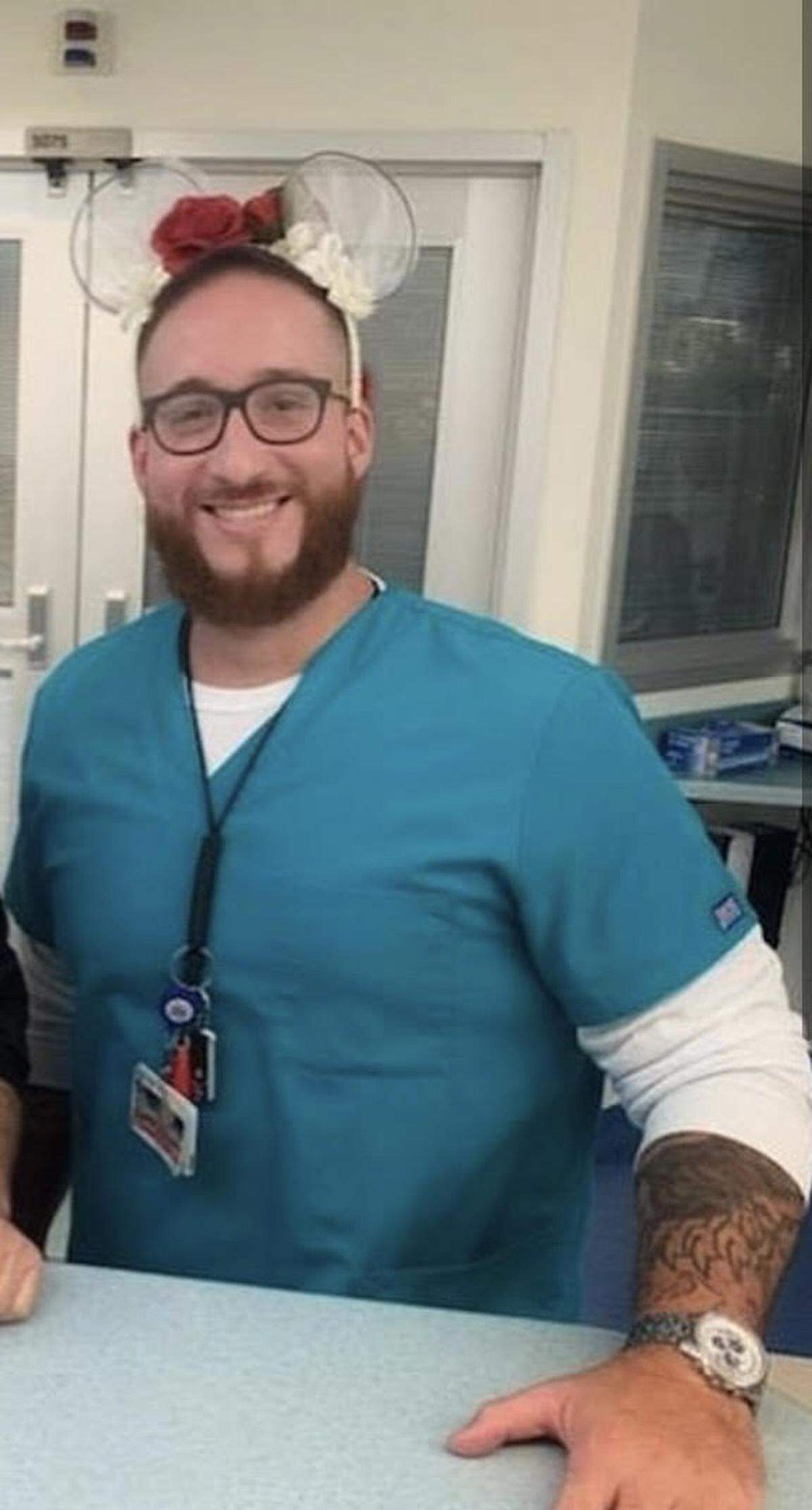
Typically, those hotels cater to corporate clients, cruise passengers, international airline crews, convention goers and wedding guests. But since the COVID-19 travel restrictions began, guest lists have included nurses deployed to Jackson Memorial Hospital and Mercy Hospital from Jacksonville and Georgia, state health officials, first responders and members of the Army Corps of Engineers, who converted the Miami Beach Convention Center into a makeshift hospital in case it was needed.
Some of the rooms at the Baywood Hotels are being offered free of charge as part of an initiative between Hilton and American Express, which partnered to donate up to 1 million hotel room nights across the United States to medical professionals on the front lines in the fight against coronavirus. Rooms are available to doctors, nurses, EMTs and paramedics.
Another lodging company donating rooms to medical workers is Domio, an apartment/hotel short-term rental company that manages over 2,000 rooms in 10 cities — including at the Monte Carlo in Miami Beach, the Caoba building in downtown Miami and the new 175-unit Domio Wynwood condo hotel.
Jay Roberts, the co-founder and CEO of Domio, has a special place in his heart for the medical profession because his sister is a nurse. He announced in early April that the company would make 1,350 room nights available at no charge for Miami healthcare workers at the Caoba downtown and the Domio Wynwood. The initiative was in partnership with the Wynwood Business Improvement District.
So far, 800 room nights have been booked.
“As a company with a new property in Wynwood, which is close to Miami’s health district, we felt we were in a unique position to offer our rooms to the local community during this difficult time,” Roberts said. “We hope this will provide hospital staff a comfortable alternative to driving home between long shifts as well as piece of mind of not potentially exposing their family members to the virus.”
One worker taking advantage of Domio’s offer is Chris Ocasio, a 32-year-old Jackson pediatric ICU nurse, who wants to self-quarantine to protect his family at home.
Ocasio lives in Doral with his mother, who has autoimmune conditions and is more susceptible to COVID-19. He works the 7 a.m. to 7 p.m. shift with intubated pediatric patients, many of whom are infected with the virus, so his work environment has been more stressful than usual.
“Fortunately, the kids aren’t getting hit as hard as the adults are, but those kids have other medical issues like cardiac conditions, liver disease and diabetes, so they get pretty sick,” Ocasio said. “Driving into the hospital, you start to feel stress. Then, before you go to your unit, you have to start dressing with all the protective gear, donning all the equipment. It’s very intense.”
Typically, Ocasio and his co-workers wear gloves, mask and a gown. Now, they are required to wear full-body bunny suits, booties to cover their shoes, an N95 mask, a secondary mask, goggles, face shield and gloves.
“Being in the room with patients is more stressful than usual,” he said. “Not only am I worrying about the patient’s safety, but I’m worrying about my safety. Then, you think about `Can I take it home? Am I going to infect my family?’ I was nervous every time I drove home.’’
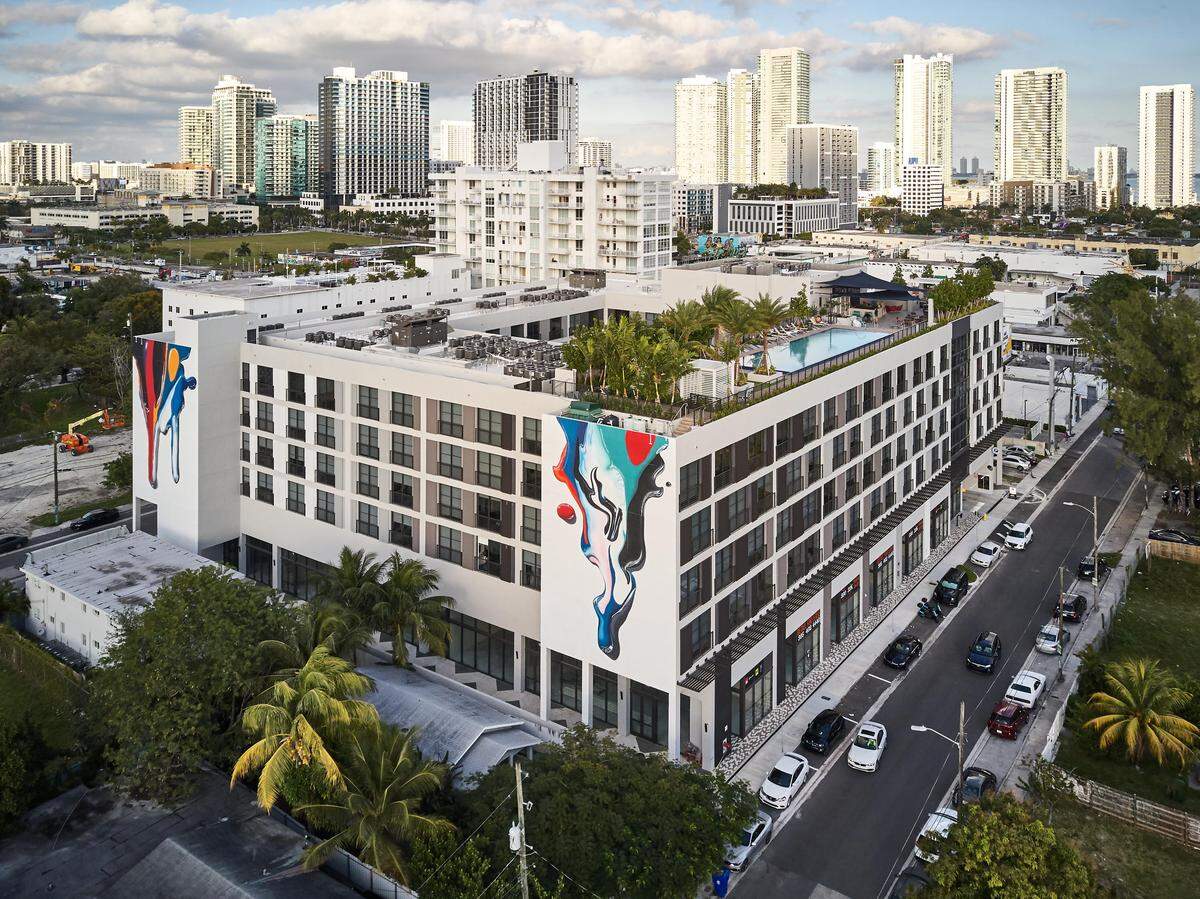
When he saw an offer in the hospital newsletter for temporary free lodging at a nearby apartment building, he applied.
Ocasio has been staying in a 1-bedroom apartment at the Caoba, and says he feels more relaxed.
“Initially, I felt bad about taking a freebie or handout, but then I had a conversation with my girlfriend, who is also a nurse at Jackson, and we agreed it was best for me to stay there,” he said.
“The apartment is three minutes to the hospital, it’s beautiful, nicely furnished and I don’t have to worry about infecting my mother.”
Another hotel open to essential lodgers is the InterContinental downtown. Like the others, the hotel bar and restaurants and pool are closed. There is no room service. No spa services.
But last Friday, the hotel reopened the lobby Starbucks for takeout eight hours per day, with a menu of breakfast sandwiches, prepared foods and all the usual beverages. Floor decals were applied to remind patrons of the six-foot recommended distancing and customers have no contact with any food they are not buying.
“We chose to remain open to serve the community the best we could,” said Glenn Sampert, the hotel’s general manager. ”The fact that we are a luxury hotel means that our rates are not the lowest price in town, so we haven’t seen a lot of the first-responder business. Most of our guests have fallen into categories of airline crews, pilots of international cargo planes and displaced travelers — people who were not able to travel home.”
Sampert wouldn’t say exactly how many guests are staying at the 653-room hotel, but “it’s a very small number. We’re not a busy hotel right now.”
This story was originally published April 29, 2020 at 6:00 AM.