
Why HOA architectural reviews need careful deliberation
Matters involving architectural reviews and approvals can become particularly contentious and time consuming for homeowner associations, especially in large communities.
The most prevalent and efficient approach for HOA boards of directors is to rely on the decisions and recommendations of architectural review committees made up of volunteer owners who are independent from the directors and well versed on the association’s architectural guidelines.
Architectural review committees can review, comment on, and approve or reject owners’ plans for property improvements and modifications in accordance with a community’s governing documents and architectural guidelines. However, in accordance with Chapter 720 of the Florida Statutes, they are prohibited from limiting or restricting interior changes to a home if the changes aren’t visible from the front of the parcel, an adjacent parcel, an adjacent common area, or a community golf course. Reviews for air conditioning, refrigeration, heating, or ventilation systems that are substantially similar to those previously approved and not visible from the outside are also similarly restricted.
Florida law calls for ARC decisions to be based on objective written standards that have been properly adopted by the board of directors. Denials based on unwritten or misapplied rules or standards, or perhaps on subjective personal preferences, would be on unsound standing.
The work of committee members is to apply and enforce a community’s architectural standards and guidelines as equitably and reasonably as possible with all owners. Just as with board meetings, ARC meetings must be open to all association owners with notices conspicuously posted at least 48 hours in advance, and the minutes must be recorded.
Responses to owners’ modification and improvement requests typically are required to be issued within 30 days of submission, unless the association’s governing documents state otherwise. Failures to respond within the timeframe specified in the documents may be deemed as approvals.
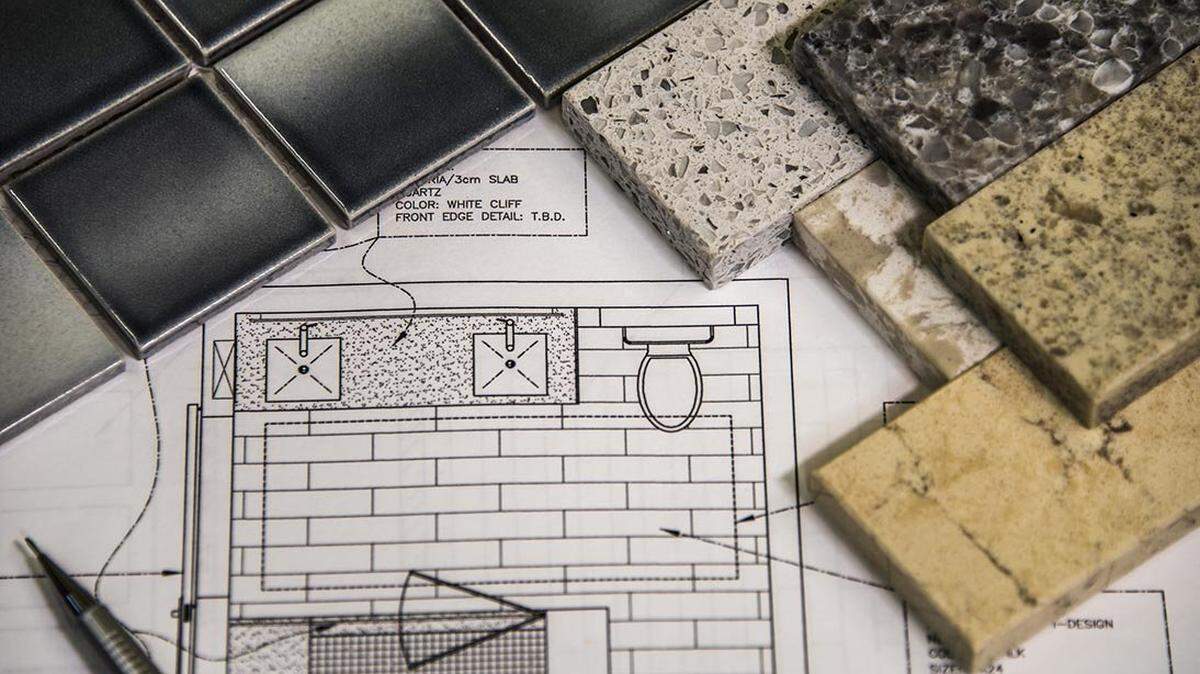
In order to facilitate the work of ARCs, associations should use a standardized review process that may include a uniform application for all exterior modifications. Most applications will likely include supporting materials such as photos, drawings, site plans, and color samples.
Evaluations of submitted requests should focus on whether the changes comply with the governing documents as well as the adopted architectural standards and guidelines. They should be assessed for whether they maintain visual compatibility and cohesion with surrounding structures; do not create structural, drainage or maintenance concerns; and do not unreasonably impact neighboring properties.
For any denials of owners’ requests, ARCs should provide a written notice stating with specificity the rule, guideline or covenant they relied upon in making their decision, and exactly which part of the proposal failed to conform.
Architectural review committee members should also bear in mind that Florida law bars them from denying applications for hurricane protections that meet the community’s standards and specifications. Homeowners associations must adopt hurricane protection specifications for every parcel governed by the association, and these typically include the color and style for products that comply with the applicable building code.
Governing documents often provide for an appeal process to the board of directors for owners’ modification or improvement requests that are denied by the ARC. All hearings and appeals of this nature should be documented, and directors should use their reasonable and unbiased judgements when considering limited variances. Such variances can come into play whenever the strict application of community guidelines would cause undue hardship, and directors may also consider conditional approvals that require additional safeguards and modifications.
If an owner moves forward with a modification that had not received prior ARC approval, boards of directors should act quickly and in a consistent fashion with prior enforcement actions. The process typically entails violation notices citing specific governing provisions, and hearings to discuss and decide upon an ultimate resolution.
Boards should make ample use of progressive enforcement measures before considering the possibility of escalating to legal action. They should utilize consistent enforcement procedures to protect against any potential claims of selective treatment and reinforce the integrity of the association’s architectural review process.
Directors should always remain conscious of the fact that owners who are able to demonstrate in court that they were harmed by unreasonable denials may be entitled to monetary damages plus the recovery of attorney’s fees and legal costs if they prevail. They should also turn to the state-sanctioned arbitration/mediation options when necessary to help find reasonable resolutions.
Architectural review can present significant challenges for homeowners associations and the communities they serve. Their directors and committee members should act on such matters under the guidance of highly qualified and experienced association counsel to help ensure their decisions pass legal scrutiny.
# # #

Nicole R. Kurtz is a shareholder with the South Florida law firm of Siegfried Rivera who focuses on community association law and is based at the firm’s Coral Gables office. She is a regular contributor to the firm’s Newsroom blog at www.SiegfriedRivera.com/blog. The firm also maintains offices in Broward and Palm Beach counties, and its 49 attorneys focus on real estate, community association, construction, and insurance law. NKurtz@SiegfriedRivera.com, 305.442.3334, www.SiegfriedRivera.com