Miami-Dade clears way for hundreds of homes on Kendall golf course
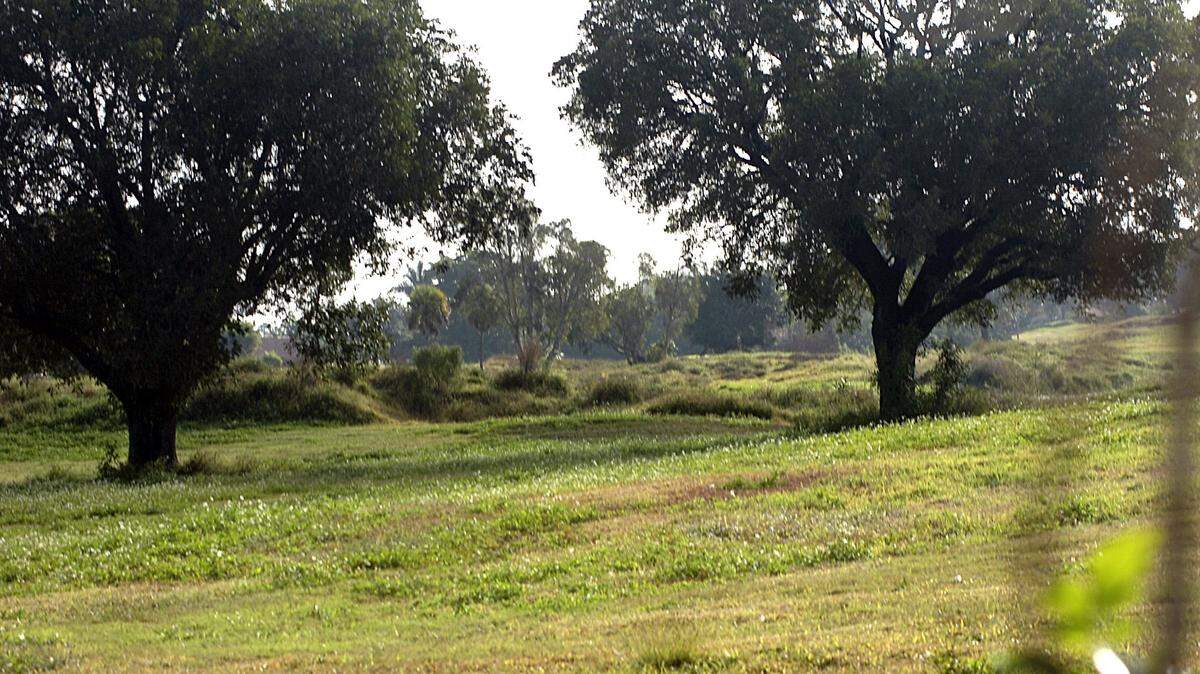
After a years-long dispute over the redevelopment of a shuttered golf course in West Kendall, the Miami-Dade County Commission voted to clear the way for a developer to build 524 homes on the site.
Commissioners voted 8-5 on Thursday to approve a zoning change that will allow developer GL Homes to build hundreds of single-family homes on the 168-acre site off Southwest 127th Avenue near Killian Parkway.
When GL Homes first proposed the redevelopment plans nearly a decade ago, the developer wanted to build 1,300 homes on the old Calusa Golf Course, which has been closed since 2011. Since then, rare birds have nested in a lake on the property.
Amanda Prieto, an activist who lives near the proposed development, has led the nonprofit Save Calusa Inc. for years. She has pushed for protections for the bird rookery and to reduce the scale of the development. After Thursday’s meeting, she told the Miami Herald she was “definitely disappointed” in the outcome. She had previously characterized the dispute as a “David versus Goliath” situation.
“I think it’s a tremendous loss for the community,” Prieto said.
The zoning change was approved after remarks from Prieto and the developer. Commissioners did not discuss the item on the dais.
The project has been delayed by years of back and forth between the developer and nonprofits including Save Calusa Inc. and the Tropical Audubon Society. In 2021, commissioners voted to approve GL Homes’ plans. But a lawsuit filed by Save Calusa Inc. that went up to the Florida Supreme Court forced the developer to restart the zoning hearing process.
The commission revisited the proposed redevelopment this year. At a February zoning hearing, after more than two hours of discussion, commissioners decided to defer voting on the proposal.
Since then, the developer, the Tropical Audubon Society and Save Calusa Inc. have met and discussed potential changes to the proposal.
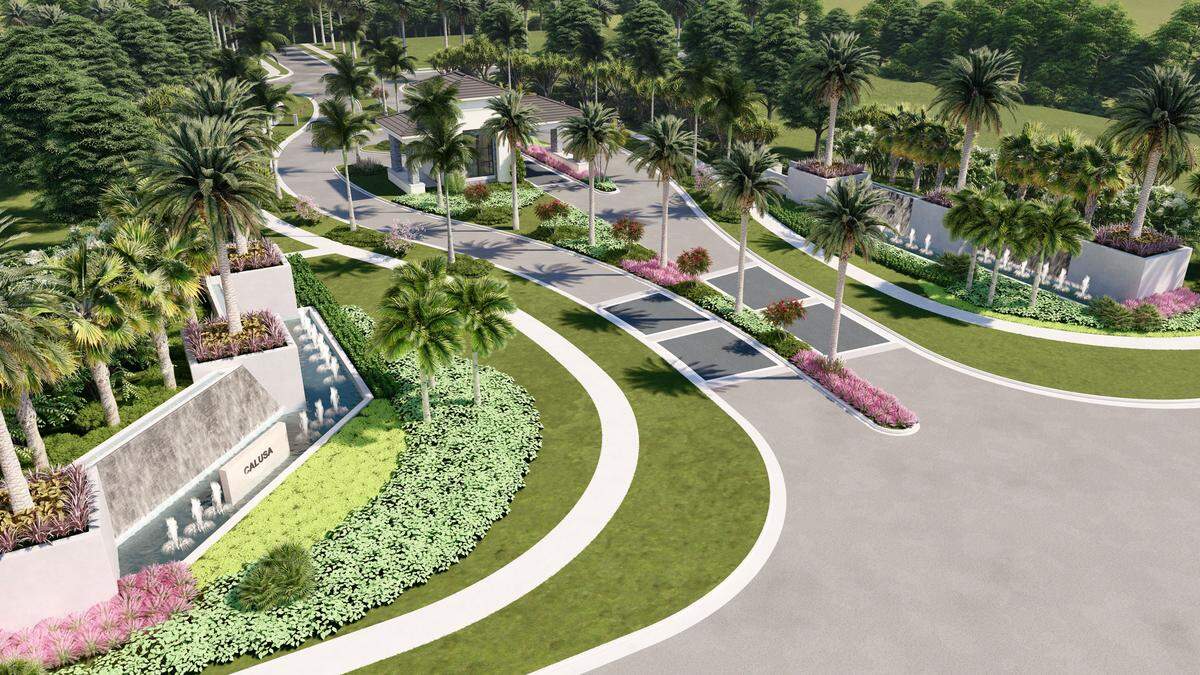
GL Homes and the Tropical Audubon Society reached a settlement agreement that widened the buffer zone around the nesting site from 100 feet to 330 feet. That reduced the number of homes that will be built from 540 to 524. The developer also agreed to expand the lake and add landscaping like hedges that will protect the nesting site.
Save Calusa Inc. did not sign onto the settlement agreement. Prieto said she’s happy to see better protections for the rookery. But the settlement agreement did not assuage her worries about the density of the development and the traffic it could bring to the area. She added that she would have liked for the developer to offer to build a park in addition to the concessions it made.
David Winker, the attorney representing Save Calusa Inc., said he had not yet decided whether his team would file a lawsuit or otherwise appeal Thursday’s decision.
Richard Norwalk, a senior executive at GL Homes, said the firm is “excited” to continue working with the Tropical Audubon Society as it builds out the rookery improvements laid out in the settlement. Norwalk said GL Homes also agreed to wait to build 37 homes in the neighborhood that are close to the rookery. The developer will wait until two years after the rookery improvements are completed to allow vegetation around the site to grow in.
Norwalk told the Miami Herald after Thursday’s meeting that he was pleased with the outcome.
“We are happy,” Norwalk said. “We’ve been at this for a long time, and we think that it’s good for the county to find some more housing here.”
The developer did not specify the prices of the new homes, but they’re expected to be higher than the prices of the houses already surrounding the closed golf course. Norwalk could not say exactly when the development would be completed, but he said GL Homes will start the permitting process to build the homes and make the rookery improvements right away.
Even after Thursday’s vote went his way, Norwalk expressed a degree of caution about the future of the Calusa redevelopment. He seemed chastened by the years of delays and disputes over the project.
“We passed zoning just like this in 2021, and here we are today,” said Norwalk, “so you’ll get no predictions from me.”
This story was originally published April 23, 2026 at 1:20 PM.