
How mid-income borrowers can get the help, and the house, they need
Need help coming up with a down payment? It’s there for the asking.
More than 2,600 programs nationwide offer assistance. Better yet, the aid is not just for entry-level buyers — it’s also for middle-income buyers who can afford the monthly expenses of homeownership, but can’t seem to save enough for a down payment.
According to Down Payment Resource, there are 2,624 down payment assistance programs nationwide, with an average benefit payout of $18,000. It’s true that most programs are for first-time buyers. But 38% of programs are not limited to first-timers, and 10% have no income limits.
Down payment assistance programs are largely administered by state housing agencies, but some are run by private employers. Every state has at least one program. At last count, California offered 348 programs, the most in the country.
Originally, assistance programs were aimed solely at low- and moderate-income buyers who, for the most part, earned no more than 80% of the local median income. But around 2020, as affordability became a much broader issue, income limits began expanding — or disappearing altogether, says DPR’s Rob Chrane.
“As more and more people have become impacted by the high cost of housing,” Chrane says, assistance “has almost become mainstream.”
He says some buyers are even using assistance programs as a wealth preservation tool, allowing them to keep their own money in the bank.
Miki Adams of the Cedar Band Corporation Mortgage Agency says she hasn’t seen much of that. Rather, assistance is for people “who truly don’t have the ability to save for a down payment. It’s a real struggle.”
Here’s an idea of the types of assistance available, plus a few examples:
Second mortgages: These loans are subordinate to your primary mortgage and are used primarily for down payments or closing costs. They come in several varieties: hard, soft and silent.
A “hard second” is an interest-bearing mortgage that amortizes monthly, with payments beginning immediately. With a “soft second,” payments are deferred over a specific period — or even forgiven, whether fully, partially or incrementally. And with a “silent second,” payments are deferred until the loan matures or until the house is sold or refinanced.
Alexandria, Virginia’s Flexible Homeownership Assistance Program offers $20,000 to $50,000 in down payment help, depending on income. The help comes in the form of a deferred zero-interest loan that’s payable upon resale or after 99 years, whichever comes first.
In the Bronx, New York, the HOME Down Payment and Closing Costs program offers up to $40,000 in aid, depending on need, with an incrementally forgivable zero-interest, five- to 10-year loan. And in Indianapolis, the EdgeFund offers second mortgages of up to 30% of the purchase price at 0% in some area counties and 2% in others.
Grants: These are monetary awards to qualifying buyers with no subordinate lien attached to the property. In Long Beach, California, the city’s First-Time Homebuyer Assistance Program gives qualified buyers $25,000 to help with their down payment. Recipients must be first-time buyers who earn no more than 200% of the median income for the area, but there are no limits on the price of the house.
Mortgage credit certificates: These provide federal income tax credits for income-qualifying buyers. In Escambia County in Florida, the housing finance authority hands out 20% credit certificates to first-time buyers. The credits are available each year that the buyer continues to live in the property.
Combined assistance: In many cases, buyers can pool the benefits of more than one program.
While $18,000 is the average benefit from down payment programs, some offer much more. The San Francisco Down Payment Assistance Loan Program offers up to $500,000 in aid with income limits up to 200% of the area median. The loan is deferred, with zero interest and shared appreciation. The program is so popular that it is lottery-based when it is recapitalized every year.
Most programs are not limited to just single-family homes: Almost all allow for the purchase of condominium apartments, according to Chrane. But nearly 30% also cover people acquiring a duplex, triplex or four-plex. There’s even a category for those buying a half-duplex, in which each unit is owned separately.
Programs aren’t limited to conventional mortgages, either. They can also be used with government loans. One company that provides such a service is the above-mentioned Cedar Band Corporation Mortgage Agency, a nationally chartered housing finance group owned by the Cedar Band of Paiute Native Americans. CBC works with more than 200 lenders in every state except New York, offering 3.5% to 5% second mortgages for borrowers using Federal Housing Administration-insured loans. These second mortgages are either repayable or forgivable after 42 months of on-time payments on the owner’s primary mortgage.
The Panorama Mortgage Group, which also funds loans originated by mortgage brokers, has a similar program, except that the 3.5% second mortgage is forgiven after 36 months of on-time payments. Panorama’s assistance program accepts borrowers with credit scores as low as 600.
Finally, income limits for down payment assistance vary widely by location. In California, for example, the ceiling exceeds $300,000 in some counties. In Denver, the household income cannot be more than $210,150. In Washington, statewide programs have limits above $200,000.
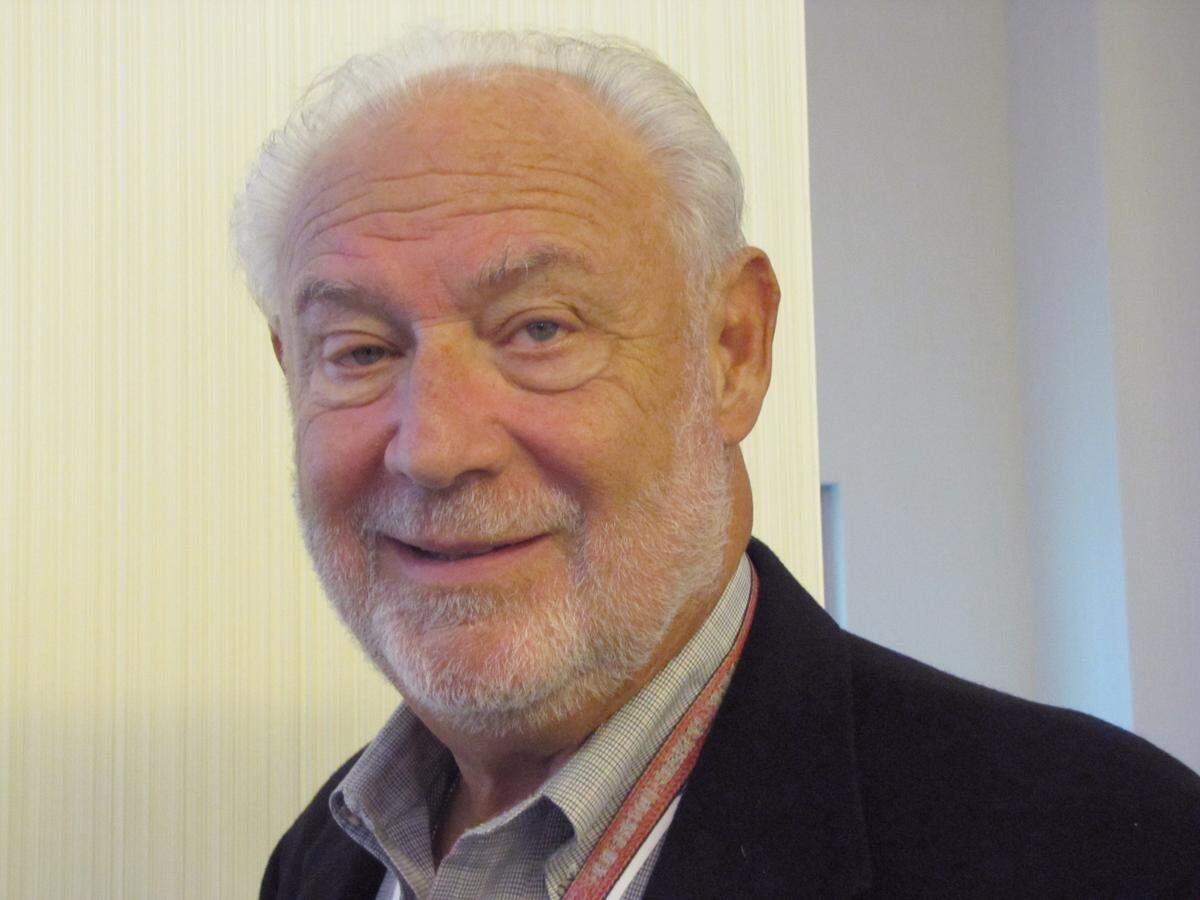
Lew Sichelman has been covering real estate for more than 50 years. He is a regular contributor to numerous shelter magazines and housing and housing-finance industry publications. Readers can contact him at lsichelman@aol.com
This story was originally published January 15, 2026 at 12:40 PM.