
Dreaming of a big house? What’s inside a smaller one may fit better
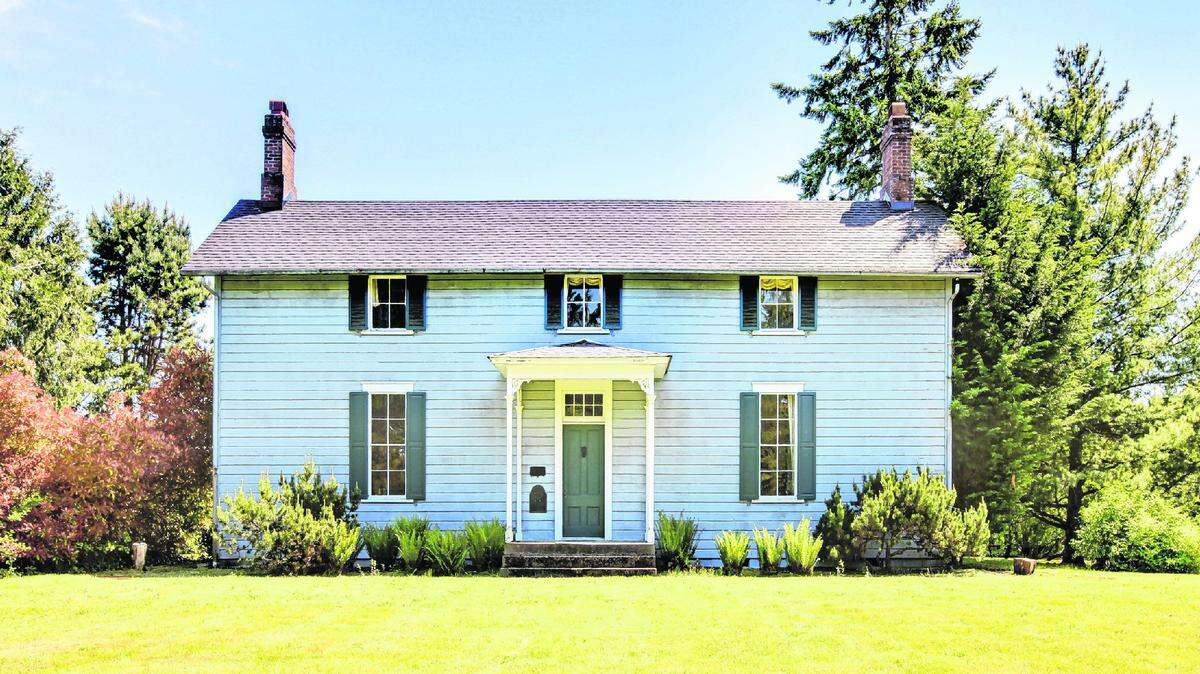
Bigger isn’t always better. Going into the spring shopping season, buyers looking for newly built houses will find places that are smaller, but just as functional.
Homebuyers will find models with less square footage. But packed inside those smaller spaces, they’ll see larger kitchens, more (and better) bathrooms and lots of electronic gadgets.
House sizes are already falling. In 2025’s second quarter, according to Census Bureau data, the median single-family home was 2,125 square feet. That’s the lowest it has been in years, and houses are poised to become even smaller to meet demand for more affordable places.
Recent data from NewHomeSource and Zonda House Plans confirms the trend. NewHomeSource reports that house hunters are searching for less square footage than they were last year, and Zonda’s Aurora Zeledon says folks looking at house plans online are doing the same. “We’re seeing a subtle but definite shift to slightly smaller square footage,” she told Builder magazine.
To reduce sizes, builders are going back to open floor plans with fewer hallways. And they’re taking space from living and dining rooms — if they include them at all — as well as garages, secondary rooms and wherever else they can find it.
You also are likely to see fewer bedrooms. Twenty years ago, 3 out of every 4 buyers wanted four bedrooms: one primary and three secondary. Now, more than half say they want just three, per research from the National Association of Home Builders.
The makeup of those bedrooms is changing, too. Now, buyers are after two primary bedrooms and one secondary. That configuration better suits multi-generational families, blended families and family members who are aging in place, Builder says. A second main bedroom can also serve as a guest room.
Surprisingly, of the features that add value to new houses, bathrooms are more important than bedrooms, NAHB’s research found. Each additional full bath increases a home’s value by about 32%, whereas an extra bedroom adds just 5%. Even a half bath increases value by an estimated 15%.
Consequently, builders will be concentrating on making their bathrooms sizzle. For example, wall-mounted faucets are gaining in popularity, according to Houzz’s latest trends study, because they make sinks easier to clean.
But more than specific features and fixtures, the idea of wellness is becoming a big bathroom selling point. Think spa-like spaces that cater to your individual rituals, preferences and self-care routines, according to the National Kitchen and Bath Association’s 2026 Bath Trends report.
You’ll be seeing larger bathrooms, particularly in the main suite, with smart-home technology like smart tubs and showers. Colors will be from peaceful, neutral palettes with organic or natural cabinetry. Showers will be larger — sometimes at the expense of a bathtub — providing space for spa features like steam, integrated seating, saunas and even aromatherapy.
Lighting is also an important bathroom feature this spring. Most bath designers consider it a crucial consideration, the NKBA says. Effective lighting involves layering and multiple levels. Many designs now incorporate nighttime-specific lighting, plus mood lighting.
At the same time, aging-in-place design elements are becoming more mainstream — and more aesthetically integrated. Features such as grab bars, curbless showers, shower benches, barrier-free entries and wider doors provide crucial safety benefits without sacrificing luxury.
In builders’ efforts to slim down their houses, you might expect that kitchens would feel the pinch. But just the opposite is true: They’ll be larger, and some will even be super-sized, NKBA’s research shows.
Kitchens, the heart of every house, are being reimagined as multifunctional hubs for cooking, gathering, entertaining and even work or homework. The top features include dedicated beverage areas and pet-feeding stations, NKBA reports.
Storage, of course, is a must. So expect to see more floor-to-ceiling kitchen cabinetry with more drawers than shelves, walk-in and butler’s pantries, and islands packed with storage. You’ll also see more natural lighting and better task lighting over work zones.
Even smaller kitchens will seem bigger with open shelving, glass cabinet doors, reflective materials and compact, high-efficiency appliances. Space-savers will include pull-out vertical pantries that slide into narrow spaces, toe-kick drawers that utilize the area beneath your cabinets and corner carousel units that make those awkward spaces accessible.
Floor plans themselves are also undergoing changes, with interior layouts designed to stretch every square foot. They’ll be more open with fewer halls and walls, and there will be more flexible spaces that can shift from office to guest room. High ceilings in primary living areas will add a sense of space, as will numerous generously sized windows that provide abundant natural light.
And outdoor living spaces such as porches, patios and courtyards will help expand interior spaces, even in colder climates.
Outside, you are going to see simplified exteriors. Rather than using multiple materials, for example, builders who are trying to be both stylish and cost-effective will stick with one or two and use color to add depth.
Mix-and-match windows are on their way out. Instead, designers are favoring a few consistent shapes, aligned and grouped just so. The idea is to save money while still being stylish and making a statement.

Lew Sichelman has been covering real estate for more than 50 years. He is a regular contributor to numerous shelter magazines and housing and housing-finance industry publications. Readers can contact him at lsichelman@aol.com