Here’s what to expect in South Florida’s luxury real estate market in 2026
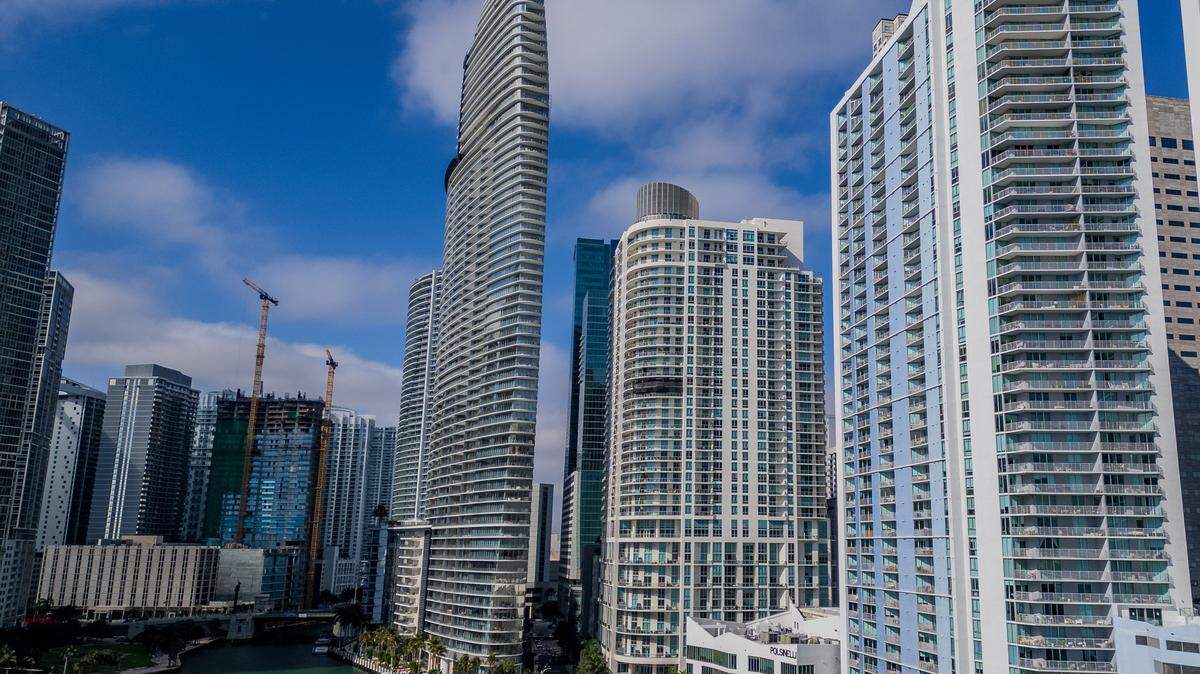
South Florida’s luxury real estate market is crowded and experiencing a slowdown.
With a cooler luxury market that’s tipped in favor of buyers, 2026 might be a good time to score a deal, said Zack Simkins, a managing director at Vaster, a private lending firm that offers bridge loans for luxury real estate buyers and developers.
“Don’t be afraid to be aggressive at the negotiation table,” Simkins said. “Utilize those market factors and ... a slower transactional period to your advantage.”
He added that although the market is slow right now, he thinks it’s within a normal range and not cause for concern heading into the new year.
In this buyers’ market, luxury developers will likely continue jostling to distinguish their projects in 2026.
“Developers nowadays are trying to differentiate their project in any way, shape or form they can,” said developer Eduardo Otaola, a principal at the Constellation Group investment firm. “They’re bringing on different brands, bringing on restaurants, bringing on designers.”
Luxury oversupply bolsters buyers’ market
In South Florida, luxury real estate development is outpacing demand, particularly when it comes to condos. That’s because developers buy expensive land, and to turn a profit on that project, they have to aim for a luxury price point, said Peter Zalewski, a South Florida condo expert and the broker-owner of the Condo Vultures consultancy firm.
Zalewksi also thinks the luxury market is experiencing a correction following what he calls “the FOMO days” during the pandemic. Back then, demand for luxury condos was red-hot as remote workers moved to Miami in droves. Now, demand has cooled, but there’s still a large — and growing — supply of luxury units. Zalewski is expecting a major condo sell-off and plummeting prices, and not just in the beleaguered older buildings that have been hit with soaring fees following recent condo laws.
“There’s nothing really backstopping or providing a support for the luxury market,” Zalewski said.
The oversupply is also because everyone — including developers, contractors, accountants and brokers — wants to be a part of deals at a luxury price point, Simkins said. He added that as a lender, Vaster often sees “inexperienced” developers who want to jump right into the luxury market.
Savvy buyers look for sure bets
Developer Fernando de Nuñez y Lugones, the CEO and founder of Vertical Developments, said he’s seen buyers in the luxury market become savvier and more discerning in recent years. He said those buyers are shying away from riskier purchases.
“After a very volatile 2025, I feel that people that are really looking for this more conservative approach,” he said.
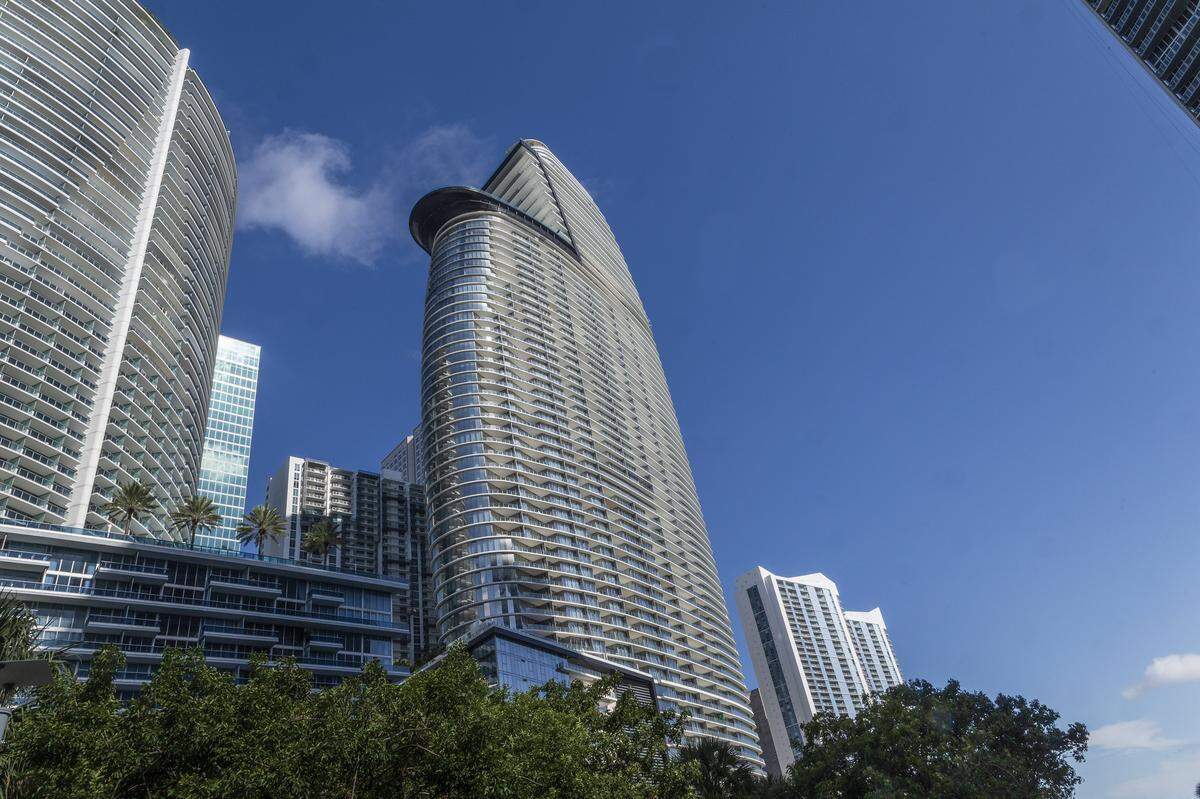
Isaac Toledano, the co-founder of the development firm BH Group, said he’s seen a lot of interest in luxury branded residences, including projects with the backing of hotel chains or other well-known brands, like Miami’s Aston Martin Residences. De Nuñez y Lugones said he thinks those buildings are good options for wary buyers.
“It becomes like a trust signal to the buyers,” de Nuñez y Lugones said. “They are relying on the brand, that they have done their due diligence.”
He added that especially with international buyers, having a brand attached helps differentiate a project.
High-end amenities, boutique projects
In order to stand out in this crowded market, some developers have chosen to go all-in on luxurious amenities in their buildings. Otaola said he thinks that will be the future of luxury real estate in Miami.
One of Constellation Group’s current projects, Cora Merrick Park in Coral Gables, is focused on wellness and what Otaola calls “biohacking” amenities. Amenities at Cora will include red light therapy, a sauna and cold plunge pool, a yoga terrace and padel courts. Otaola said they are seeking certification from the International WELL Building Institute, which provides criteria to evaluate buildings’ claims that they promote health and wellness. Construction on the project is set to begin in early 2026.
“We’re seeing the trend of wellness as the future of real estate,” Otaola said. “Wellness went from being nice-to-have features in buildings to now a value driver.”
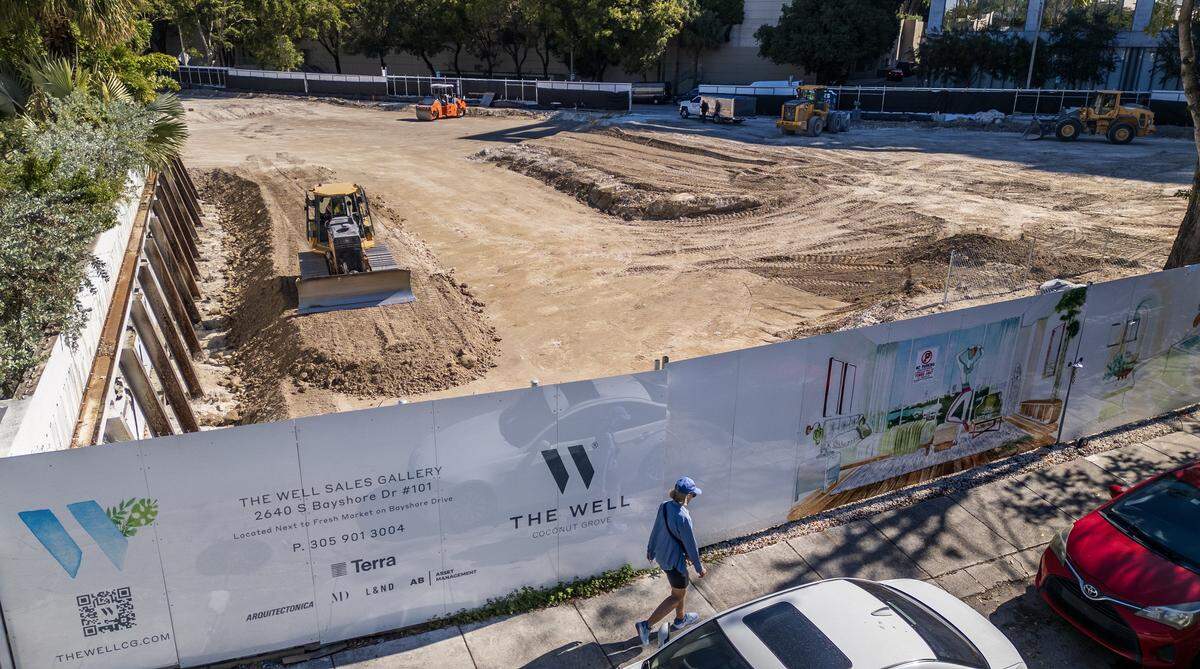
Two other projects looking to offer curated wellness amenities are THE WELL Coconut Grove and THE WELL Bay Harbor Islands, South Florida outposts of THE WELL, a group of wellness-focused residential projects in the U.S. and Latin America.
At 74 units, Cora is a relatively small development, Otaola said. He said he expects boutique-style residential developments to become more popular going forward. He said working on that scale allowed his team to have more attention to detail in their luxury amenities.
De Nuñez y Lugones is optimistic about what he calls “highly-amenitized boutique condos,” especially considering how much supply already exists in the luxury condo market. His firm has worked on smaller-scale projects with less than 40 units.
Zalewski is not so optimistic about amenities as value drivers. Those amenities can lead to higher maintenance costs, which can turn off investors and spell disaster for residential projects, he said.
This story was originally published December 29, 2025 at 4:32 PM.